
2 Minutes
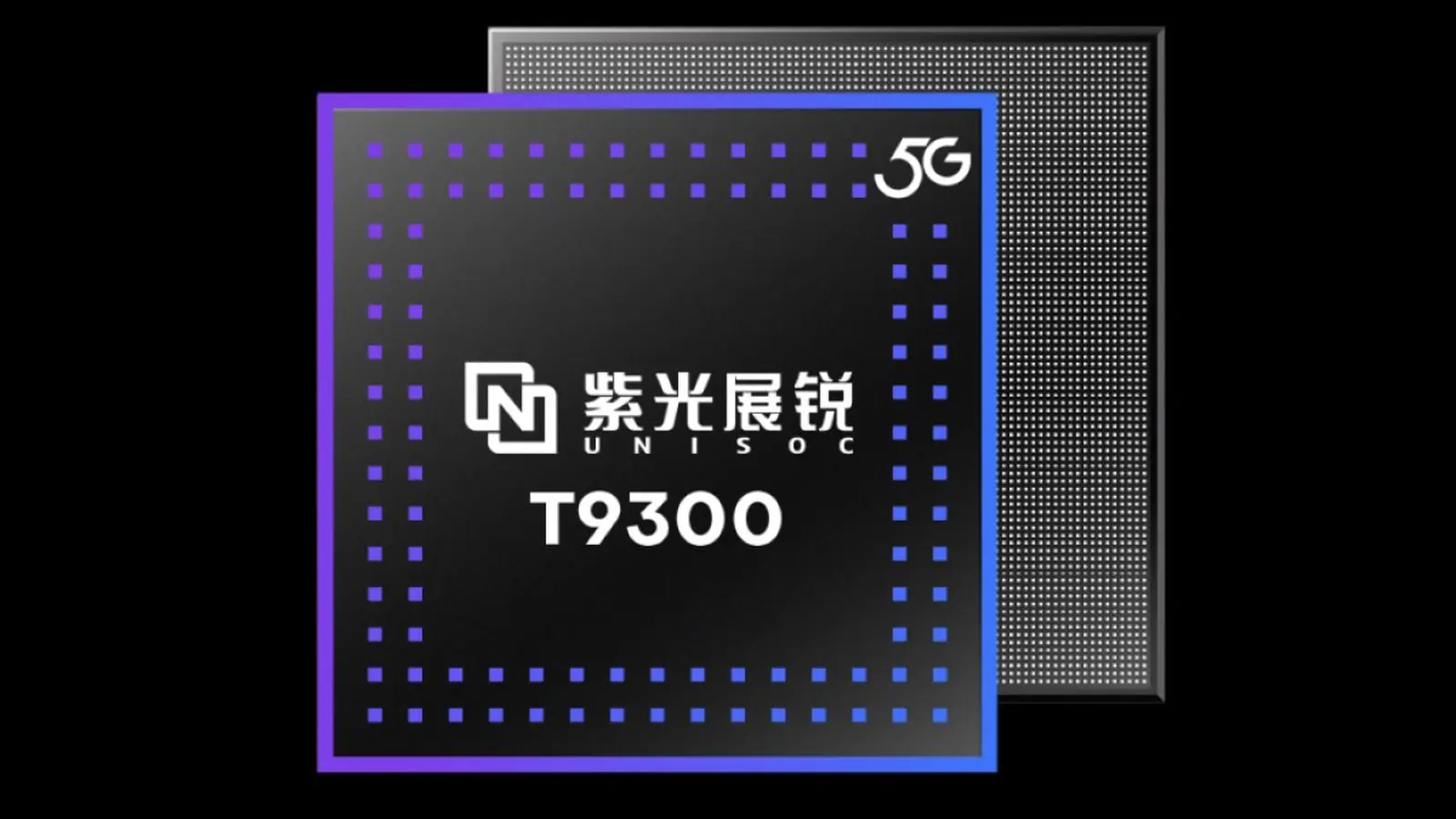
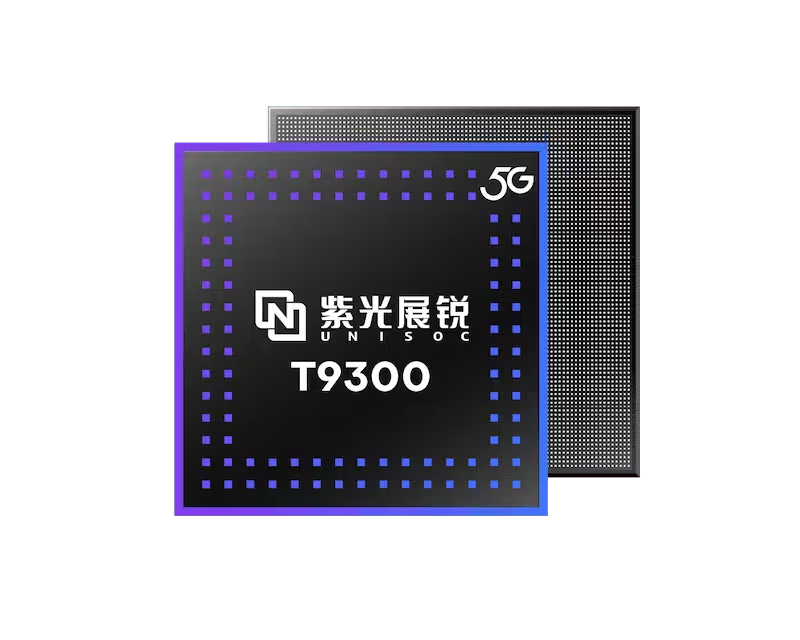
Unisoc quietly introduced the T9300, a 5G system-on-chip (SoC) designed to bring stronger imaging, smoother gaming, and richer multimedia features to affordable smartphones. Built on a 6nm process, the T9300 packs mid-range power and modern connectivity into devices that used to lack these capabilities.
High-end specs for entry-level handsets
At the core of the T9300 is an octa-core CPU with two Cortex-A78 cores clocked at 2.4GHz and six Cortex-A55 cores at 2.2GHz, paired with a dual-core Mali-G57 GPU. Unisoc says the chip delivers about 38% better energy efficiency than its predecessor. Memory and storage support include LPDDR4X and UFS 2.2, while benchmark estimates place Antutu V10 scores near 550,000—putting it comfortably into competitive performance for budget and lower-midrange phones.
Camera tech: Vivimagic 7 ISP brings smart imaging
Imaging is a major focus. The T9300 integrates Unisoc’s seventh-generation Vivimagic image engine with a quad-core ISP capable of supporting sensors up to 200MP. It can output 32MP ZSL at 25fps and handle dual-camera setups such as 20MP+20MP. Expect advanced multi-frame and temporal noise reduction, smarter 3A (auto-exposure/white balance/focus) algorithms, AI-driven night mode, improved HDR processing, and finer portrait rendering.
Practical camera benefits
- Support for very high-resolution sensors (up to 200MP).
- Zero-shutter-lag 32MP output at 25fps for faster captures.
- Better low-light and HDR results thanks to multi-frame and AI algorithms.
Connectivity: modern 5G with satellite and broadcast support
The T9300 upgrades connectivity beyond basic 5G. It supports 3GPP Release 17 features, 5G NR NTN satellite connectivity, and 5G MBS broadcast services. Network-side intelligence helps reduce 5G power draw, and the SoC handles both SA and NSA modes, VoNR, VoWiFi, and full backward compatibility with 2G–5G networks—ensuring broader coverage and better voice/data reliability.
Gaming, audio and display: more than just raw power
On the multimedia side, Unisoc pushes gaming optimizations with its Miracle Gaming engine. The platform emphasizes frame-rate stability, network optimization, and visual processing tweaks powered by AI—plus clearer in-game voice chat on poor connections. Audio capabilities include advanced noise reduction, improved stereo playback, and HiFi output via a dedicated DSP. Display support covers +FHD panels at up to 144Hz, 1.5K at 90Hz, HDR10+, Netflix certification, variable refresh, and multiple eye-protection modes.
In short, the T9300 attempts to close the gap between budget and midrange phones by offering stronger camera processing, modern 5G features, and gaming-focused enhancements—all on an energy-efficient 6nm platform. For manufacturers targeting value-conscious buyers, this SoC could be the trick to packing premium-seeming features into more affordable devices.







Leave a Comment
Comments
No comments yet. Be the first.