
3 Minutes
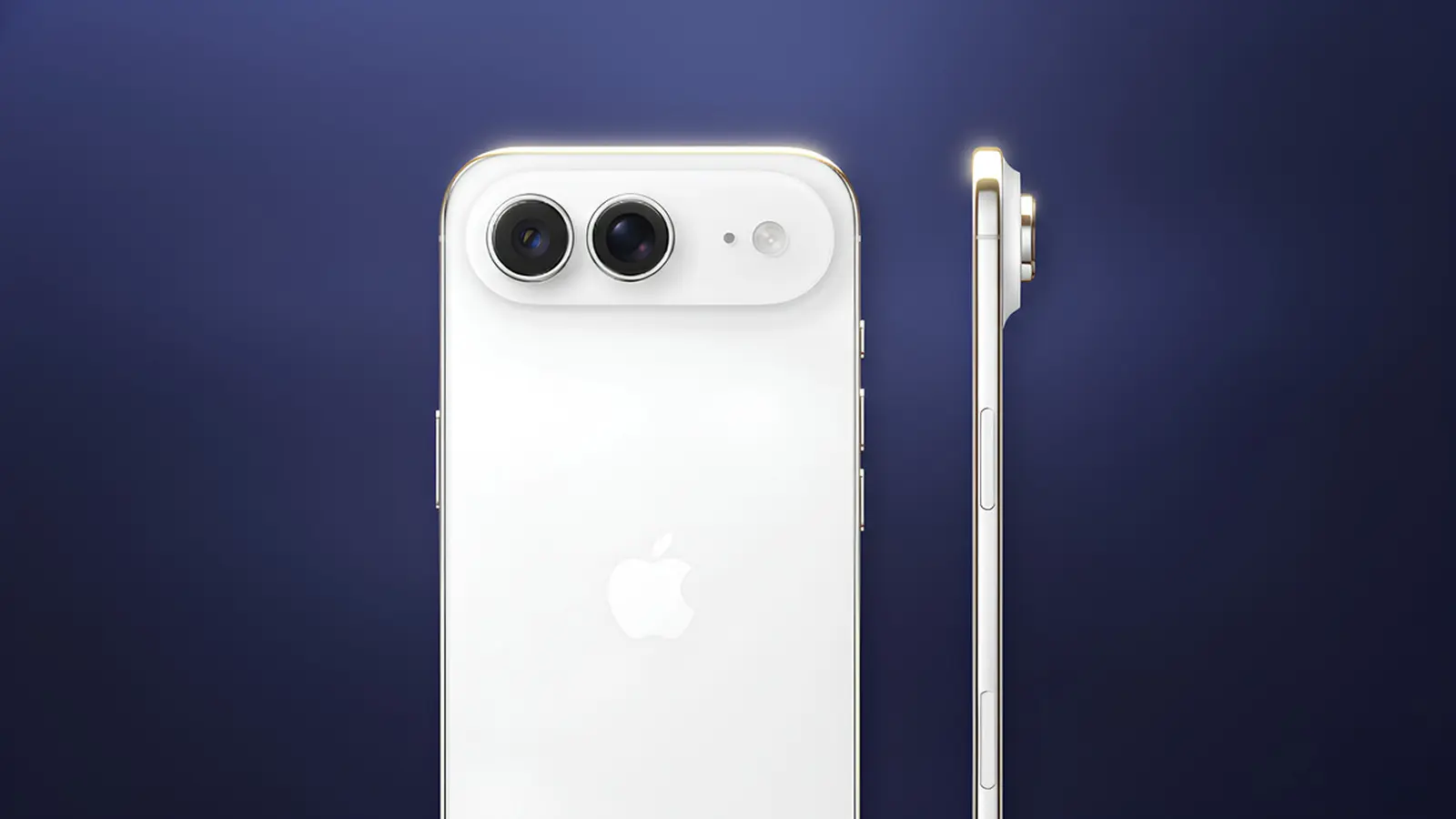
Apple has pushed the iPhone Air 2 into spring 2027 as it fine-tunes hardware and prepares a next-generation 2nm chip. The move is part delay, part strategic reshuffle as the company tests components that could feed into a future foldable iPhone.
Why the shift to spring 2027?
Conflicting coverage surfaced recently: The Information initially reported an indefinite delay after tepid sales of the first iPhone Air, while Bloomberg’s Mark Gurman later clarified Apple has actually postponed the launch by about six months. Gurman’s reporting frames the delay as planned refinement rather than a sudden cancellation.
Apple never intended the Air line to follow the typical annual iPhone cadence. That’s partly why the current model wasn’t labeled “iPhone 17 Air” — the Air series is designed to explore ultra-thin design choices and new components outside the standard Pro/regular rhythm.
What’s new in the iPhone Air 2?
Don’t expect a dramatic exterior overhaul. Instead, Apple is prioritizing incremental, practical upgrades with a clear focus: battery life and efficiency. The headline feature is Apple’s first 2-nanometer chip, which should deliver notable improvements in power efficiency and thermal performance.
.avif)
- 2nm chip: better battery life and energy efficiency
- Possible addition: a second rear camera for ultrawide shots
- No major visual redesign; refinements under the hood
In short: a slimmer, smarter internal refresh rather than a radically different phone. That’s meaningful for users who value endurance and sustained performance over flashy new looks.
Air as a laboratory for Apple’s foldable ambitions
Internally, Apple is using the Air lineup to trial materials, structural choices, and supply-chain processes that could support a future foldable iPhone. The Air and Apple’s foldable prototypes share several design and manufacturing similarities, making the Air a low-risk testbed for concepts Apple may scale up later.
Imagine the Air as a stepping stone: the company tightens tolerances, validates suppliers, and learns what works before committing to the more complex engineering of a folding display.
Sales, positioning, and marketing reality
Apple initially expected the Air to capture roughly 6–8% of new iPhone sales, a share similar to the iPhone 16 Plus. Despite a prominent September keynote appearance, consumer interest didn’t translate into broad adoption. The Air appealed to a narrow segment—think users who liked the mini’s footprint but wanted more screen—yet it fell short in battery endurance, thermal handling, and camera performance compared with higher-end models.
Priced about $100 below the iPhone 17 Pro, the Air offered value on paper but lagged in a few key areas that matter to mainstream buyers. As a result, Apple looks to tweak rather than overhaul: improve efficiency, test a camera upgrade, and use the lineup to ready components for future foldable devices.
For readers tracking Apple’s hardware roadmap, the Air 2 delay signals patience. Apple is trading a faster release for a more deliberate, component-driven approach—and that may pay off when learnings feed into the company’s next big form factor.






Leave a Comment
Comments
No comments yet. Be the first.