
3 Minutes
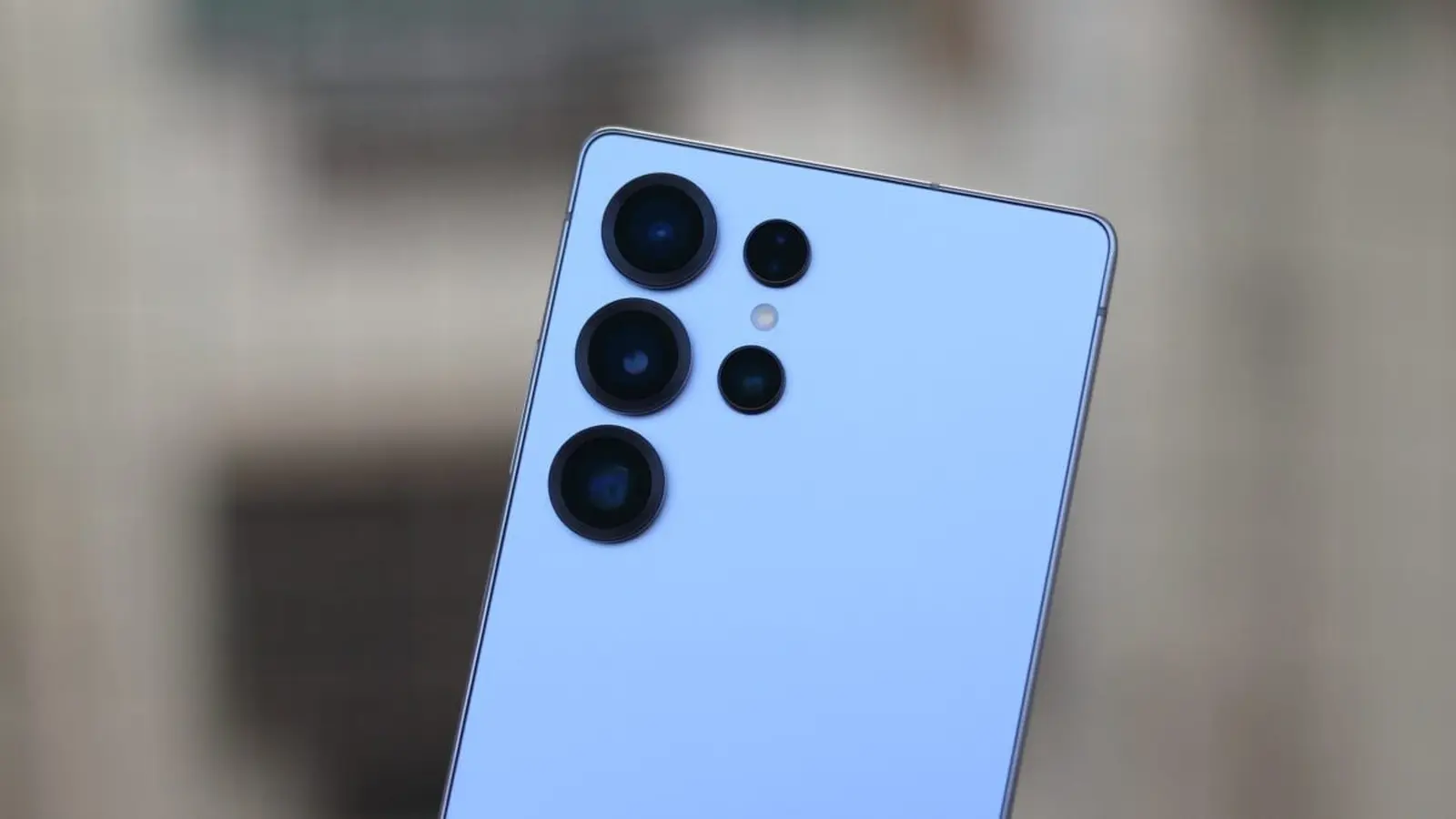
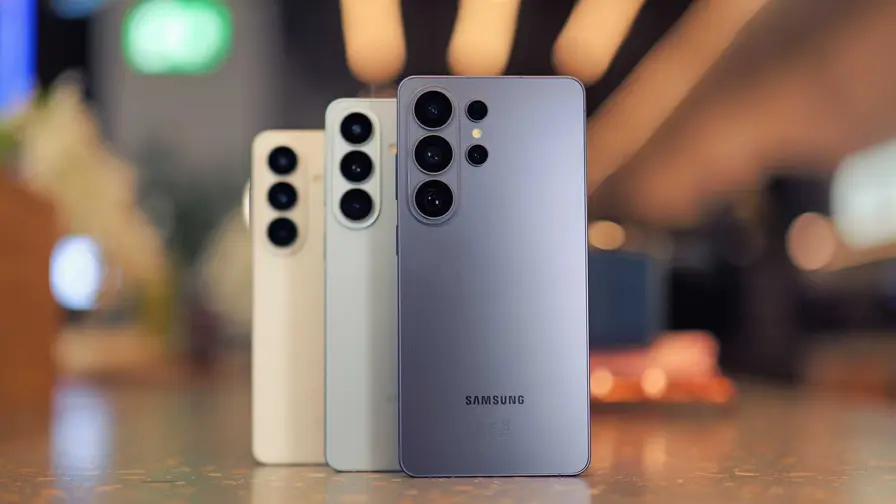
Samsung’s Galaxy S26 Ultra is shaping up to be a low-light photography upgrade rather than a radical redesign. A fresh leak points to a wider-aperture primary camera and a handful of imaging refinements that could make night shots noticeably better.
Bigger aperture, brighter night shots
Tipster UniverseIce shared what appears to be file metadata captured on the Galaxy S26 Ultra’s main camera, suggesting Samsung is moving to a 200MP primary sensor with an F1.4 aperture. That wider aperture would let more light hit the sensor compared with the Galaxy S25 Ultra, improving performance in dim scenes and helping reduce noise without relying solely on software tricks.

What’s inside the camera stack
Under the hood the phone reportedly still uses Samsung’s ISOCELL HP2 sensor, but tuned for better low-light capture. Key points from the leak:
- 200MP ISOCELL HP2 primary sensor (1/1.3-inch) with F1.4 aperture and Super QPD for phase-detect autofocus
- 0.6μm native pixel size with pixel binning options (12.5MP, 50MP, 200MP outputs)
- Support for 10-bit and 12-bit RAW captures
- Image tech like Dual Slope Gain (DSG) and Smart ISO Pro (iDCG) for wider dynamic range
- OIS (optical image stabilization) paired with improved autofocus
The full rear setup — more than just a big sensor
The leak lists a four-camera rear array that balances zoom and wide-angle capability while leaning into higher-resolution ultrawide and super-telephoto modules:
- Primary: 200MP ISOCELL HP2, 1/1.3-inch, F1.4, OIS, Super QPD (phase-detect)
- Ultrawide: 50MP with F1.9 and autofocus
- Telephoto: 10MP or 12MP at F2.4, 3x optical zoom with OIS and AF
- Super Telephoto: 50MP, F2.9, 5x optical zoom with OIS and AF
That combination suggests Samsung continues to favor high-resolution modules plus optical stabilization and autofocus on every lens — a setup aimed at delivering flexible framing and cleaner crops for social sharing or editorial use.
Video, front camera, and processing gains
The S26 lineup is expected to retain the 12MP front-facing camera used on the S25 series, but a larger camera cutout could mean improved selfie and video capture. On the processing side, flagship SoCs — either the Exynos 2600 or Snapdragon 8 Elite Gen 5 depending on region — will likely improve noise reduction, HDR processing, and encode/decode performance.
Samsung may also add support for APV (Advanced Professional Video) codec across the series, enabling higher-quality video capture and easier post-processing. Expect better EIS (electronic image stabilization) and lower overall noise thanks to both hardware and software refinements.
Imagine shooting a dimly lit concert or a candlelit dinner and getting cleaner, more detailed images straight out of the phone — that’s the kind of improvement a wider aperture and upgraded processing pipeline can deliver.








Leave a Comment
Comments
No comments yet. Be the first.