
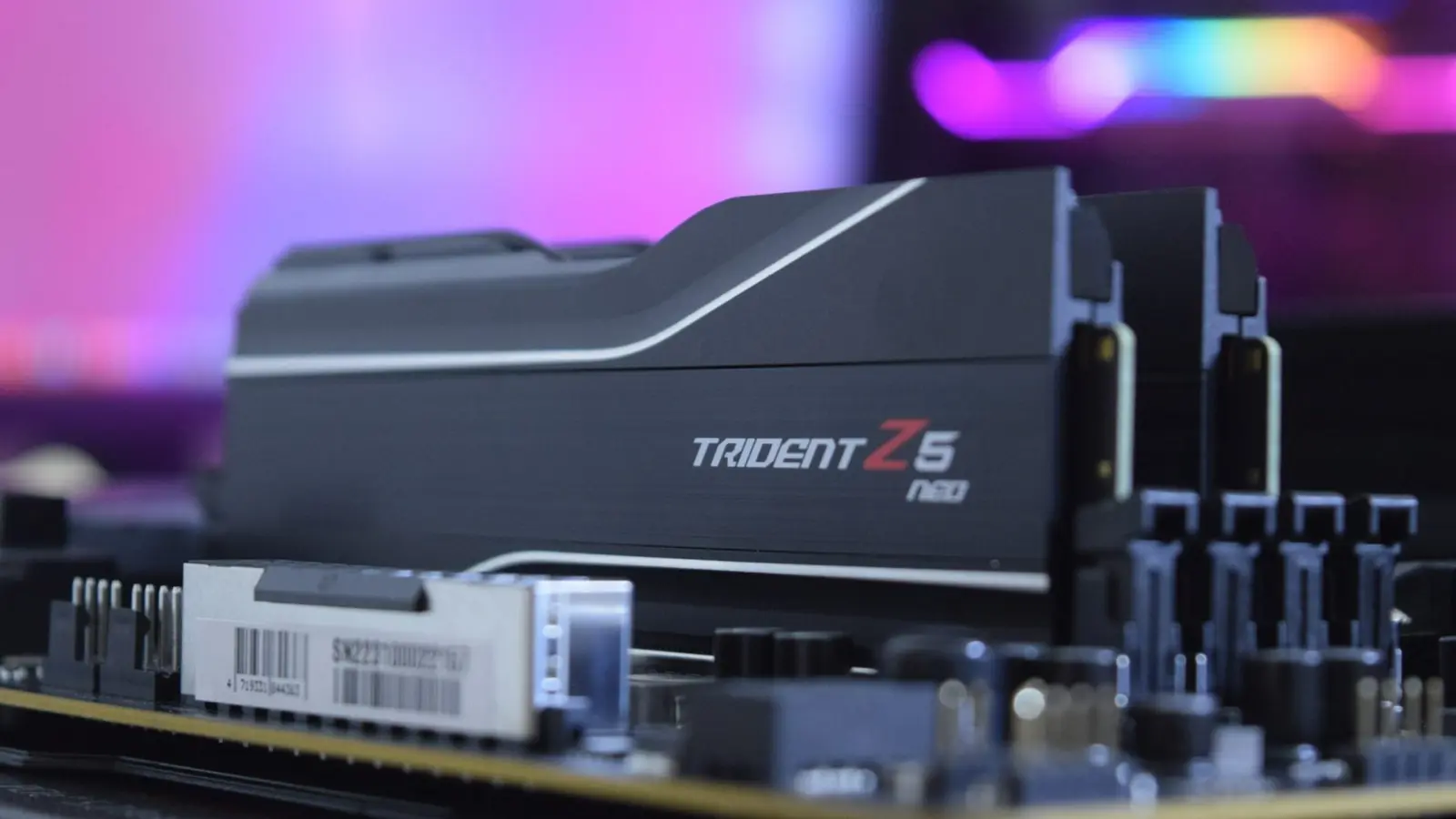
Memory shortages are reshaping how PC components are sold. Recent reports claim distributors are bundling motherboards with every RAM module purchase — a move that’s frustrating buyers and reshuffling margins across the supply chain.
When RAM Comes With a Catch: The new bundling trend
According to a report by the Taiwan Economic Daily, some Taiwanese distributors have begun requiring customers to buy a compatible motherboard whenever they purchase DDR5 memory modules. That means shoppers who just want a single stick of RAM could be nudged — or even forced — into buying a full motherboard bundle instead.
It’s not the first time retailers have paired scarce parts to protect inventory or boost margins. We saw similar combos with high-demand CPUs in recent cycles, but tying memory to motherboards is particularly disruptive because RAM is a common, stand-alone upgrade for gamers and PC hobbyists.
Why distributors might be doing this
There are a few business reasons behind the tactic. First, DDR5 supply is tight and prices have spiked in recent weeks. Bundling helps distributors clear stock of motherboards that may be tied to specific chipset launches or older inventory they want to move. Second, it’s a way to increase average order value — selling a motherboard alongside a RAM stick pads margins when raw memory prices are volatile.
How chipset shifts amplify the problem
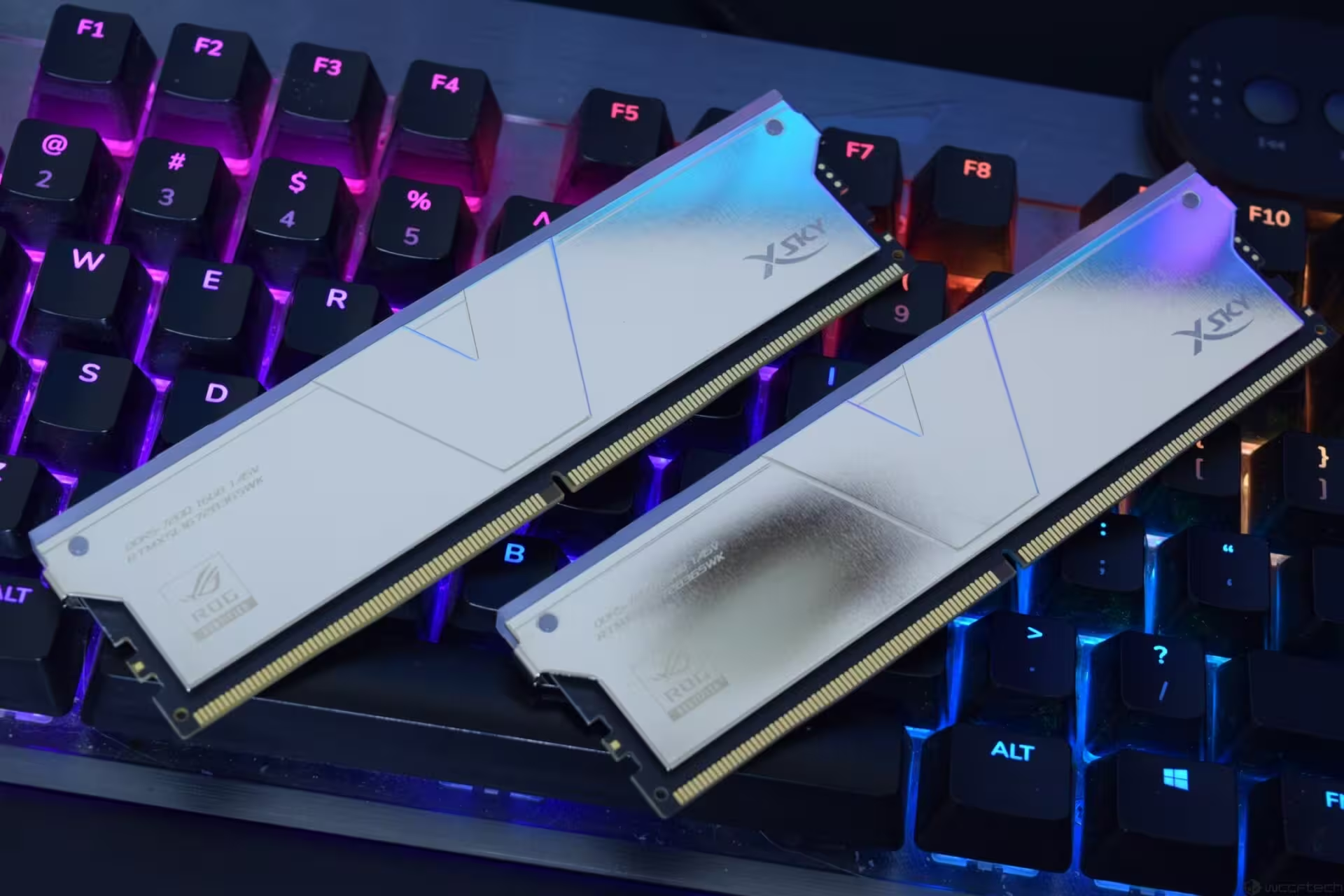
New CPU generations often introduce fresh chipset lineups, creating compatibility windows and inventory mismatches. Distributors facing excess motherboard stock or anticipating shifting demand can use RAM sales as leverage to balance warehouses. The result: consumers who only need memory might end up buying parts they don’t want.
What this means for buyers and gamers
If you were planning a simple memory upgrade, this trend complicates things. For gamers and builders on a budget, being forced into a motherboard purchase raises costs and increases wait times for upgrades. Panic buying by retailers and consumers alike has already pushed memory prices higher, and bundling could make upgrades even less predictable.
- Expect regional variance: the practice is currently reported in Taiwan but could spread if vendors see margin benefits.
- Brands may push bundles: major vendors like ASUS and MSI could adopt similar strategies to move inventory.
- Shop around: independent retailers or direct channels might still sell RAM separately.
Practical tips for shoppers
Don’t panic-buy. If you need memory now, compare multiple retailers and check manufacturer stores. Consider waiting if prices are inflated or if you can postpone the upgrade by a few weeks — memory supply often loosens after short-term spikes. If a seller insists on a bundle, ask for a price break or check return policies to avoid getting stuck with unwanted hardware.
Imagine only needing a single DDR5 stick and being told you must buy a motherboard to get it. That scenario underlines how strained the memory market is right now and how distribution tactics can directly affect everyday consumers.
As memory availability and pricing continue to fluctuate, keep an eye on reputable local sellers and global marketplaces. The best move may be patience — or a carefully researched alternative that avoids unnecessary extras.

Leave a Comment
Comments
No comments yet. Be the first.