
3 Minutes
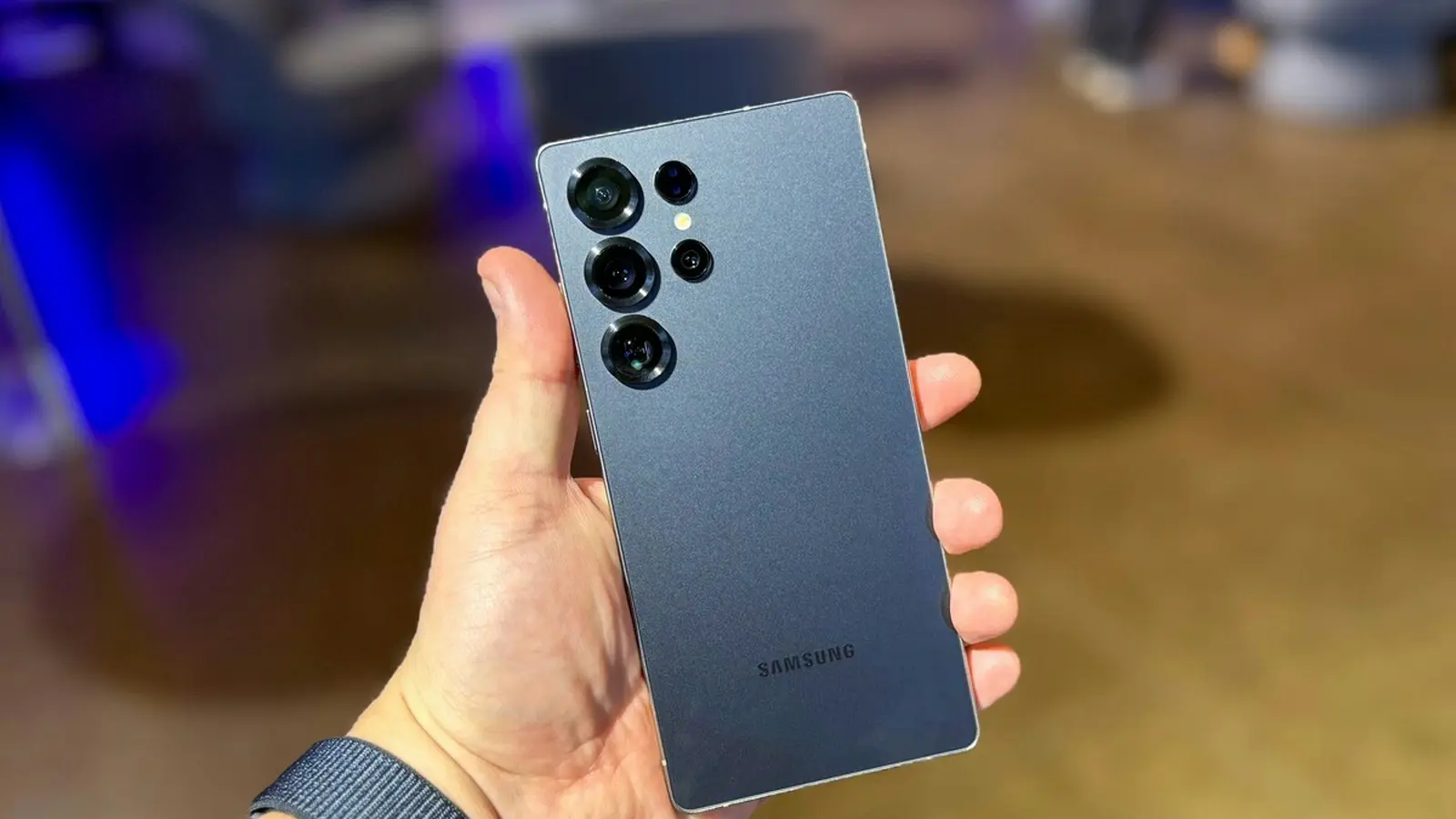
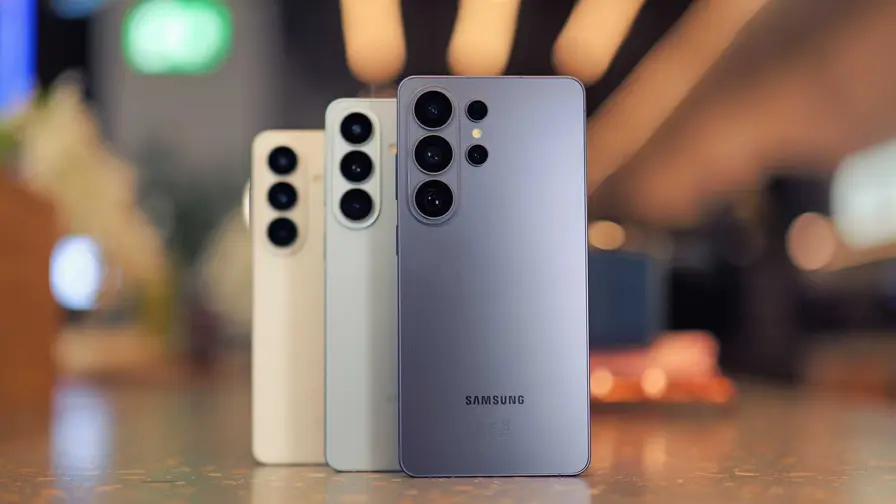
A fresh leak indicates Samsung's Galaxy S26 Ultra will stick with the 200MP ISOCELL HP2 main sensor, but with a meaningful hardware tweak: a wider aperture that promises better low-light shots. Tipster UniverseIce corroborated the spec change and adds context to what could be a notable camera bump.
A wider aperture — more light, cleaner night photos
The S25 Ultra used the same 200MP HP2 sensor with an f/1.7 aperture. According to the leak, the S26 Ultra will open that lens up to f/1.4. That may sound like a small numerical shift, but it lets considerably more light hit the sensor. In practical terms expect improved night and indoor performance, faster shutter speeds in dim scenes, and a shallower depth of field when a portrait-style look is desired.
Pixel-binning remains a flexible advantage
The ISOCELL HP2 supports multi-mode pixel-binning, so the sensor can produce images at 12.5MP, 50MP, or the full 200MP. That flexibility lets the phone balance low-light sensitivity, processing speed, and fine detail depending on the scene and the chosen shooting mode. Want huge detail for cropping? 200MP. Prefer cleaner, brighter night shots? Pixel-binned 12.5MP will be the go-to.
What the rest of the camera array looks like
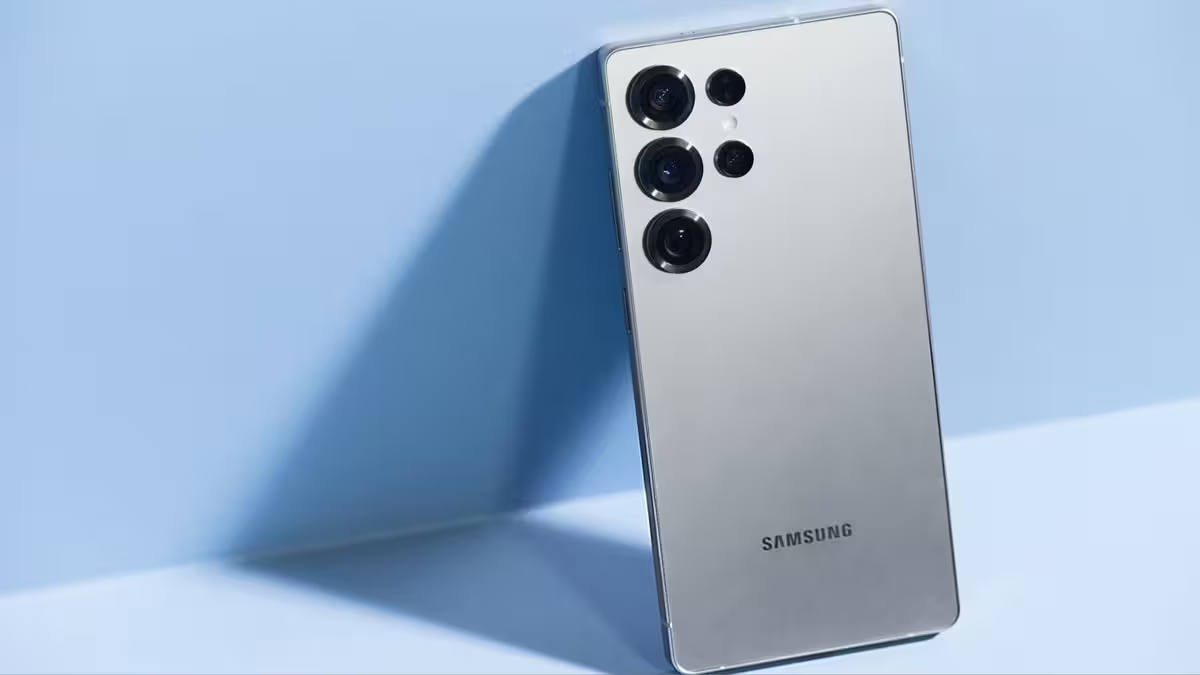
- 50MP ultrawide: Samsung JN3 — wider field and higher resolution for landscapes and group shots.
- 50MP periscope telephoto: Sony IMX854 — long-range zoom with improved detail at distance.
- 12MP telephoto: Samsung S5K3LD — for mid-range zoom and portrait framing.
- 12MP front camera: Sony IMX874 — selfies and video calls at a reliable resolution.
Together these modules point to a camera system that favors high-res versatility: multiple 50MP modules for consistency across focal lengths, a high-resolution main sensor for detail, and a wide aperture to help when light is scarce.
Beyond hardware: what to watch for
Hardware improvements are only part of the story. Computational processing — noise reduction, HDR blending, and AI-driven sharpening — will determine how those extra photons translate into better images. If Samsung pairs the wider f/1.4 aperture with smarter image processing, the S26 Ultra could set a new bar for flagship low-light photography.
For now these details come from leaks and a trusted tipster, so take the specifics with a pinch of caution. Still, the upgrade from f/1.7 to f/1.4 on a 200MP sensor is a clear signal: Samsung is prioritizing real-world photo gains, not just headline megapixel counts. When Samsung confirms official specs, we’ll get the full picture — including sample images and software features that make those specs matter.








Leave a Comment
Comments
No comments yet. Be the first.