
3 Minutes
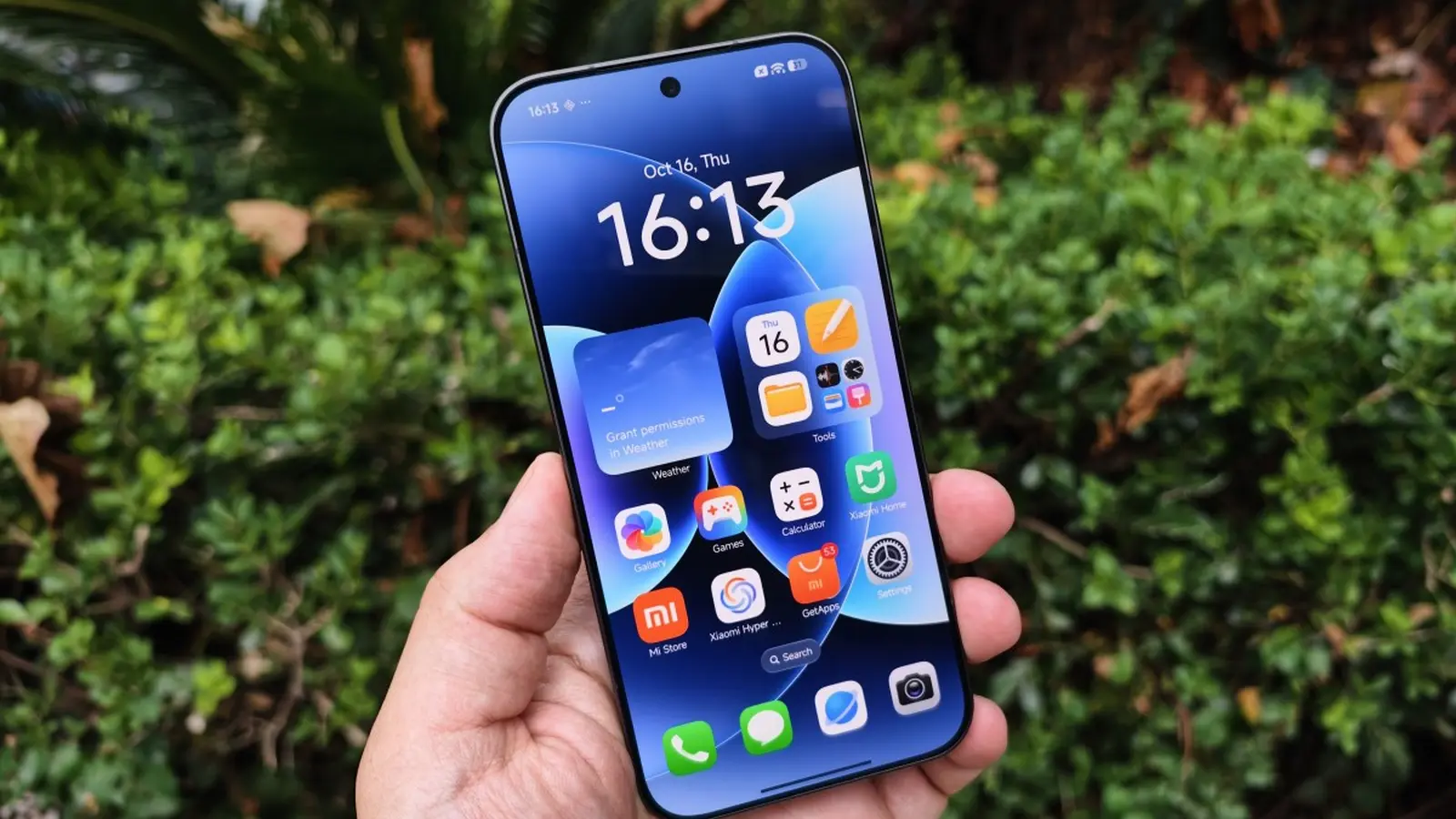
Xiaomi's leadership has sounded an early warning for shoppers and the smartphone industry: rising memory chip costs driven by AI data center demand could push device prices higher next year. The company’s quarterly results and executive commentary paint a picture of supply-side pressure that may affect every tier of the market.
Why memory shortages are spilling into phone prices
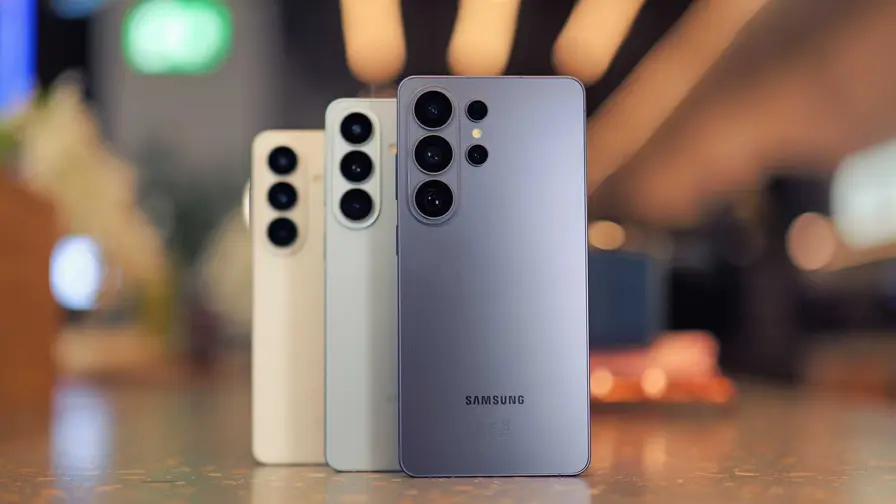
Memory makers are reallocating capacity to where margins are highest — large AI-focused data centers. That shift reduces the availability of DRAM and NAND components for mobile phones. As demand for AI servers surges, manufacturers such as Samsung have been prioritizing memory for enterprise customers, leaving handset makers competing for a smaller pool of parts.
Lu Weibing, President of Xiaomi, told investors and the media that this rebalancing is already starting to bite. He said, "I expect pressure to be much heavier next year than this year," and warned that retail prices will likely rise as manufacturers and brands attempt to pass on part of the cost. However, he added that straightforward price hikes alone may not be sufficient to absorb the full shock.
What this could mean for consumers and the market
If Lu's forecast proves accurate, 2026 could see the persistent upward trend in smartphone pricing continue — across flagships and mid-range devices alike. That doesn't necessarily mean every model will jump by the same amount. Premium phones with larger memory configurations and cutting-edge components will likely be hit hardest, while entry-level models may face smaller increases or different trade-offs (like reduced storage options).
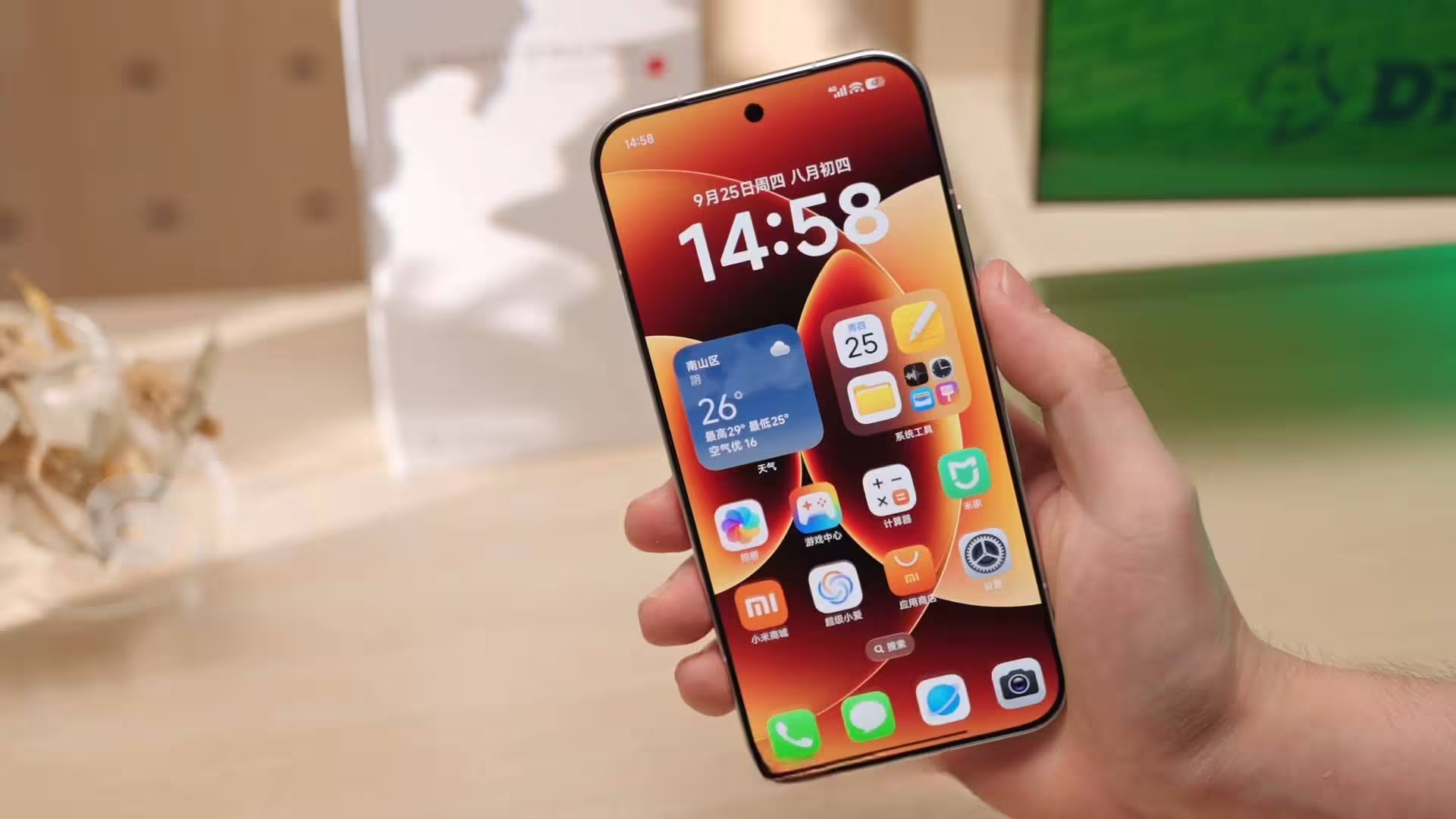
For example, flagship models such as Xiaomi’s own high-end offerings could see steeper retail increases because they use more high-density memory. Consumers may be nudged toward older models, refurbished phones, or devices with fewer onboard gigabytes as brands and carriers try to remain competitive.
How brands might respond — and what buyers can do
- Price adjustments: Manufacturers may raise MSRPs selectively, especially on high-memory SKUs.
- Component trade-offs: Some phones could ship with slightly lower-spec memory or fewer preinstalled apps to keep costs down.
- Promotions and bundles: Carriers and retailers might lean more heavily on subsidies, bundles, and trade-in deals to preserve volume.
As a buyer, consider these simple tactics: buy earlier in the product cycle if you want a current-model price, evaluate storage needs carefully, and watch for trade-in offers that offset cost increases. If you're not chasing the newest hardware, high-quality refurbished phones can offer good value.
Why the AI boom matters beyond hype
It’s tempting to reduce this to "AI is hot, memory is expensive," but the dynamics are more structural. Data center demand is reshaping manufacturing allocations, investment decisions, and long-term supply roadmaps. That ripple effect reaches smartphones because memory is one of the heaviest cost inputs that scales with performance and capacity.
Imagine a factory line that makes both server and phone memory: when server orders spike and bring far better margins, companies naturally shift production. That helps explain why the phone market — though massive in volume — can be squeezed when higher-margin server demand surges.
Whether prices will actually rise across the board depends on several variables: how memory makers expand capacity, how quickly data center demand stabilizes, and whether alternative suppliers step in. For now, Xiaomi’s warning is a clear sign that the industry is bracing for more expensive components in 2026.






Leave a Comment
Comments
No comments yet. Be the first.