
3 Minutes
Poco expanded its tablet lineup today alongside the global launch of the Poco F8 series in Bali. The company introduced two new slates — the Poco Pad X1 and the Pad M1 — that target performance-minded users and media consumers with high-refresh displays, large batteries and competitive pricing.
Display and design: sharp screens, lightweight builds
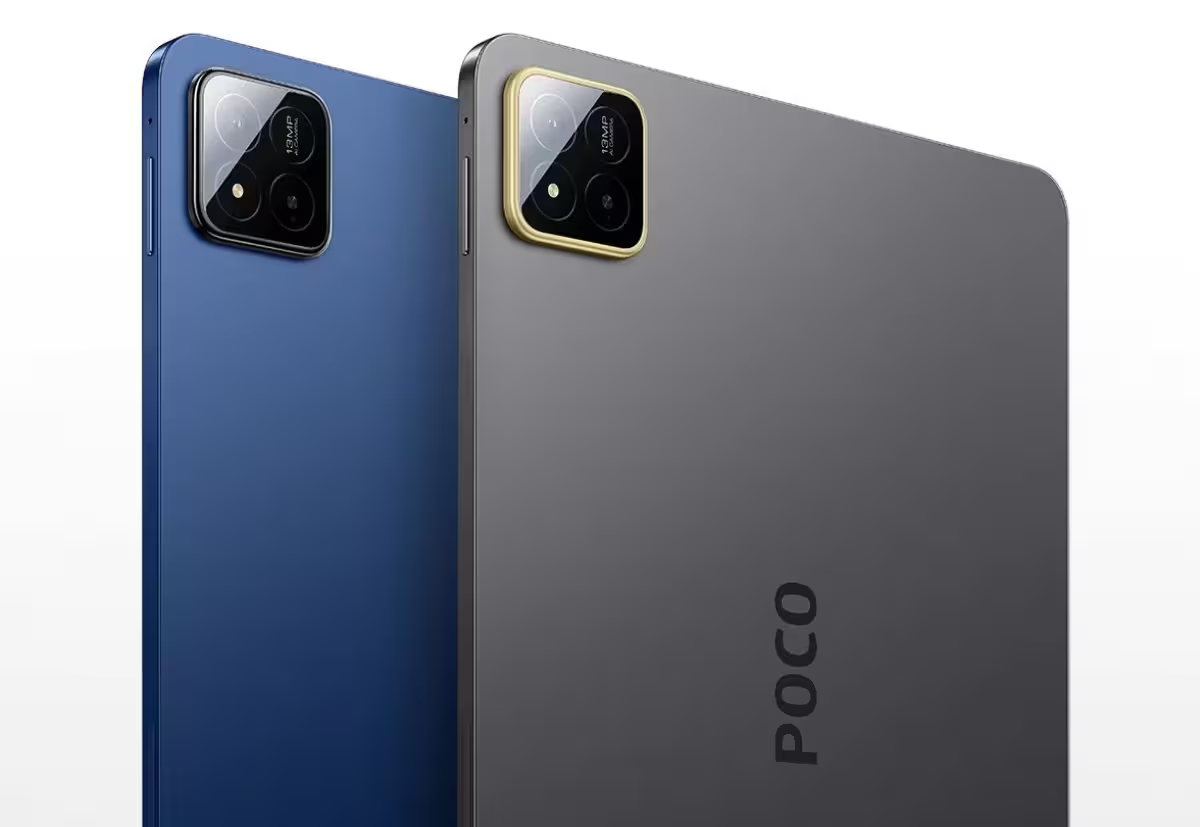
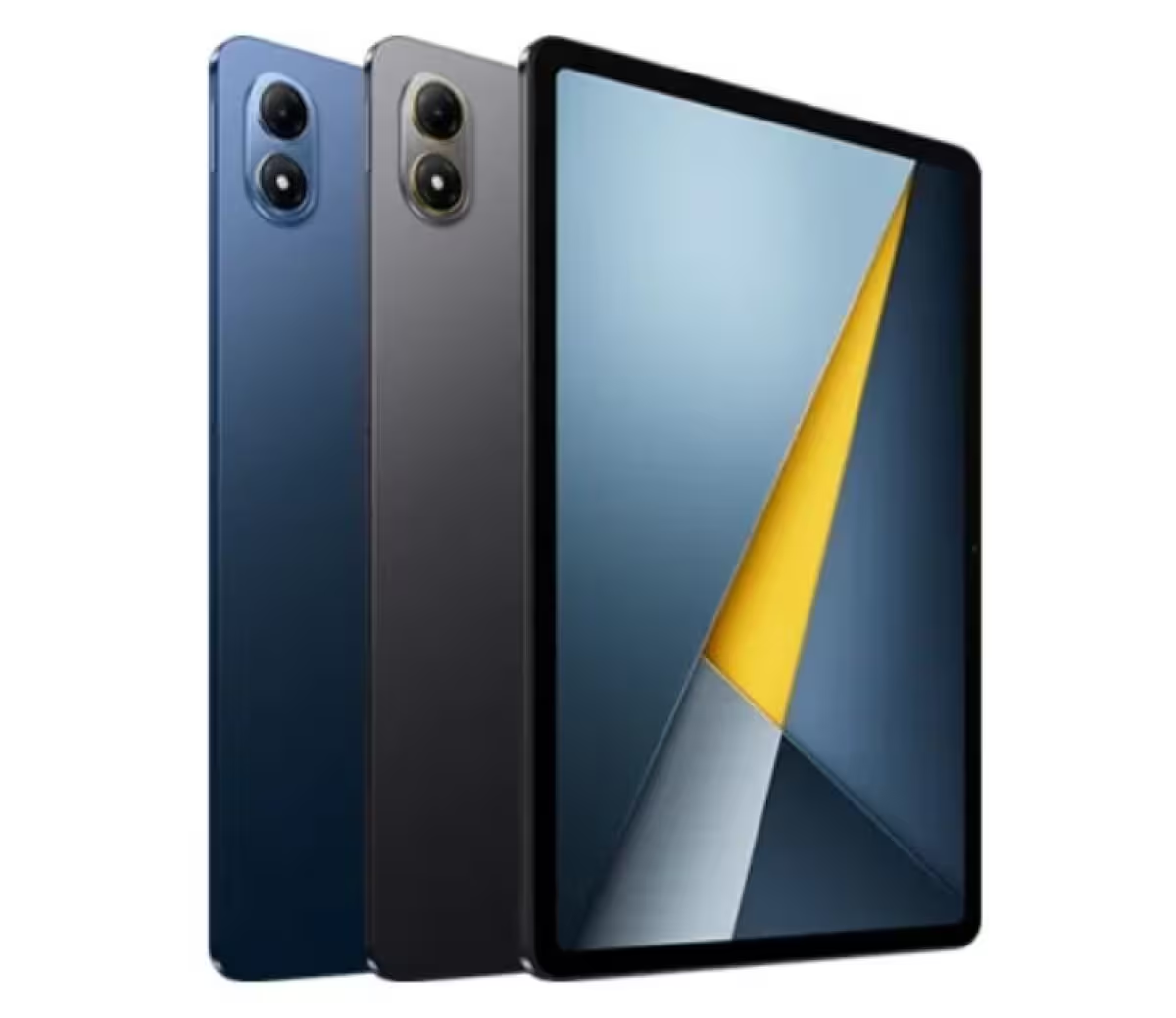
The Pad X1 packs an 11.2-inch LCD with a 144Hz refresh rate, 3.2K resolution and up to 800 nits peak brightness. It also supports HDR10, Dolby Vision and a Sunlight mode for outdoor viewing. Poco says the tablet uses an all-metal unibody and comes in Blue and Grey finishes. At just 6.18mm thick and 500g, it’s one of the thinner, lighter tablets in its class.

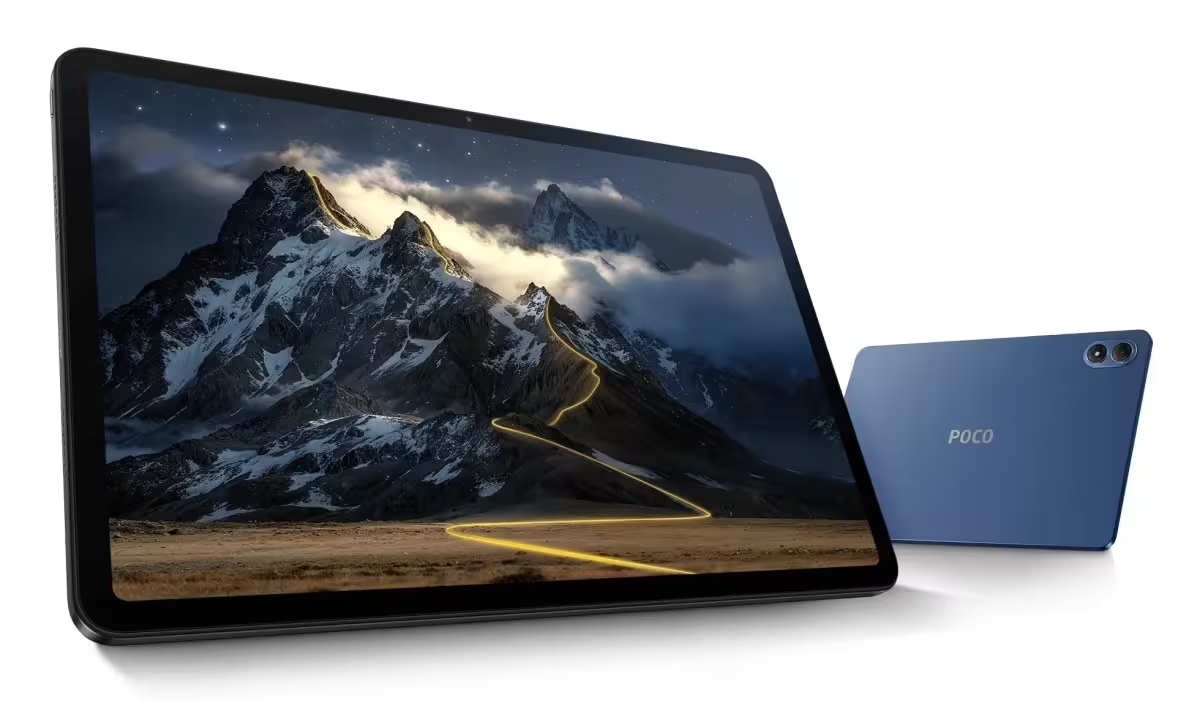
The Pad M1 aims for a larger-screen crowd with a 12.1-inch LCD panel that runs at 120Hz and 2.5K resolution. Peak high-brightness mode (HBM) reaches about 600 nits, and the panel supports Dolby Vision and the same Sunlight mode. The M1 is slightly thicker and heavier — 7.5mm and 610g — but still remains portable for media and productivity use.
Performance and software: Snapdragon chips and HyperOS 2
Poco positioned the two tablets around different chipsets. The Pad X1 is powered by the Snapdragon 7+ Gen 3 paired with 8GB of LPDDR5X RAM and 512GB of UFS 4.0 storage, providing a strong blend of speed and efficiency for gaming and multitasking. The Pad M1 runs on the Snapdragon 7s Gen 4 with 8GB RAM and 256GB UFS 2.2 storage, and it also offers a microSD slot for storage expansion.
Both tablets run Xiaomi’s HyperOS 2 with a set of AI features and include modern connectivity: the X1 supports Wi‑Fi 6E while the M1 ships with Wi‑Fi 6. Bluetooth 5.4 is standard across the pair.
Audio, cameras and battery life: long runtimes and Dolby Atmos
Poco didn’t skimp on multimedia: both models offer quad speakers tuned with Dolby Atmos for a wider soundstage. The Pad X1 includes a 13MP rear camera and an 8MP front sensor; the Pad M1 has 8MP cameras front and back. The X1 is fitted with an 8,850mAh battery and 45W fast charging, while the M1 packs a larger 12,000mAh cell with 33W charging support — trade-offs between weight, size and runtime depending on which device you choose.
Extras that matter
- Pad X1: IR blaster for remote control functionality.
- Pad M1: microSD slot for expandable storage.
- Both: Dolby Vision support, Sunlight mode, HyperOS 2 AI features.
Pricing, availability and accessories
Poco launched early-bird pricing for both tablets. The Pad X1 is available in a single 8GB/512GB trim at an introductory $349 (later rising to $399). The Pad M1’s 8GB/256GB model is priced at $279 during the promotion, moving up to $329 once the offer ends.
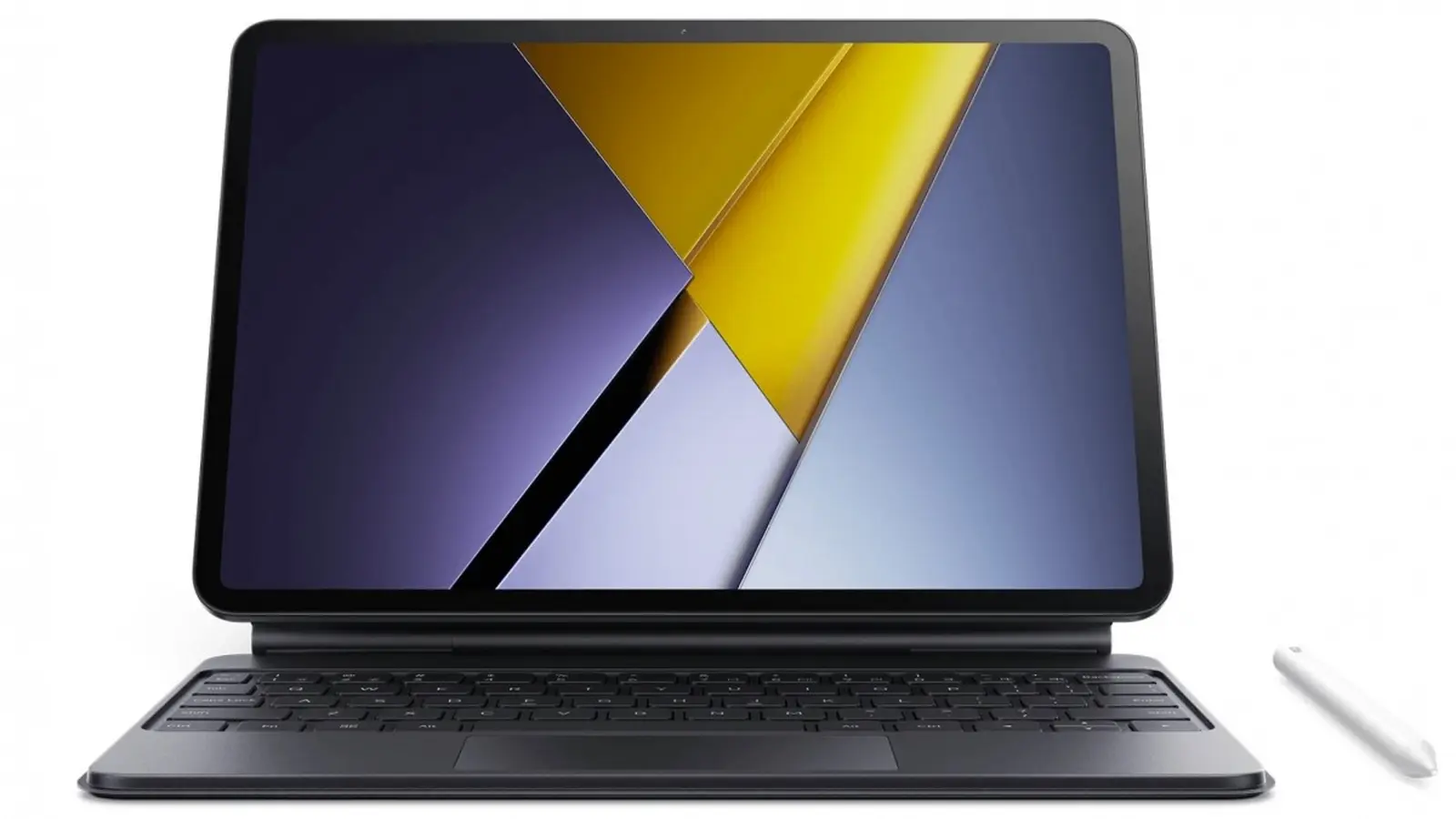
Accessories include a new Floating Keyboard for the Pad X1 priced at $199, plus covers, a standard keyboard option and the Poco Focus Pen compatible with both tablets. These add-ons aim to convert the devices into more capable workhorses for note-taking and light productivity.
Who should consider these tablets?
If you want a compact, high-refresh tablet with faster storage and slightly stronger single-core performance for games and apps, the Pad X1 is the pick. If you prefer a bigger display and longer battery life with expandable storage for media-heavy use, the Pad M1 makes more sense. Either way, Poco’s new tablets bring premium display features and competitive specs at accessible prices.






Leave a Comment
Comments
No comments yet. Be the first.