
3 Minutes
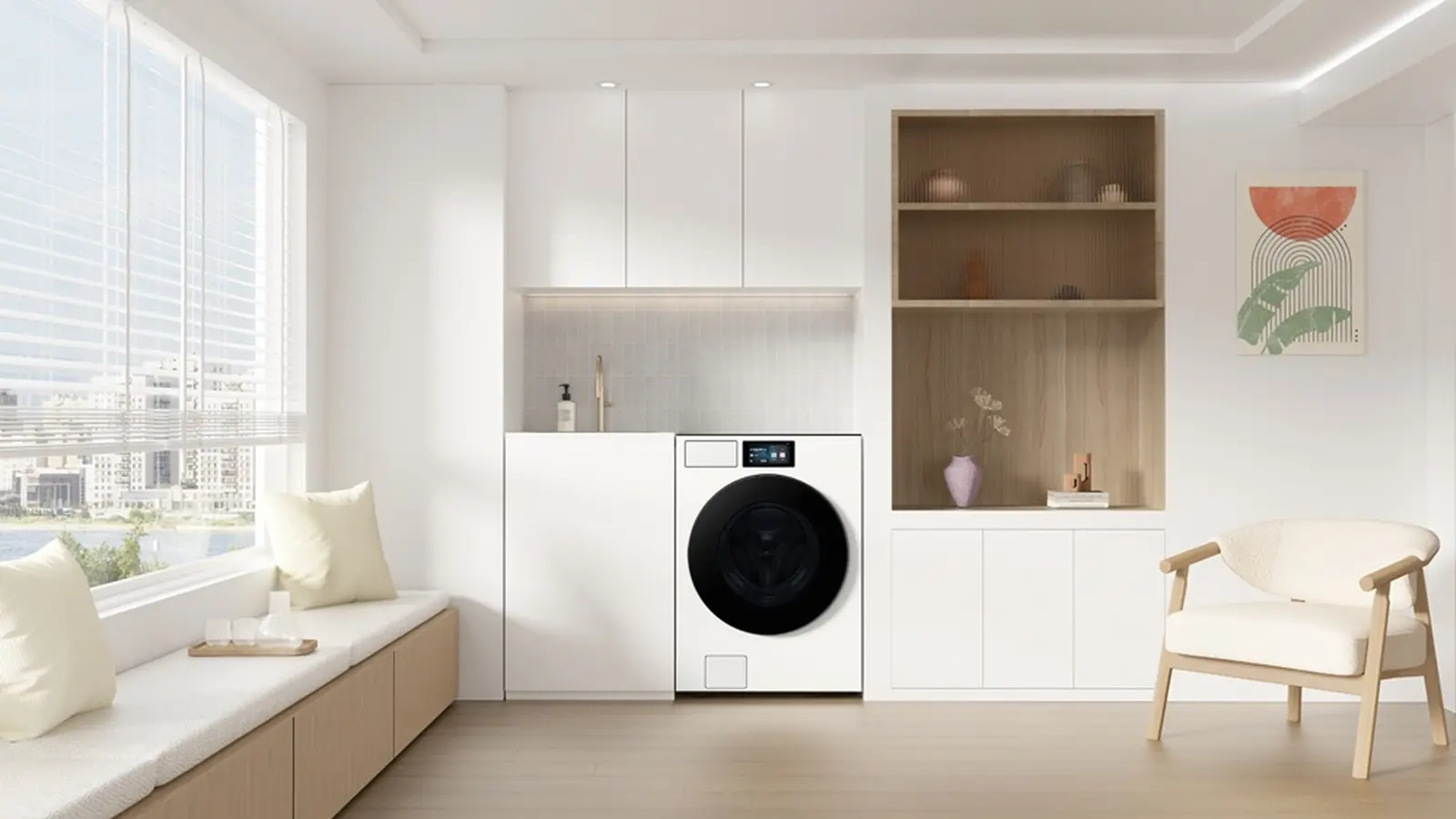
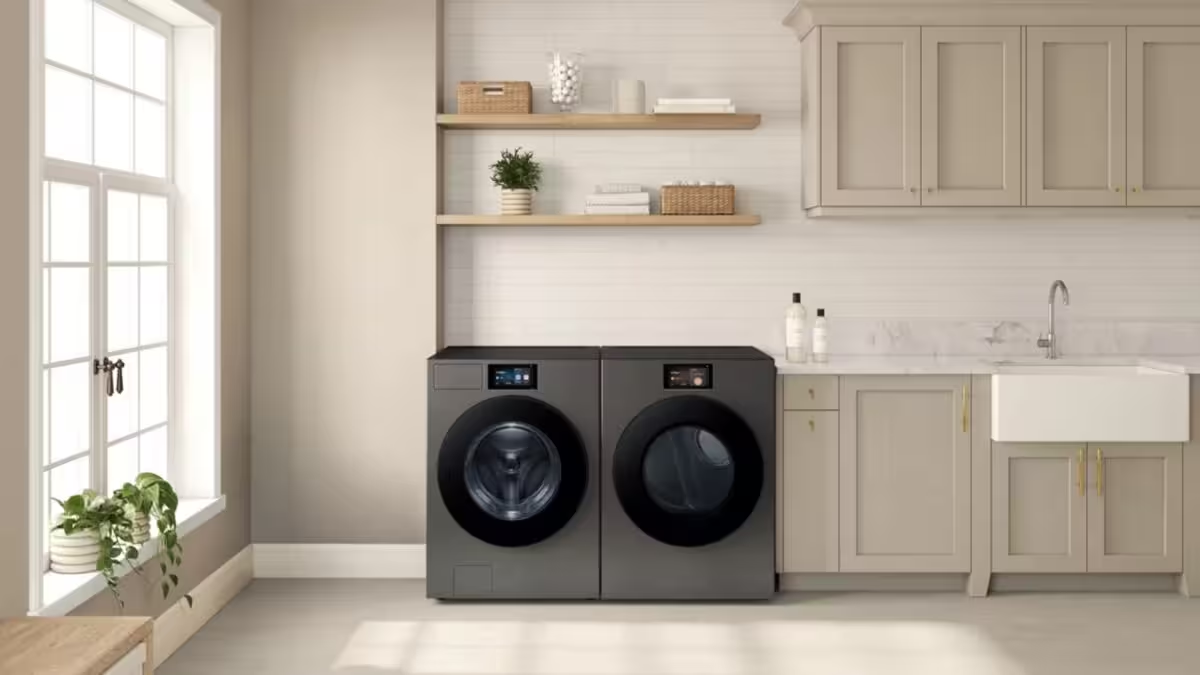
Samsung says its SmartThings AI Energy-Saving Mode can trim power consumption for high-efficiency washing machines by roughly 30%, according to a large real-world study verified by Carbon Trust. The findings point to meaningful savings for households and a roadmap for smarter, greener appliances.
Data from the field: scale and scope
The verification covered energy data from about 187,000 Samsung washing machines across 126 countries, tracked for one year from July 2024 to June 2025. Participating models met established high-efficiency labels in their markets — think Energy Star in the US or 5 Star ratings in India. Over the study period, Samsung reports that activating SmartThings AI Energy-Saving Mode reduced consumption enough to save 5.02 gigawatt-hours of electricity.
To put that into everyday terms, 5.02 GWh is roughly the monthly power use of 14,000 Seoul households, using average figures from Korea Electric Power Corporation. Those are tangible numbers for an efficiency feature that users turned on voluntarily during the trial.
How the AI mode actually saves power
SmartThings AI monitors patterns and optimizes device behavior across compatible appliances. In washing machines, the feature adjusts cycles, timing and other parameters based on learned user habits and energy conditions. Because consumers manually enabled the mode during the study, the reported ~30% reduction reflects real adoption behavior rather than a lab-only improvement.
- Study size: ~187,000 machines
- Countries: 126
- Timeframe: July 2024–June 2025
- Verified savings: 5.02 GWh total (~30% per affected machine)
Why third-party verification matters
Carbon Trust performed the verification following the Decarbonizing the Use-Phase of Connected Devices (DUCD) protocols, a framework for measuring energy use in connected appliances. Samsung says it’s the first company to complete such a large-scale DUCD-based verification, a step that makes energy claims more credible for consumers, regulators and industry observers.
What this means for consumers and the industry
Imagine your washer learning the best times and settings to run while cutting bills and emissions — that’s the promise here. But uptake matters: the savings were achieved when users opted in, so convenience, trust and transparency will determine how many households actually benefit. Samsung plans to publish clearer data on energy and carbon impacts to build that trust.
For the appliance industry, the study is a proof point that AI-driven controls can move the needle on energy use at scale. It also raises questions about defaults, privacy and how these features are presented in the user experience to encourage adoption without being intrusive.
Looking ahead: more AI appliances and a CES reveal
Samsung says it will expand AI-driven energy features to more home appliances and provide consumers with transparent usage and emissions information. The company also plans to preview new AI-powered home devices at its ‘The First Look’ event during CES 2026 in Las Vegas this January — a likely stage to show how these efficiencies will appear in next-generation products.
Whether you follow energy tech closely or just want lower bills, the combination of verified results and broader AI rollout is one to watch. Will users embrace manual opt-ins, or will appliance makers push for more automated energy management? The coming year should give us some answers.





Leave a Comment
Comments
No comments yet. Be the first.