
3 Minutes
Dacia Spring returns as the UK's most affordable EV for 2026
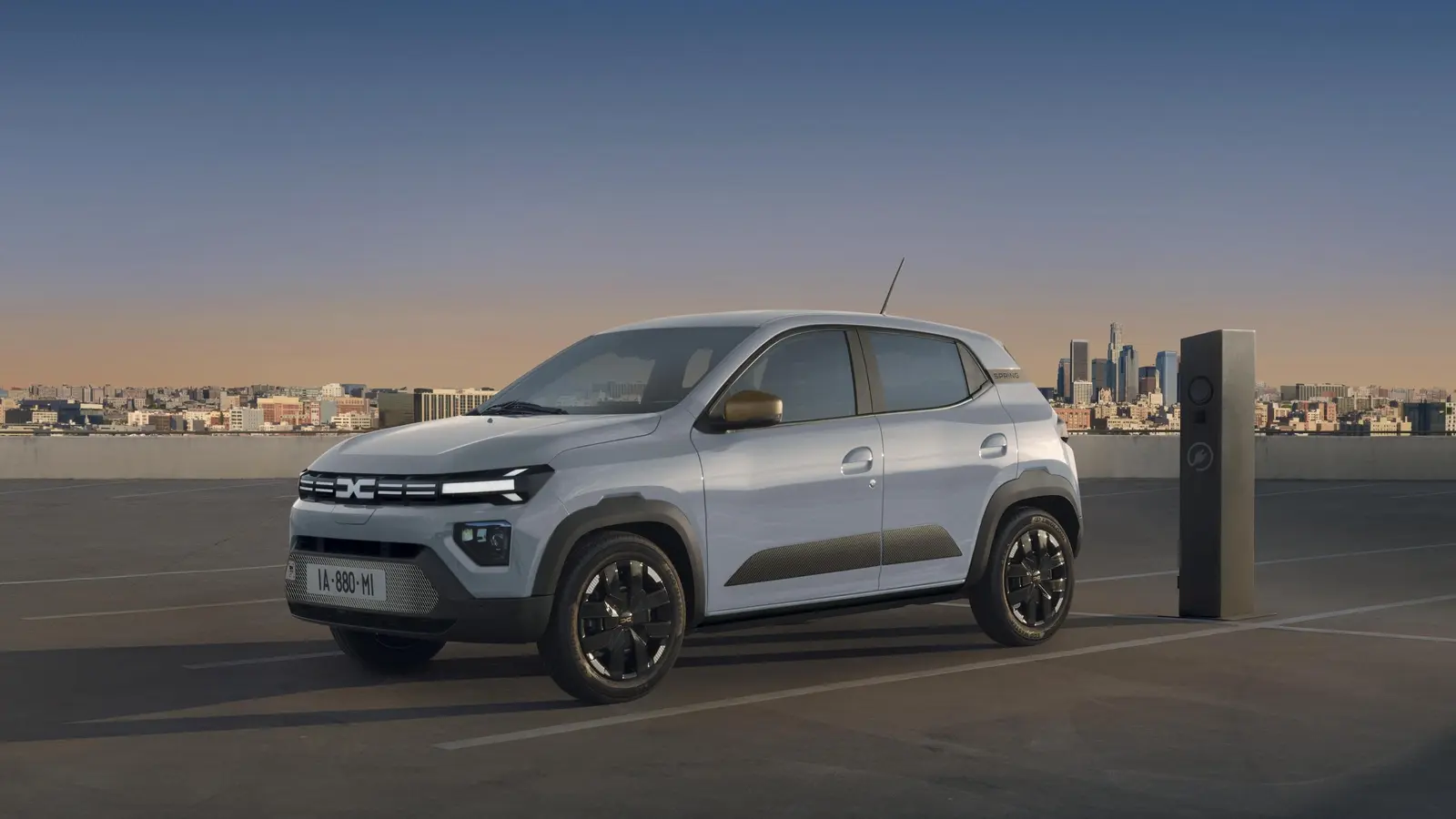
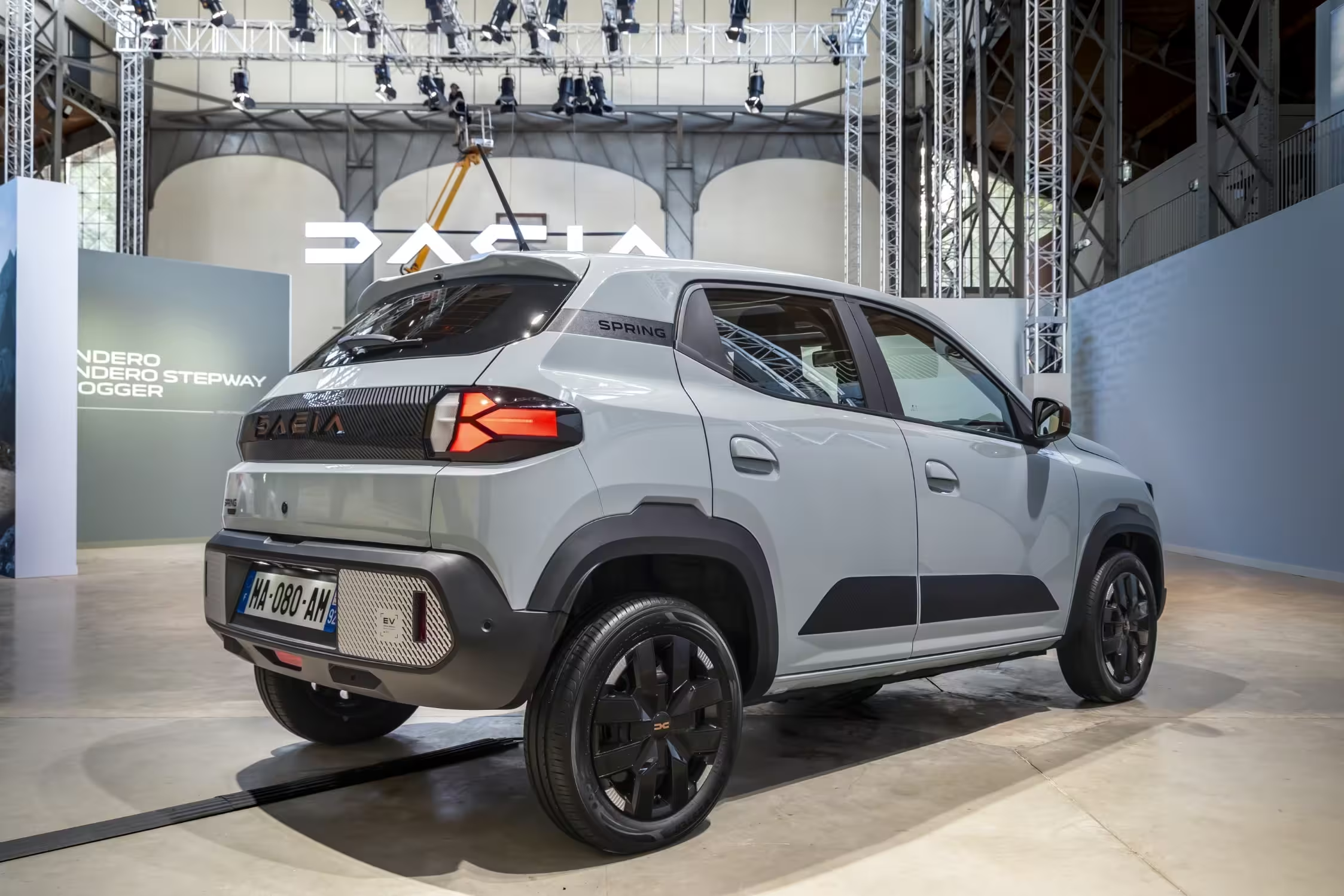
Dacia has updated its Spring city car for the 2026 model year and is positioning it as the UK's most budget-friendly electric vehicle. After the £3,750 customer saving from the government electric car grant, the right-hand-drive Spring will start from £12,240 on the road, with deliveries scheduled to begin in spring 2026. It is designed primarily as an urban runabout rather than a long-distance performer.
Who is the Spring for?
The Spring targets buyers who need a compact, low-cost electric commuter: think short daily trips, tight parking spaces and low running costs. That focus explains its modest cabin, limited cargo space and city-focused performance. For many shoppers the main selling point will be the price and the simple, practical specification.
Trim levels, power and battery
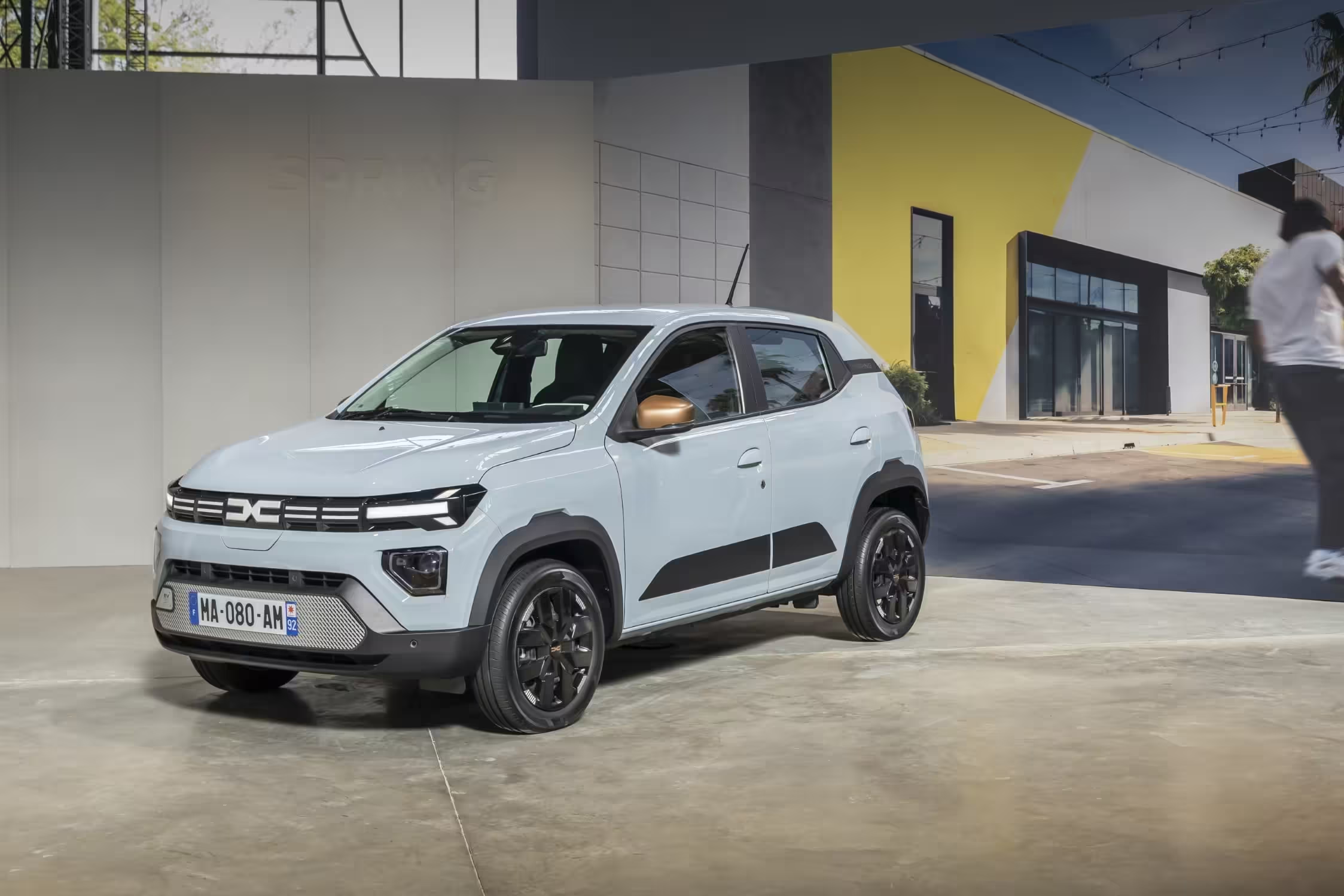
There are two trim options. The Expression (listed as around 69–70 PS) represents the entry point, while the Extreme offers a livelier 99–100 PS motor. Torque figures are modest: the lower-output motor delivers about 125 Nm (92 lb-ft), and the stronger unit raises that to roughly 137 Nm (101 lb-ft). Thanks to revised motor windings and a 24.3 kWh lithium-iron-phosphate (LFP) battery pack, 0–62 mph (0–100 kph) is quoted at approximately 12.3 seconds for the entry model and around 9.8 seconds for the stronger Extreme.
Key specifications (high level)
- Battery: 24.3 kWh LFP
- Power: ~69–70 PS (Expression) / ~99–100 PS (Extreme)
- Torque: ~125 Nm / ~137 Nm
- 0–62 mph: 12.3s (Expression) / 9.8s (Extreme)
- Charging: 20–80% in ~29 minutes (rapid); 0–80% ~46 minutes
- Domestic 2.3 kW: 20–100% takes over 10 hours
Cabin, equipment and practicality
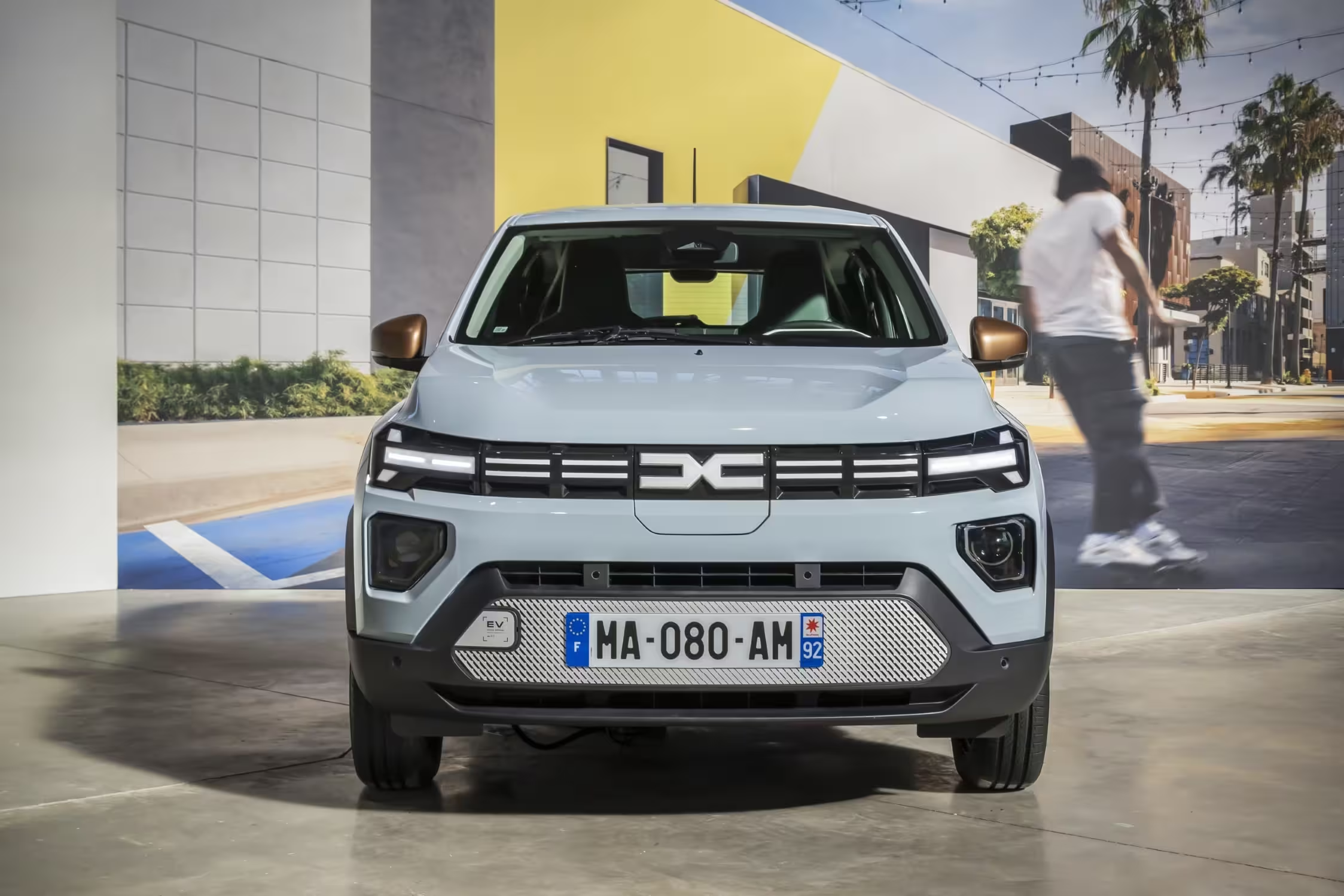
The Spring weighs in at under a tonne and channels a clearly economical approach to materials and equipment. Even so, Dacia includes sensible standard items for urban life. Manual air conditioning, fabric seats, a soft-feel steering wheel and 15-inch steel wheels are part of the baseline. The Expression adds practical touches like carpet mats, tinted windows, cruise control with speed limiter, automatic wipers, a 40 kW DC charging capability and AEB (autonomous emergency braking).
Upgrade to the Extreme and you get aesthetic and tech upgrades: a sportier electric motor, alloy wheels, a 10-inch touchscreen infotainment system, V2L adapter for powering accessories, heated and electrically adjustable mirrors, rear parking sensors and a reversing camera. Still, audio remains basic across the line with just two speakers even on the top trim.
Chassis and on-road behavior
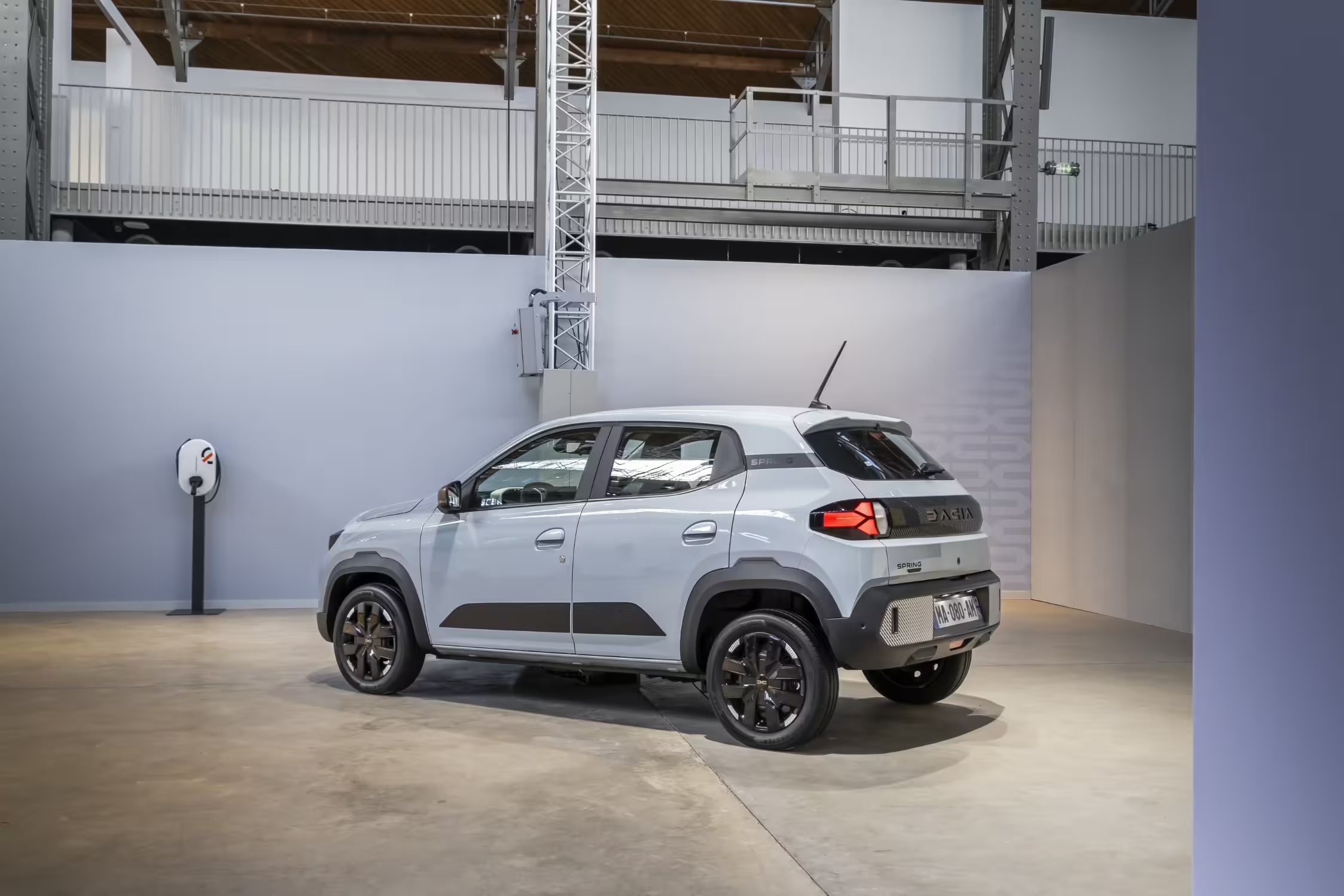
Underlying the Spring is a pragmatic mechanical package: a twist-beam rear axle and drum brakes at the rear. That arrangement keeps costs and weight down but won’t deliver the refinement of pricier small EVs. On-city streets the Spring should feel nimble and easy to park; highway cruising will expose its limited power and range.
Competitors and market positioning
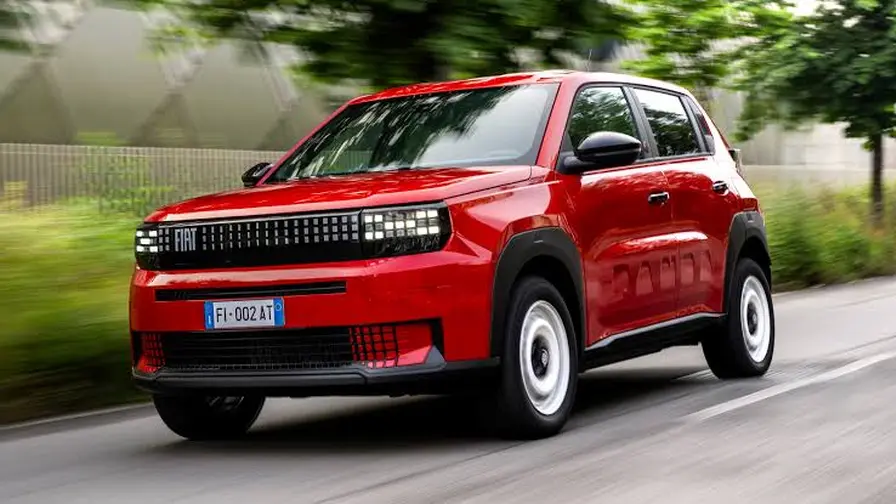
In Europe’s growing cheap-EV segment the Spring faces competition from models such as the Leapmotor T03, Citroën e-C3 and the Fiat Grande Panda. Of those, the Leapmotor T03 is the closest rival on price and equipment, while the Stellantis models offer different packaging and perceived build quality. Dacia’s play is straightforward: undercut rivals on price while delivering a no-frills, practical electric city car.
"The Spring won’t be for everyone, but for budget-focused urban drivers it’s a compelling proposition—if you accept the compromises."
Verdict
For drivers who prioritise cost of entry and low running expenses over long range, refined materials or strong performance, the 2026 Dacia Spring is an appealing proposition. It represents one of the clearest value plays in the UK EV market, but buyers seeking more equipment, comfort or highway manners may prefer higher-priced alternatives.

Leave a Comment
Comments
No comments yet. Be the first.