
3 Minutes
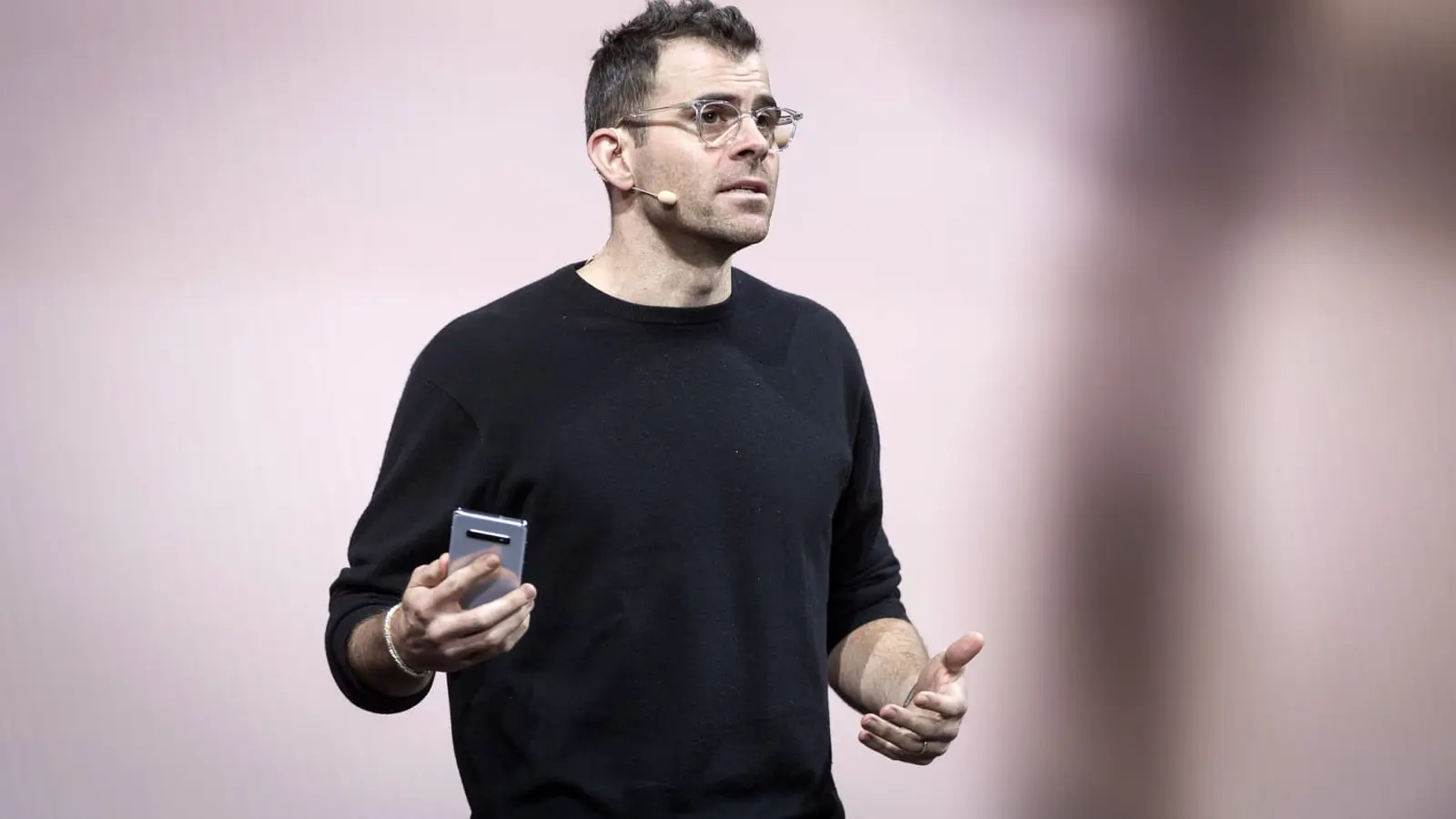
Adam Mosseri, head of Instagram, says AI-generated imagery will soon dominate social feeds — and that platforms should flip the verification script: prove what's real, rather than chase every synthetic fake. His blunt message outlines how creators, camera makers and social networks might adapt as AI grows harder to spot.
Why Mosseri thinks fingerprinting real media makes sense
In a wide-ranging post on platform trends for 2026, Mosseri argued that tools that once made creators unique — authenticity, voice, and the ability to connect — are now widely available thanks to advanced generative AI. With "synthetic everything" filling feeds, he says traditional detection methods will increasingly fail as AI improves.
Rather than rely on fragile watermarks or imperfect detection systems, Mosseri suggested a counterintuitive approach: have cameras and capture devices cryptographically sign images at the moment of capture to create a verifiable chain of custody. In short, fingerprint the real stuff so it’s easier to trust, because chasing every fake will become impractical.
What this means for creators: embrace raw, imperfect proof
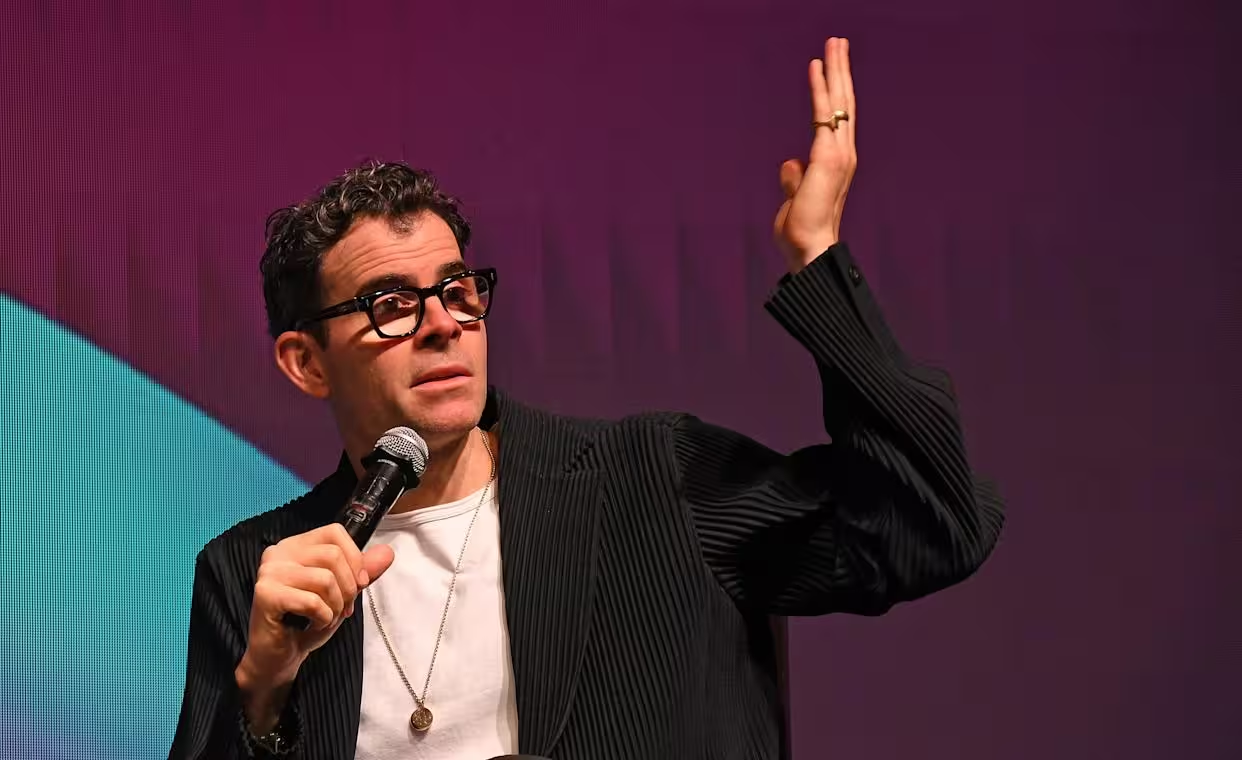
Mosseri also offered practical advice for photographers and creators who want to demonstrate authenticity in a world flooded with AI artifice: favor images and videos that look more "raw" and even a bit unflattering. When polished, highly edited photos can be synthetically reproduced, little imperfections become a form of proof.
That’s a provocative pivot from the polished square photos Instagram was built on. Mosseri argues the old aesthetic — perfectly lit, professional-looking shots — is less useful as evidence of human authorship. Instead, a genuine-looking candid, a slightly imperfect frame, or visible camera artifacts could serve as signals of provenance.
Technical and industry gaps remain
There are obvious hurdles. Cryptographic signing at capture would require broad cooperation from phone makers and camera manufacturers, new standards for metadata, and protections against spoofing or post-capture tampering. Mosseri acknowledges few details on implementation, and Meta — like other platforms — has admitted current tools can’t reliably detect AI-generated content at scale.
- Watermarks and detectable fingerprints are easy to remove and not foolproof.
- Platform labeling systems are inconsistent and can’t keep up with rapidly improving generative models.
- Wide adoption of capture-level signing would need industry standards and legal, technical safeguards.
What creators and platforms should consider now
For creators, Mosseri’s message is both strategic and tactical: if you want your work recognized as authentic, show the behind-the-scenes, the mistakes, the context. Those choices may help your content stand out as human-made when polished images are indistinguishable from synthetic ones.
For platforms and device makers, the trade-offs are clear: invest in centralized detection (which may become a losing battle) or collaborate on provenance systems at the point of capture. Neither path is simple, and each raises questions about privacy, surveillance, and who gets to define "real."
Why this matters beyond Instagram
The debate over fingerprinting real media touches the future of trust online. If major platforms adopt capture-level verification, it could reshape photography, journalism, and how audiences evaluate visual content. If they don’t, users may need new literacy skills to judge what they see.
Imagine scrolling through your feed and seeing a small badge that proves an image was cryptographically signed at capture — that could become a powerful trust signal. But until device makers and platforms agree on standards, creators will be left navigating a messy middle ground where authenticity is proven by the look and feel of the image itself.











Leave a Comment
Comments
No comments yet. Be the first.