
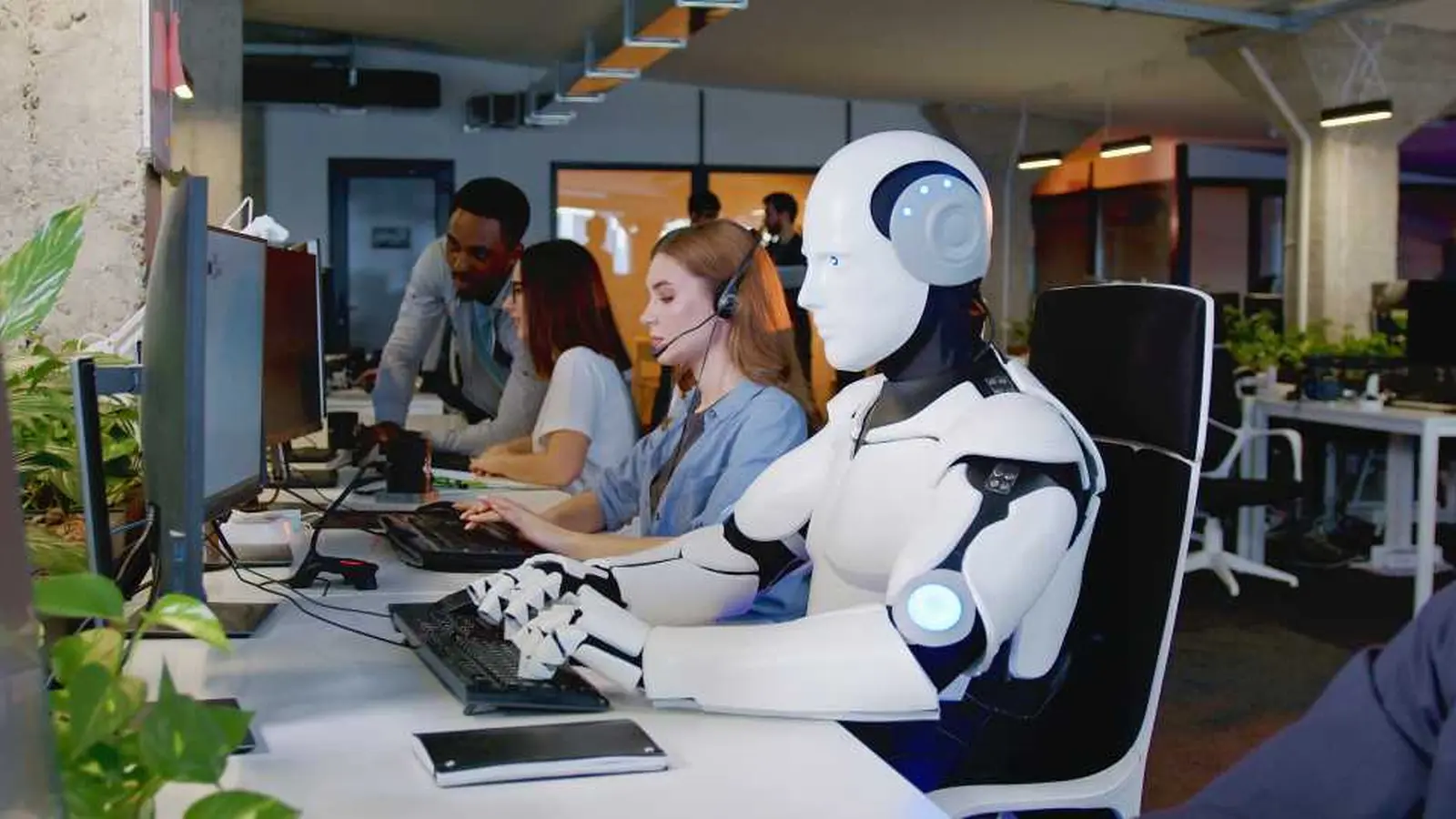
Concerns about artificial intelligence and its impact on employment are rising alongside a wave of new AI tools promising greater automation and productivity. Recent studies and investor sentiment suggest these anxieties aren’t unfounded — and 2026 could be a pivotal year for workforce change.
Evidence mounts: studies and early signs
A November study by researchers at MIT found that roughly 11.7% of existing jobs could be automated with current AI capabilities. That statistic alone is enough to turn heads: it implies millions of roles worldwide may be vulnerable to replacement or heavy transformation.
Surveys and reporting from TechCrunch also show employers are already responding. Some companies have begun trimming lower-level positions as AI tools are adopted, and corporate statements increasingly list AI adoption among reasons for workforce reductions.
Why investors expect 2026 to be a tipping point
In a TechCrunch investor survey, multiple venture capitalists predicted 2026 will amplify AI’s effect on company headcounts — even though the survey didn’t explicitly ask about AI. Their comments point to a broader shift: as organizations formalize AI budgets and strategies, they’ll reassess staffing needs more critically.

- Eric Bahn, co-founder and general partner at Hustle Fund, said he expects visible labor-market impacts in 2026, though the exact shape of those changes is still uncertain.
- Marl Evans, founder and managing partner at Exceptional Capital, warned that companies investing more in AI will likely reallocate funds from hiring and payroll. She expects this rebalancing to lead to further reductions in headcount and continued pressure on U.S. employment rates.
- Rajiv Dam, CEO of Sapphire, agreed that 2026 budgets will progressively shift resources away from labor toward AI tools and platforms.
- Jason Mandel, a VC at Battery Ventures, added that AI in 2026 will go beyond boosting existing employees’ productivity — it will begin to substitute for whole roles.
What kinds of jobs are most exposed?
Not every job will disappear. The MIT figure highlights a portion of roles that are technically automatable today — mainly repetitive, rules-based tasks. Roles that involve predictable workflows, routine data processing, or basic customer interactions are at greatest risk. In contrast, jobs requiring complex human judgment, deep empathy, or creative synthesis will be harder to replace.
Practical impacts companies are already seeing
Some firms are streamlining teams as they deploy AI-powered systems for tasks like initial customer triage, document review, and basic analytics. Others are carving out AI budgets by cutting hiring plans or reallocating headcount. For workers, that means more roles being repurposed, automated, or merged into hybrid human+AI positions.
So what should workers and leaders do?
For employees, the path forward is skills adaptation: focus on higher-value capabilities that complement AI — complex problem solving, creativity, strategic thinking, and interpersonal skills. For managers and policymakers, transparency and reskilling pathways will be critical to soften disruption.
Imagine a company that replaces entry-level data-entry roles with AI but simultaneously invests in reskilling those employees into AI-supervision, quality control, or customer success roles. That’s one scenario that mitigates harm — though it requires deliberate planning and investment.
As AI tools mature, 2026 may be the year many organizations move from experimental pilots to firm decisions about workforce structure. The conversation is no longer just about productivity gains; it’s about how those gains will be funded and who will bear the costs.
.avif "Xbox Executive Under Fire for Suggesting Laid Off Employees Seek Emotional Support from Copilot AI")

Leave a Comment
Comments
No comments yet. Be the first.