
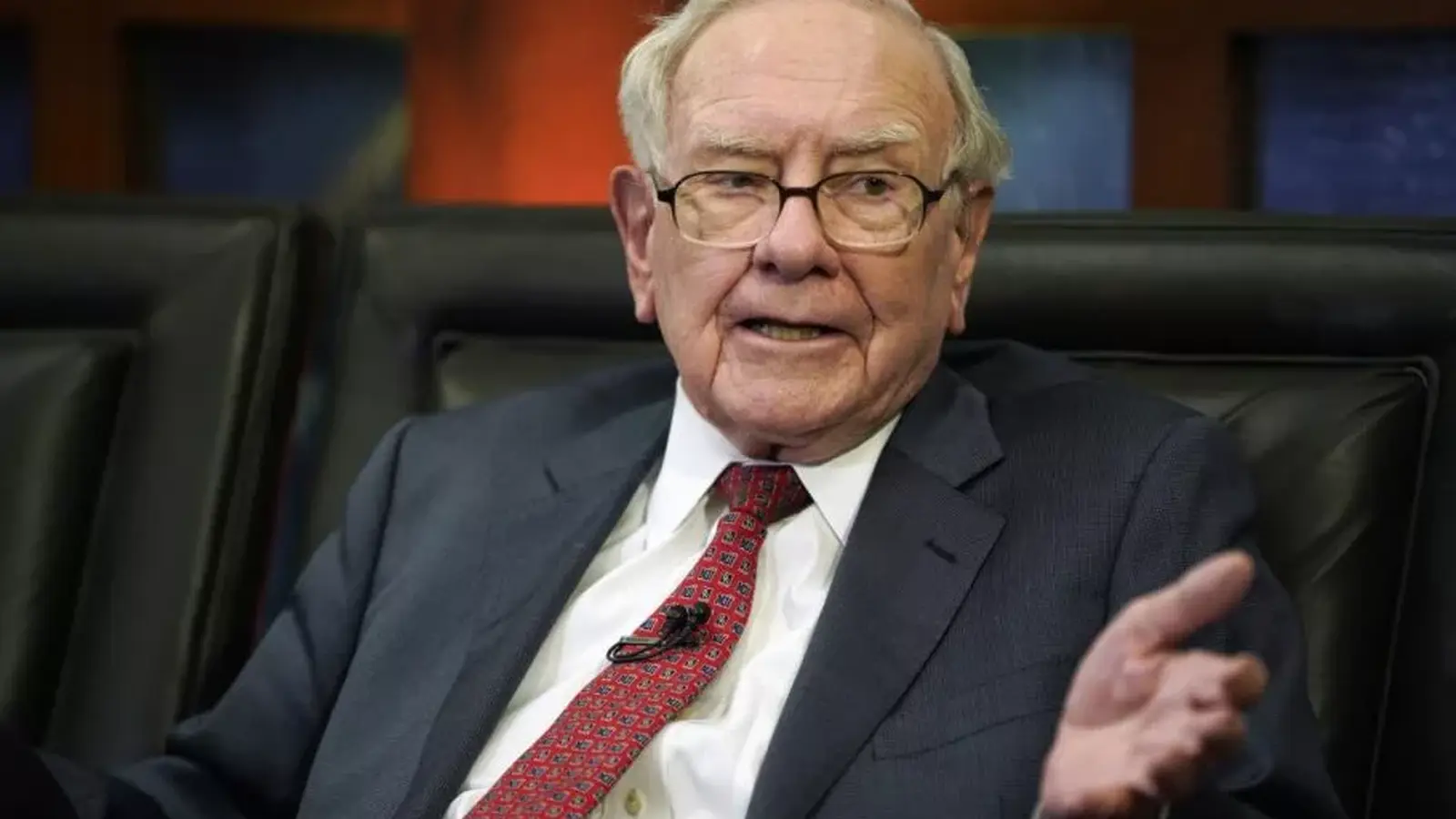
Warren Buffett, the long‑time face of Berkshire Hathaway, has stepped down as CEO after more than six decades at the helm. At 95, he hands day‑to‑day leadership to Greg Abel while remaining chairman — and he says he won’t be disappearing from the office anytime soon.
A changing of the guard at Berkshire
Buffett’s final working day as CEO was Wednesday, December 31. The billionaire investor — known worldwide as the “Oracle of Omaha” — announced he would relinquish the CEO role but continue as Berkshire Hathaway’s board chairman. Greg Abel, 63, will take over operational leadership of the conglomerate that Buffett turned into one of the most influential investment vehicles in modern business.
What Buffett said and what he still cares about
In a farewell letter to shareholders released last month, Buffett offered a mix of investment wisdom and humane reminders. He praised Berkshire’s individual shareholders for their generosity and wrote that greatness doesn’t come from hoarding money, flashy publicity or power. "Kindness is free and priceless," he wrote, urging readers to follow the Golden Rule in life and business.
Buffett also told the Wall Street Journal in May that even after handing over CEO duties he planned to keep coming to the office. "I’m not going to sit at home and watch soap operas," he said, adding that his interests remain the same: studying businesses, reading annual reports and meeting people.
From a childhood investor to a corporate legend
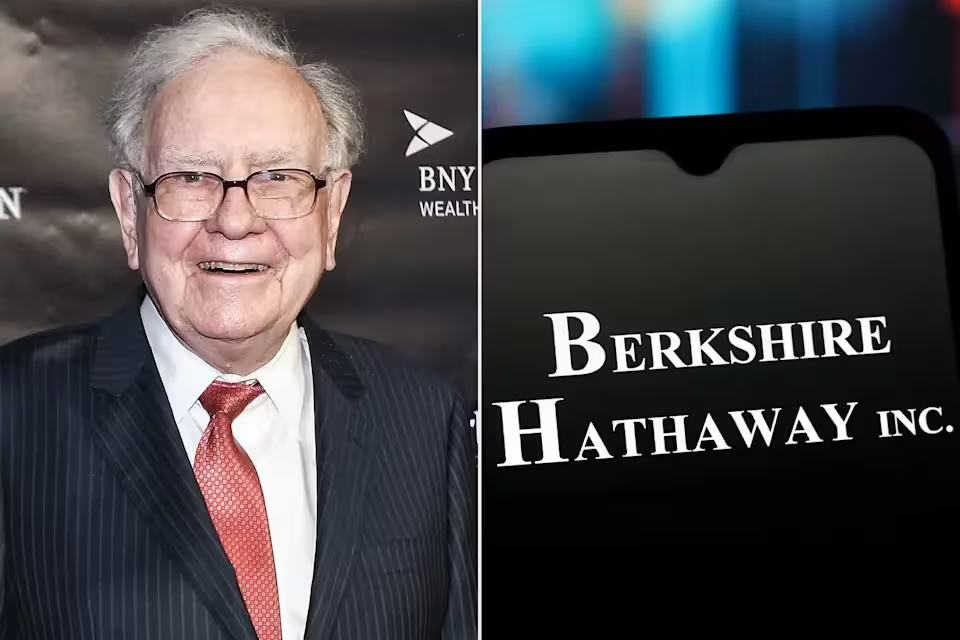
Buffett’s investing journey began early. He bought his first stock in 1942 at age 11 and used savings from childhood to make a notable purchase of Cities Service shares — $114.75 worth — years later. He began using Berkshire Hathaway as his principal investment vehicle in 1964 and became the company’s CEO in 1970. Over decades he transformed a textile mill into a diversified holding company that spans insurance, railroads, energy, consumer brands and more.
- Started investing at age 11 (first notable purchase: Cities Service)
- Made Berkshire Hathaway his primary vehicle in 1964
- Became Berkshire CEO in 1970
- Remains chairman of the board after stepping down as CEO
How this affects investors and the market
For many, Buffett’s resignation as CEO marks the end of an era. Yet the management transition was long signaled and planned. Greg Abel, a seasoned executive within Berkshire’s leadership ranks, assumes the CEO mantle at a time when succession risk had been a key question for shareholders for years. Analysts will watch Abel’s strategy, capital allocation decisions and stewardship of Berkshire’s sprawling portfolio closely.
Even as leadership changes, Buffett’s influence endures. Bloomberg currently estimates his net worth at roughly $150 billion, placing him among the world’s richest people. But in his shareholder note, he emphasized values over net worth: helping others in thousands of small ways, he wrote, is what truly helps the world.
What to watch next
Expect the short term to be dominated by investor scrutiny of Abel’s public comments and early moves. Long term, Berkshire’s diversified cash flows and decentralized operating model may help smooth the leadership change. Still, the symbolic moment is significant — a storied chapter in American investing closes while a new one begins.

Leave a Comment
Comments
No comments yet. Be the first.