
3 Minutes
Google's approach to phone security has always been quietly ambitious. Back in 2021 the company introduced the Titan M2, a dedicated security chip that turned the Pixel lineup into more than just hardware and software — it added a hardened vault for keys, passcodes and attestation. Four years on, that vault looks dated next to evolving threats and richer on-device AI workloads.
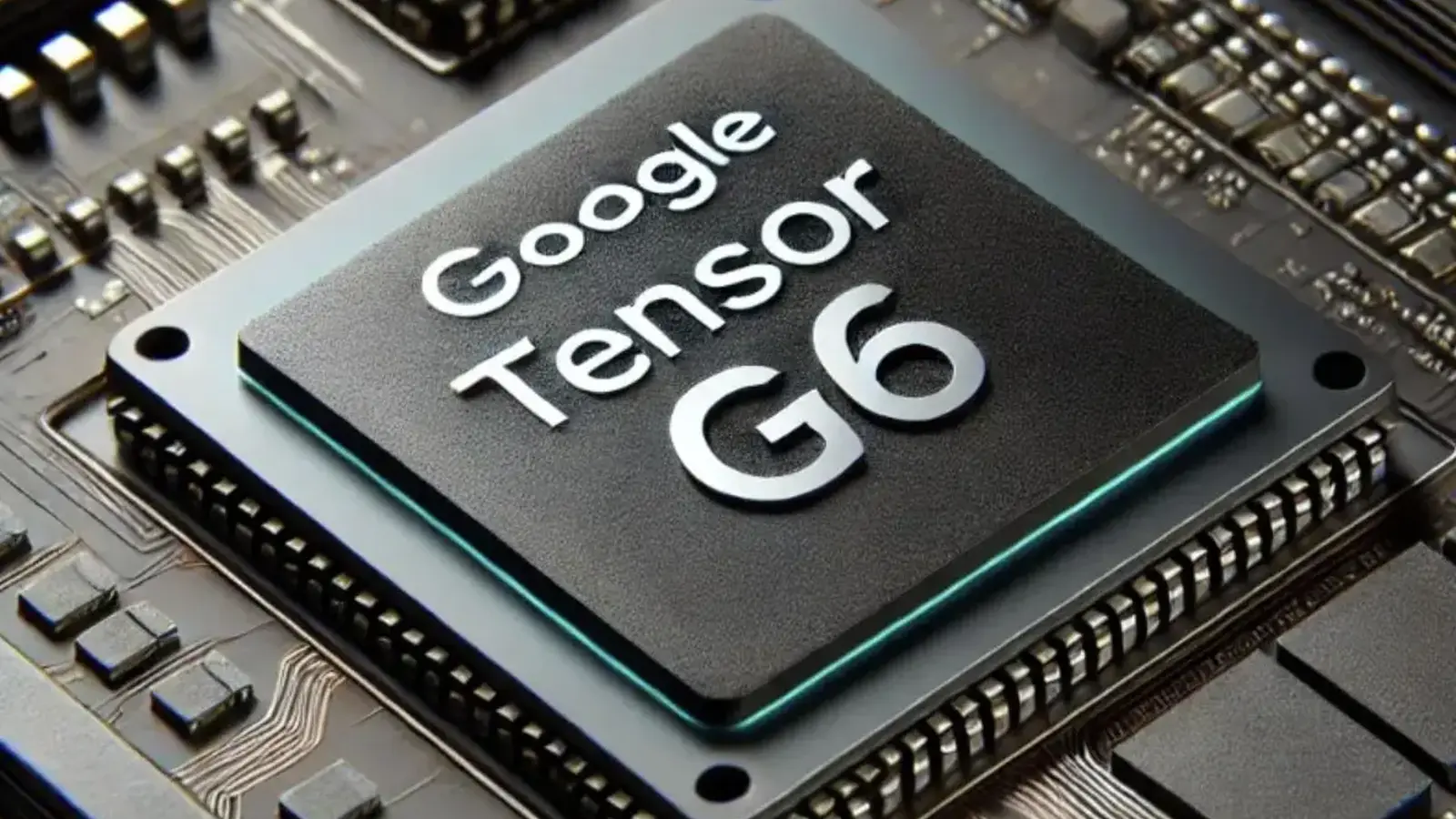
Now a whisper from the rumor mill suggests Google is ready to upgrade. The Pixel 11, apparently paired with a Tensor G6 system-on-chip, may also get a new security companion: the Titan M3. The chip is reportedly codenamed "Epic." A dramatic name. A dramatic expectation. If Google chose that label for no reason, then the M3 could represent a meaningful leap in how the company thinks about trust and isolation on phones.
What do we actually know? Very little, beyond the codename and the timing. That means everything you read next is educated inference rather than leaked specifications. Still, the provenance of the Titan line gives us a helpful baseline. Titan M2 handles secure boot, protects on-device encryption keys, enforces anti-rollback for firmware, and checks lock-screen passcodes. It’s designed to remain trustworthy even if Android or the main Tensor processor is compromised. Those are heavy responsibilities.
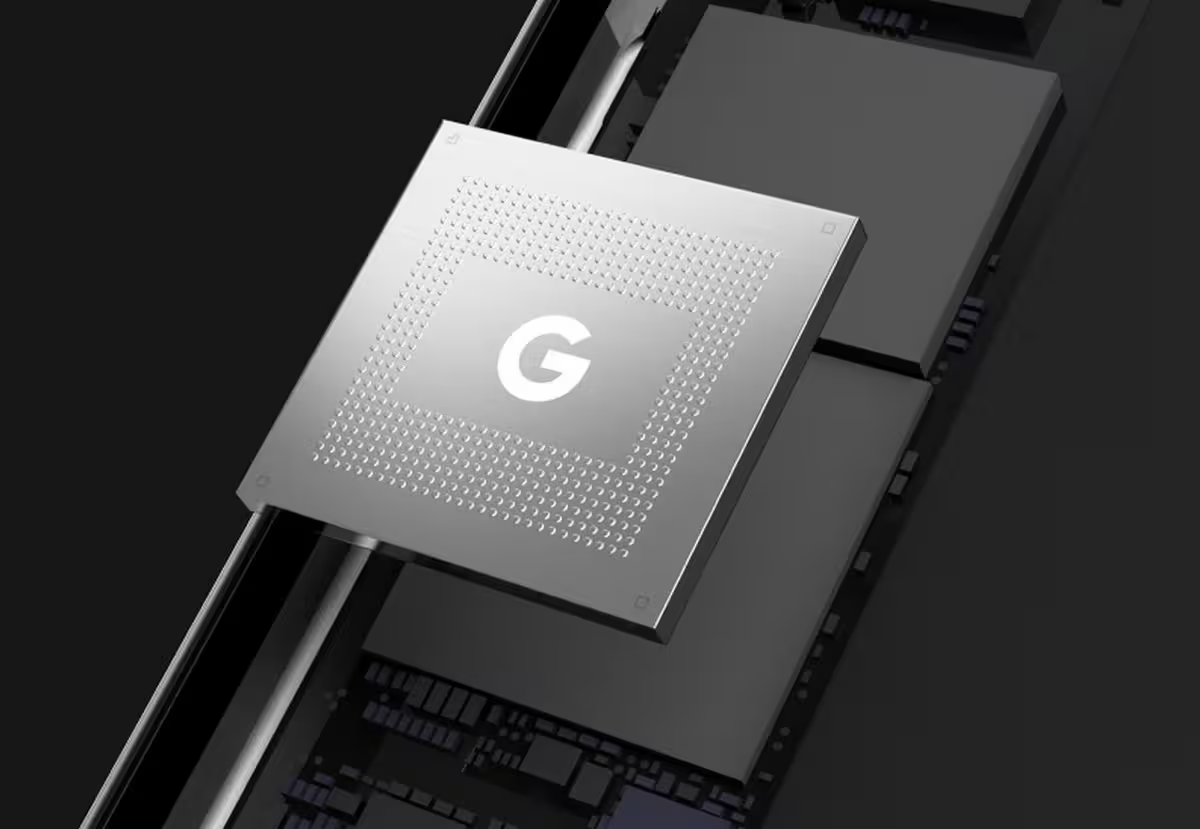
So what might "Epic" add? Start with tighter isolation. Expect a more autonomous security domain that can perform cryptographic operations without touching the main SoC. Expect faster and more power-efficient crypto accelerators to support stronger algorithms. Hardware roots-of-trust will likely get reinforced, and attestation workflows — the checks apps and services use to confirm a device’s state — could become more granular and resilient.
Biometrics and privacy are obvious targets, too. As on-device AI handles more sensitive data, a separate secure engine for biometric templates and authentication flows makes sense. That could reduce the attack surface and improve user privacy. Another plausible upgrade: expanded update safeguards and rollback protections tied to the Tensor G6, limiting the damage a compromised firmware image could cause.
There’s also speculation about future-proofing. Post-quantum cryptography is moving from academic papers into practical planning. Whether Google will bake PQC primitives into Titan M3 is unknown, but the company is the sort that plans years ahead. Even incremental improvements — like better entropy sources, stronger key storage, and faster secure enclave communication — would pay dividends for everyday security.
Rumors like this rarely arrive with full schematics. We should expect piecemeal confirmations, benchmarks, and security write-ups as the Pixel 11 launch approaches. For now, the most useful takeaway is simple: Google appears to be doubling down on hardware-backed security, and that’s a welcome sign for anyone who treats privacy and device integrity seriously.
Keep an eye on the Pixel announcements. If "Epic" proves more than a name, the next generation of Pixel phones could raise the bar for mobile trust — quietly, stubbornly, and without fanfare.



Leave a Comment
Comments
No comments yet. Be the first.