
3 Minutes
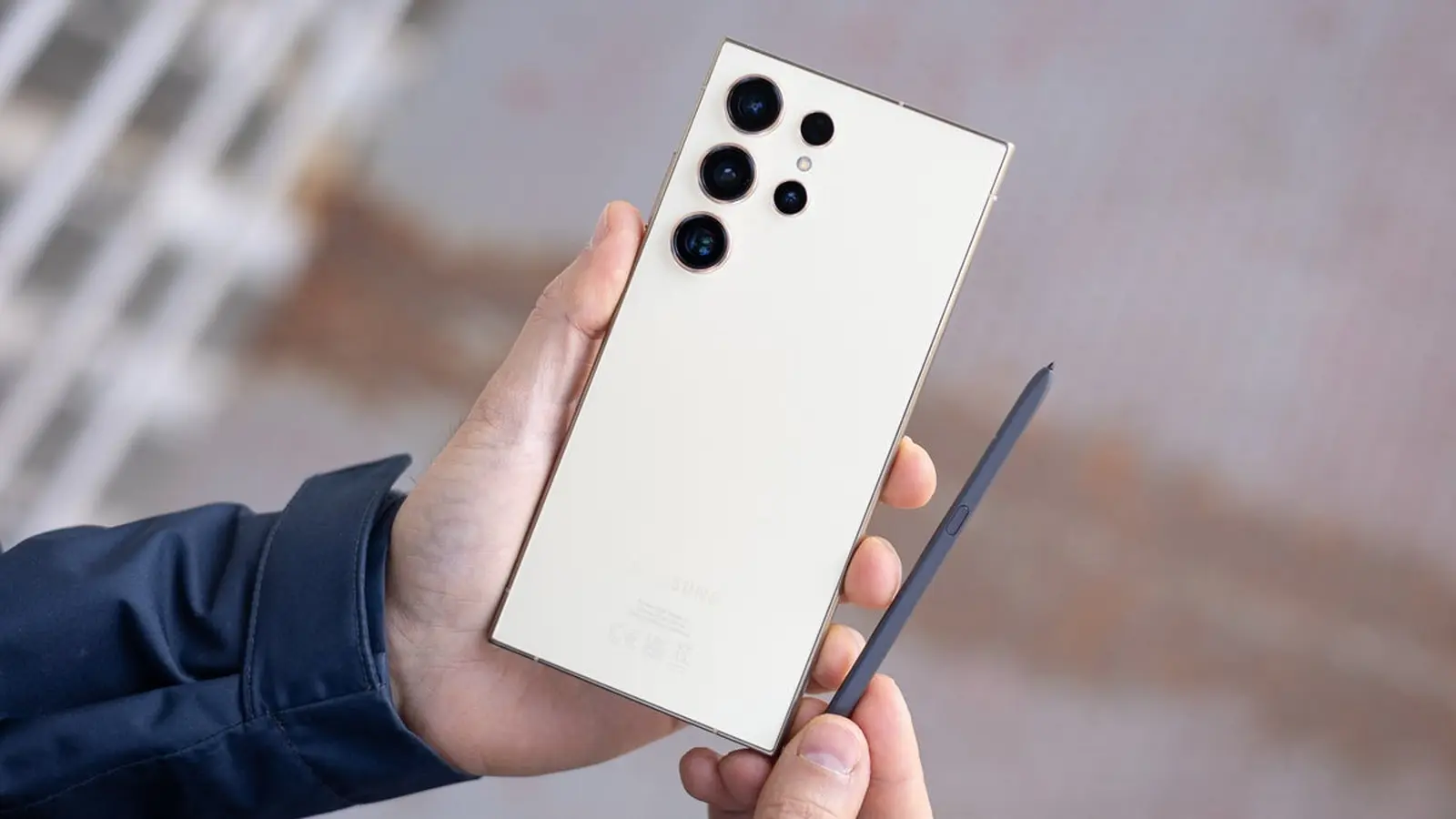
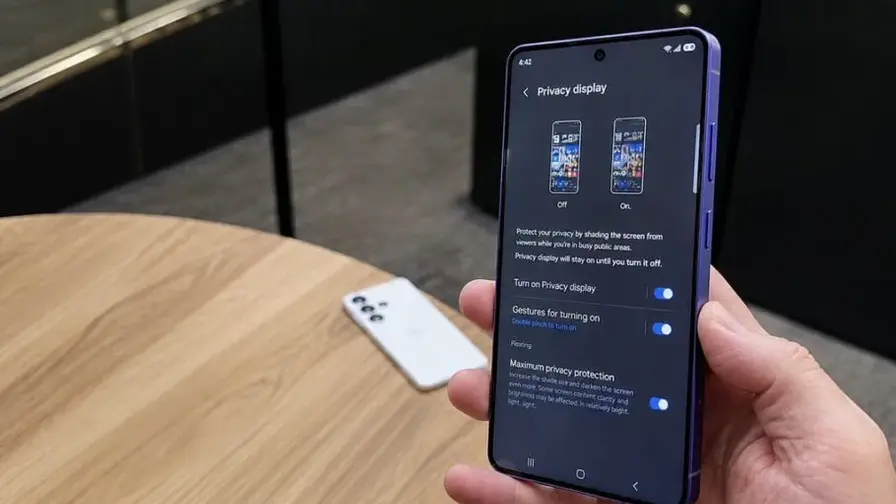
Samsung's next Galaxy S26 series may include a new screen privacy feature, according to a One UI 8.5 leak. Early firmware references point to a Privacy Display that trims side viewing angles to keep on-screen content readable only when you look straight at it.
A built-in shield for prying eyes
The leaked One UI 8.5 files mention Privacy Display as a user-facing option. The idea is simple: reduce the clarity of the screen when viewed from off-center, cutting down on unwanted glances in public places like buses, trains, or coffee shops. It sounds low-key, but in crowded settings this could be a practical addition for privacy-conscious users.
Privacy Display does not appear to be enabled permanently. The leak indicates users will be able to switch it on in Settings or add a toggle to the Quick Panel for fast access. There are also hints that Samsung intends to let people automate the feature via Modes and Routines, so it could turn on when you leave home, connect to mobile data, or meet other custom conditions.
How Samsung may implement it under the hood
Unlike solutions that rely on the front camera or face detection, the leak suggests this is a display-driven feature. That matches a demo Samsung Display showed last year called Flex Magic Pixel OLED, which can alter viewing angles by controlling how pixels emit light. If the Galaxy S26 series uses that panel tech, Privacy Display would work at the hardware level rather than scanning the scene with a camera.
- Manual control: Settings or Quick Panel toggle
- Automation: Modes and Routines triggers like location or network
- Hardware approach: Pixel-level light control, not camera tracking
How it stacks up against rivals
The concept of preventing snooping is not new. For example, Huawei's Pura 80 Ultra uses eye-tracking and facial recognition to detect observers and sends a Dynamic Island-style alert when someone else looks at the screen. Samsung's method appears more privacy-first at the panel level, which has benefits and trade-offs: it avoids extra camera usage and potential false positives, but it may not offer person-specific alerts.
Which approach is better? It depends on user priorities. Do you want automatic, individualized warnings, or a passive, always-consistent screen behavior that reduces side visibility for everyone? Samsung seems to be betting on the latter.
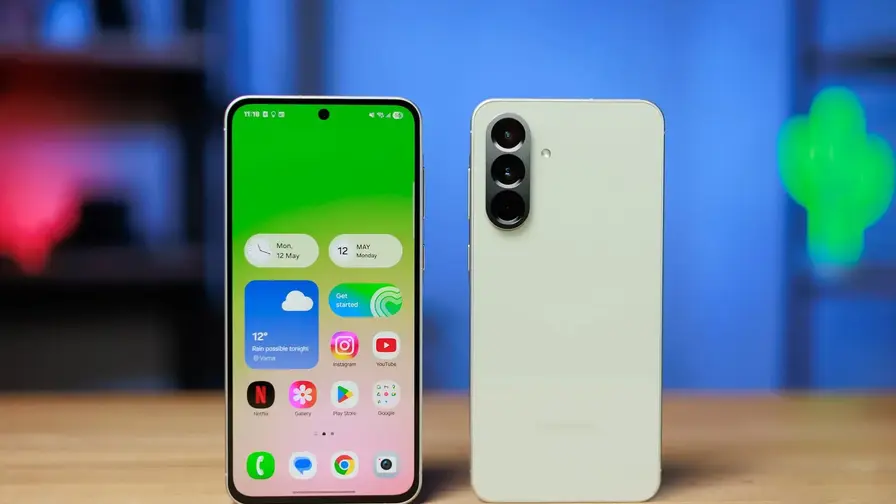
Expect more clarity when Samsung officially unveils the Galaxy S26 series in February 2026. Until then, the One UI 8.5 leak gives a promising glimpse of a privacy feature built into the phone rather than bolted on as an app or software trick.

Leave a Comment
Comments
No comments yet. Be the first.