
2 Minutes
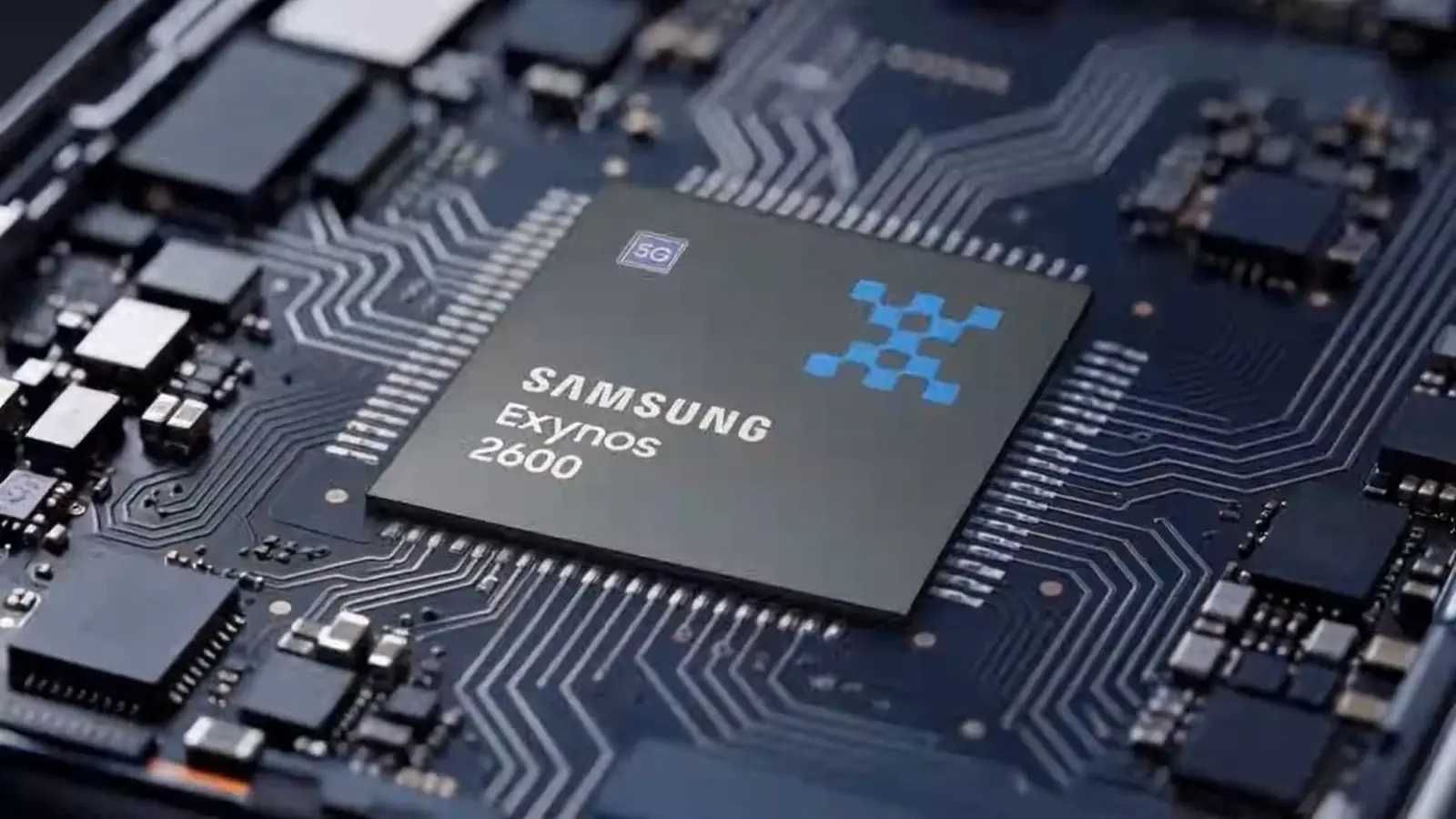
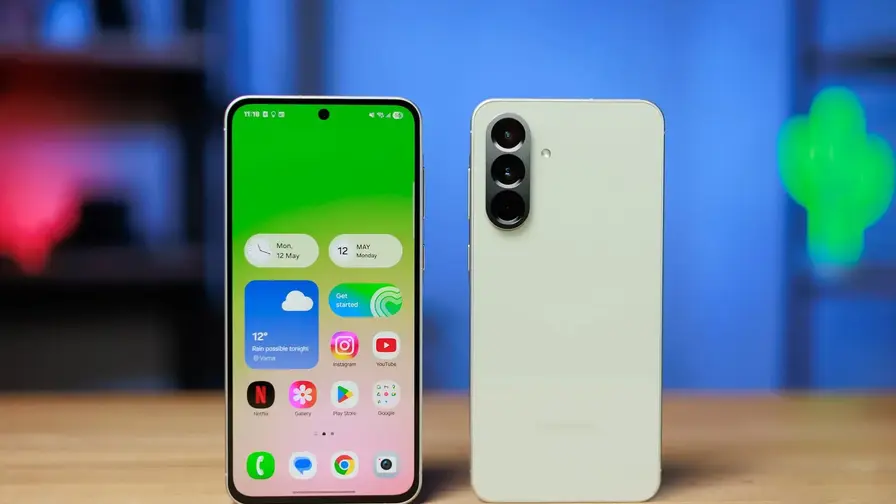
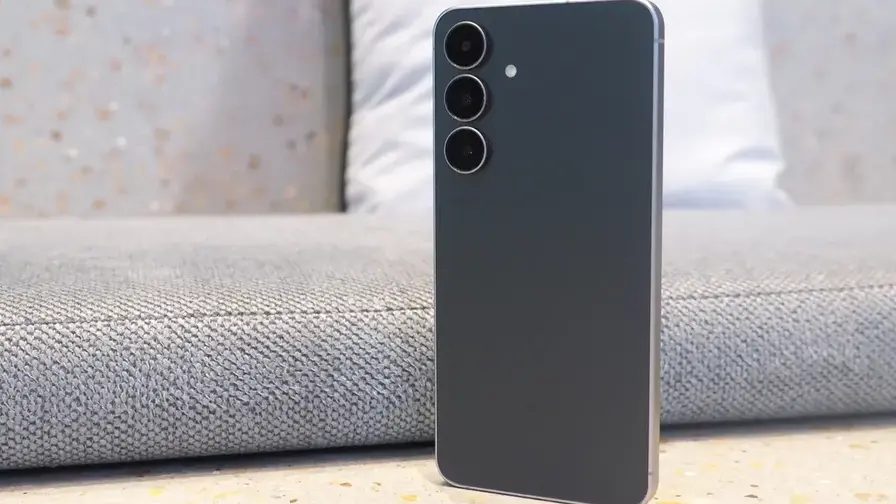
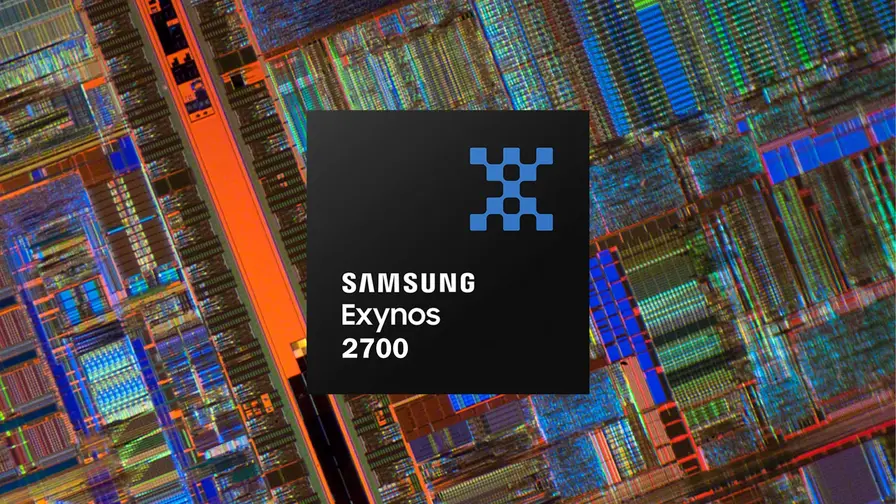
Samsung’s Exynos 2600 is stirring up the mobile GPU conversation ahead of the Galaxy S26 launch, with early benchmark chatter suggesting a real step up in graphics performance. Here’s what the numbers — and the tech behind them — might actually mean for users.
OpenCL scores turning heads — but take them with caution
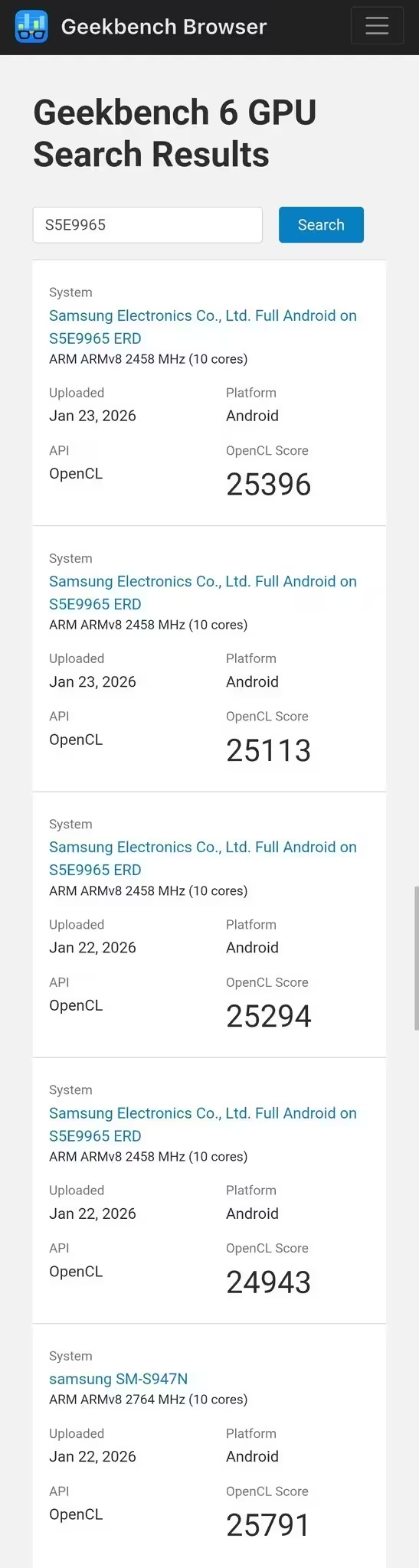
Multiple Geekbench OpenCL runs reportedly place the Exynos 2600 GPU around the 25,000 mark, a level that could outpace some Snapdragon 8 Elite Gen 5 results in raw tests. Those headline numbers are catchy, but benchmarks can be noisy: testing environments, driver maturity and even result spoofing affect outcomes. So while the figures are promising, they aren’t the final word.
Why RDNA4 integration matters
What makes the Exynos 2600 particularly interesting is that it’s the first mobile chipset to pair with a GPU based on AMD’s RDNA4 architecture. RDNA designs emphasize efficiency and higher IPC for graphics workloads — in other words, better performance per watt. That could translate to faster frame rates and improved visuals in demanding games and apps, especially if the silicon and drivers are optimized.
Thermals and sustained performance — the real test
Peak benchmark numbers are one thing; sustained performance under prolonged load is another. Samsung’s reported improvements in thermal management could help the Exynos 2600 maintain higher GPU clocks without throttling, which would deliver a noticeably smoother experience during long gaming sessions or heavy rendering tasks. Imagine holding steady frame rates in a marathon mobile match — that’s the user-facing benefit people want.
What to watch when the Galaxy S26 ships
- Real-world gaming: sustained frame rate and frame-time stability over time.
- Thermal behavior: surface temps and throttling thresholds under load.
- Battery impact: does the RDNA4 GPU deliver efficiency or higher drain?
- Driver maturity: early firmware can change performance profiles quickly.
So, will the Exynos 2600 truly beat Qualcomm’s best in day-to-day use? Possibly — but we’ll need side-by-side tests of the Galaxy S26 (Exynos) versus Snapdragon-equipped variants to know for sure. Until then, the benchmarks are an exciting tease, not a verdict.


Leave a Comment
Comments
No comments yet. Be the first.