
3 Minutes
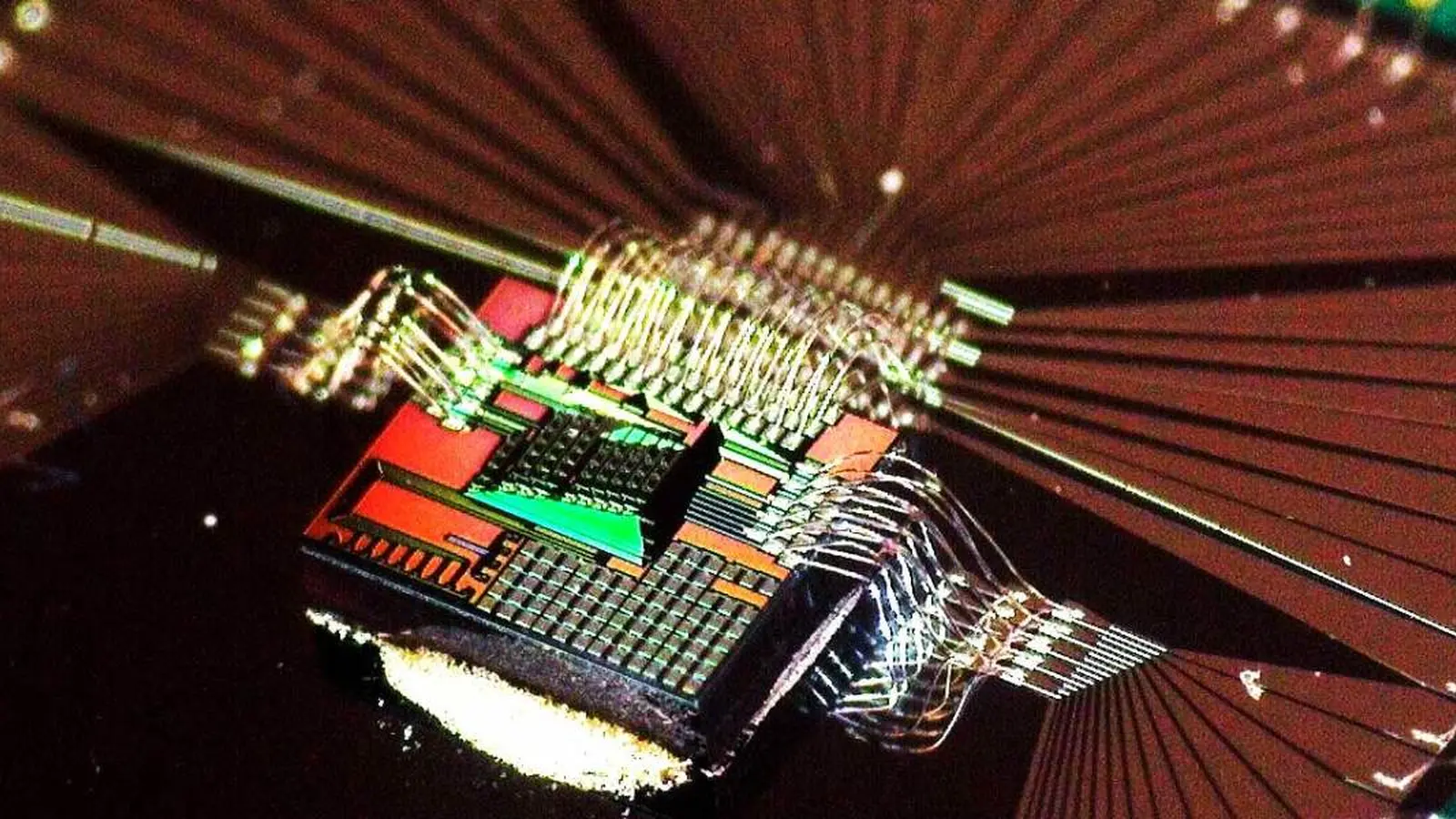
A US startup backed by Bill Gates' Gates Frontier Fund has unveiled an experimental AI processor that runs on light instead of electrons. Neurophos says its optical chip could deliver major gains in performance and energy efficiency, promising an alternative path for scaling AI beyond traditional silicon GPUs.
From electrons to photons: a different way to compute
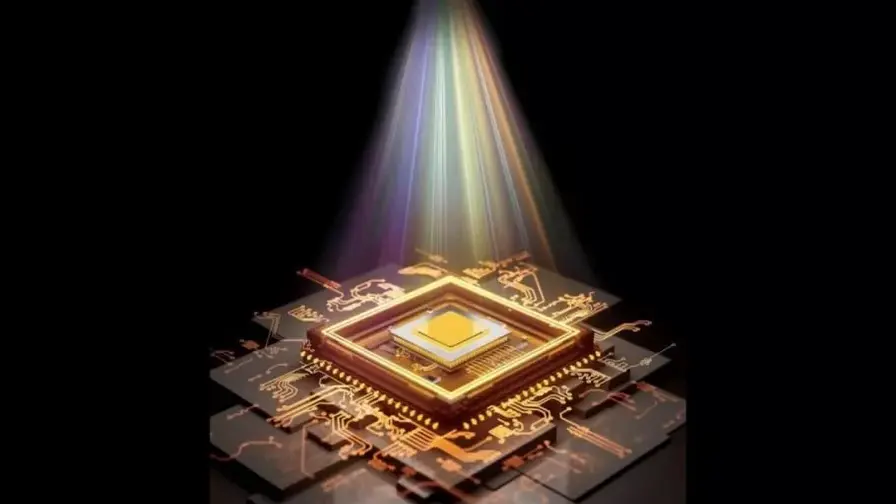
Instead of shuttling electrons through transistors, the Neurophos design performs computation with photons. Light switches faster and produces far less heat than moving charges through silicon, which theoretically allows much higher throughput and lower power draw. The company says it solved a major hurdle for optical computing by shrinking optical components to a density compatible with existing chip foundries, packing a single, very large optical compute matrix onto a chip rather than relying on many smaller electronic cores.
What this means compared with today's AI chips
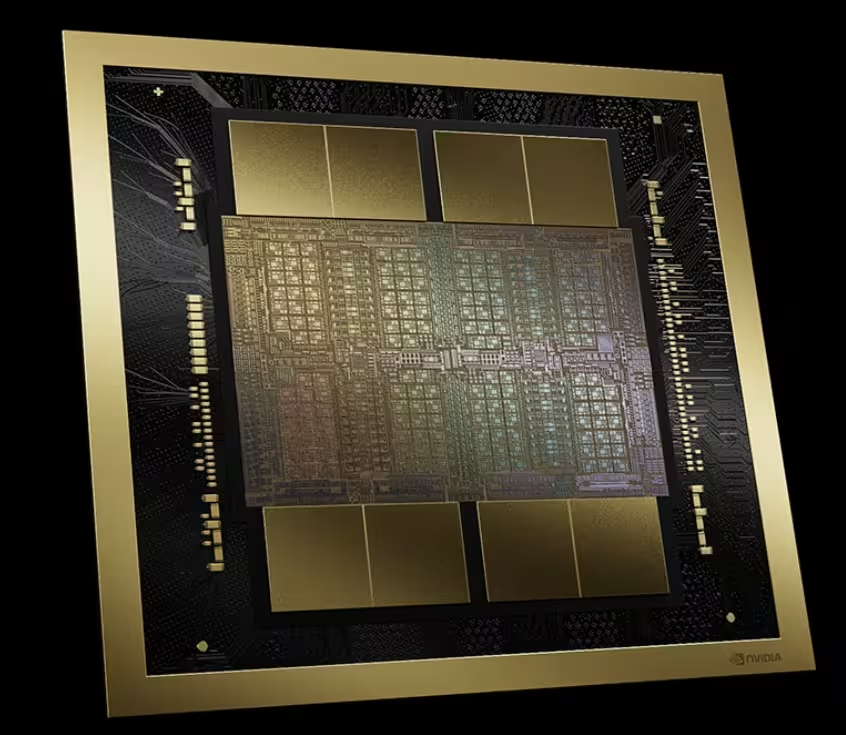
Nvidia and other GPU makers still base core AI math on electronic circuits. Nvidia is incorporating photonics to speed inter-chip communication, but the arithmetic itself is done by electrons. Neurophos aims for true optical computation, where photons carry out the core matrix operations used in neural networks. If successful, that could change the power-performance tradeoffs datacenters wrestle with today.
- Faster switching speeds: photons can toggle states more quickly than electrons, enabling higher clock-like rates for certain operations.
- Lower heat generation: less waste heat reduces cooling needs and improves energy efficiency for large-scale inference or training systems.
- Denser compute fabric: a single, large optical matrix may simplify data movement on-chip compared with many distributed cores.
Reality check: big hurdles remain
Bold claims aside, Neurophos faces years of engineering work before mass production. Optical components behave differently from transistors, and software toolchains, compilers, and validation suites must be rebuilt or adapted. Integration with existing datacenter ecosystems and reliability testing at scale are nontrivial. So while the tech is promising, it isn't an imminent replacement for mainstream GPUs.
Still, the Gates Frontier Fund backing and industry chatter — first reported by Tom's Hardware — show a growing appetite for alternatives to silicon-limited scaling. Imagine energy-hungry inference racks replaced by compact optical modules that cut electricity bills and heat output: it may sound futuristic, but startups like Neurophos are nudging that future closer.
Who wins the chip race?
Nvidia remains the dominant player and will likely lead the market for years thanks to ecosystem maturity, software support, and manufacturing scale. But optical computing could become a strong complementary technology: specialized optical accelerators for inference or certain large-matrix workloads, coexisting with electronic GPUs for general-purpose training and compatibility. The real question is less whether Nvidia falls now and more how the AI hardware landscape evolves — with photonics potentially reshaping performance and power metrics over the next decade.











Leave a Comment
Comments
No comments yet. Be the first.