
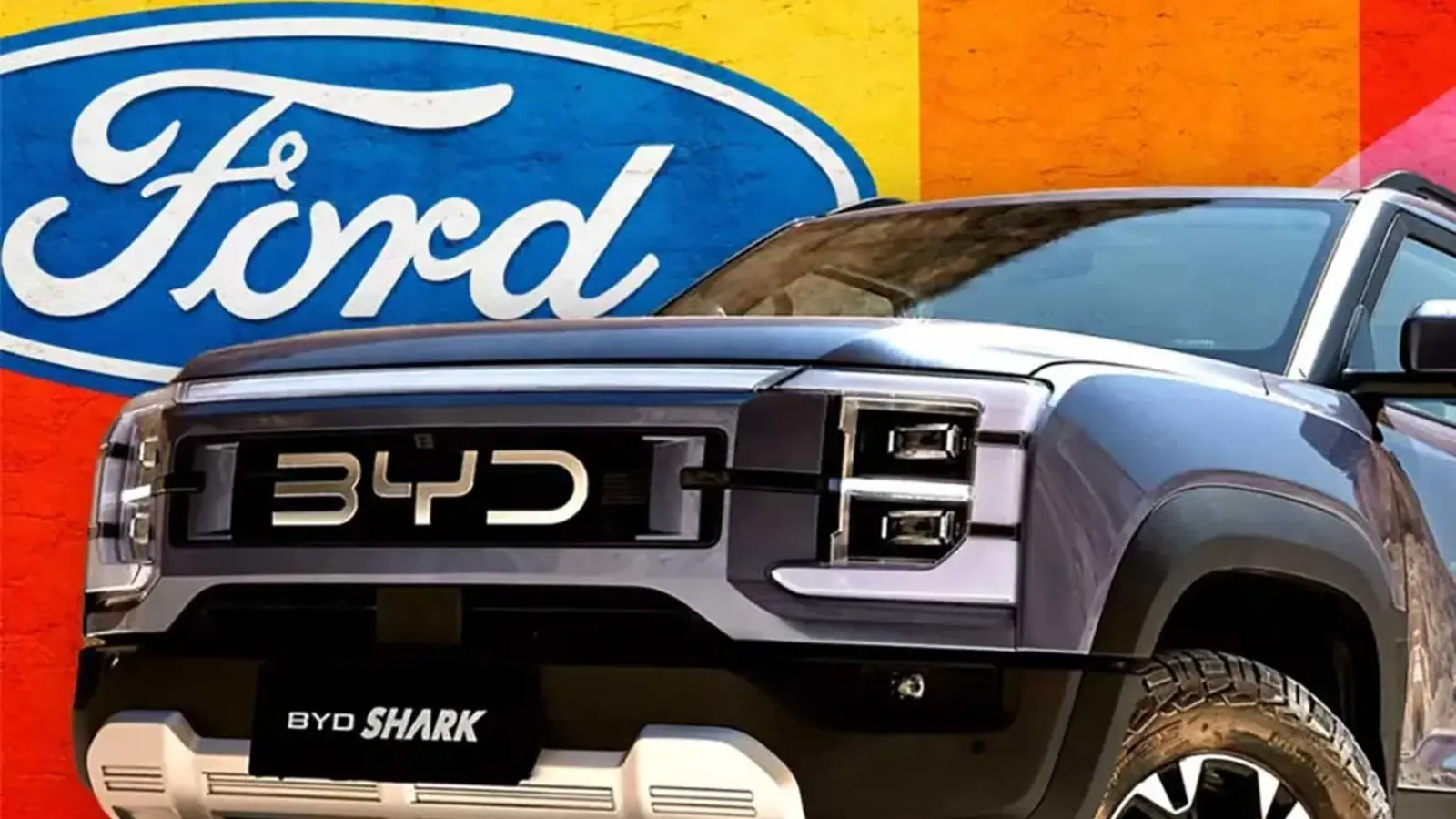
Ford in talks with BYD as strategy pivots to hybrids
Ford is reportedly holding initial negotiations with Chinese automaker BYD to secure battery packs for its next generation of hybrid models. The move comes as Ford scales back spending on full battery-electric vehicle (BEV) programs but stops short of abandoning electrification entirely. According to reports, one option under consideration is importing BYD-made batteries for use in Ford plants outside the United States.
Why BYD?
BYD has rapidly become a heavyweight in electric and hybrid vehicle manufacturing and battery-pack production—recently surpassing Tesla in global EV output. For Ford, sourcing cells or complete battery modules from BYD would be a pragmatic way to simplify the supply chain and accelerate the rollout of hybrid powertrains without building new battery factories or reviving failed joint ventures.
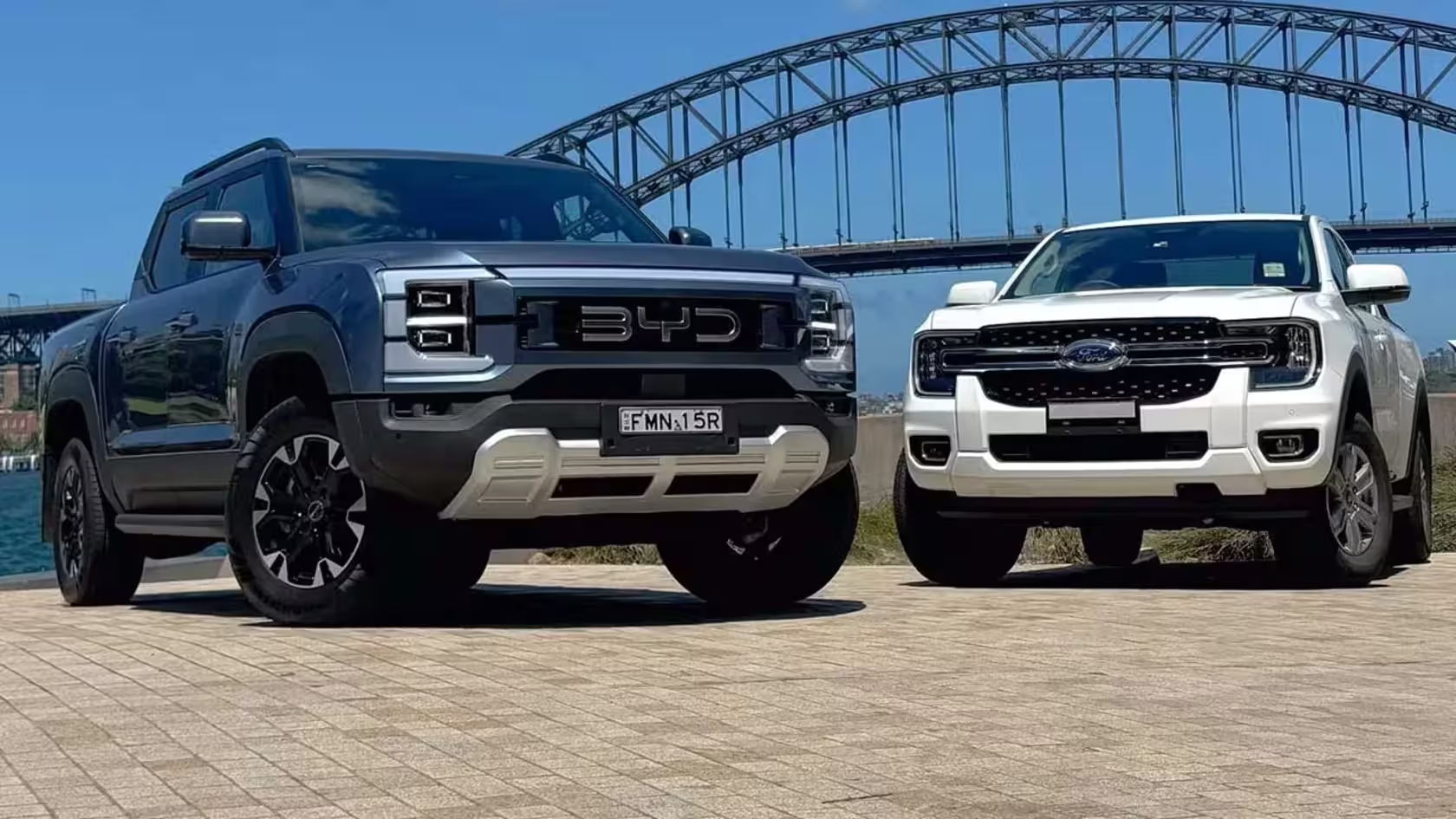
Ford’s cautious public response followed the report: "We talk to many companies about many things," a succinct statement that neither confirmed nor denied the negotiations.
Strategic context
The timing aligns with a broader internal shift at Ford. After cutting budgets and shelving several BEV programs—and writing down about $19.5 billion following cancelled partnerships with suppliers such as LG—Ford appears intent on leaning into hybrids as a cost-effective path toward its electrified sales targets. The company still aims for EV and hybrid vehicles to represent roughly 50% of its sales by 2030, and buying batteries externally could be a faster route to that goal.
Highlights:
- BYD: expertise in hybrid systems and battery-pack integration
- Ford: shifting focus from full BEVs to hybrids to manage costs
- One option: importing BYD batteries for non-U.S. plants
Political reaction and trade sensitivity
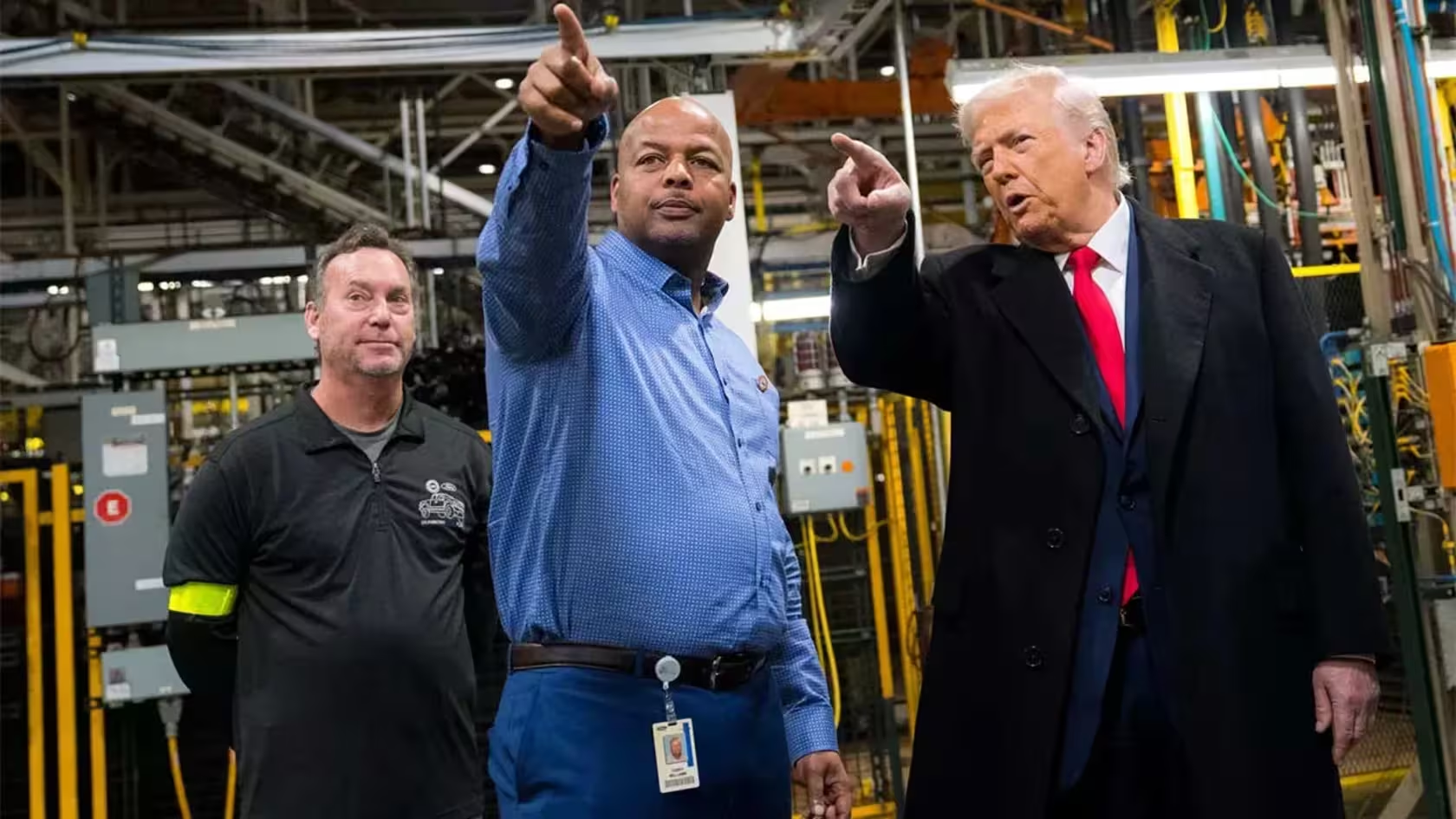
Any agreement with a major Chinese supplier is likely to draw political scrutiny. Peter Navarro, a senior adviser to former President Trump, reacted strongly on social media—warning that Ford would be strengthening a Chinese rival's supply chain and increasing its own exposure. At the same time, former President Trump offered a more nuanced public stance in Detroit, saying he would welcome foreign automakers to build plants in the U.S. provided they hire American workers.
What this means for Ford models
While specific vehicle applications haven't been announced, sourcing proven BYD battery technology could influence Ford's upcoming hybrid line-up in areas such as:
- Packaging and battery density, potentially allowing for longer electric-only ranges on plug-in hybrids
- Cost structure, lowering per-vehicle battery expense
- Time-to-market for refreshed or all-new hybrid variants
Outlook
Until contracts are signed, this remains early-stage dialogue. Still, the talks signal Ford's willingness to reassess its supply chain and partner beyond traditional Western suppliers to meet electrification targets. For car buyers and industry watchers, the development underscores how competitive pressures and cost realities are reshaping where automakers source critical EV and hybrid components.
"We talk to many companies about many things," Ford said—an understated line that may presage a notable shift in how a legacy American carmaker secures batteries for the road ahead.


Leave a Comment
Comments
No comments yet. Be the first.