
3 Minutes
Lanzador EV shelved: what Lamborghini decided and why
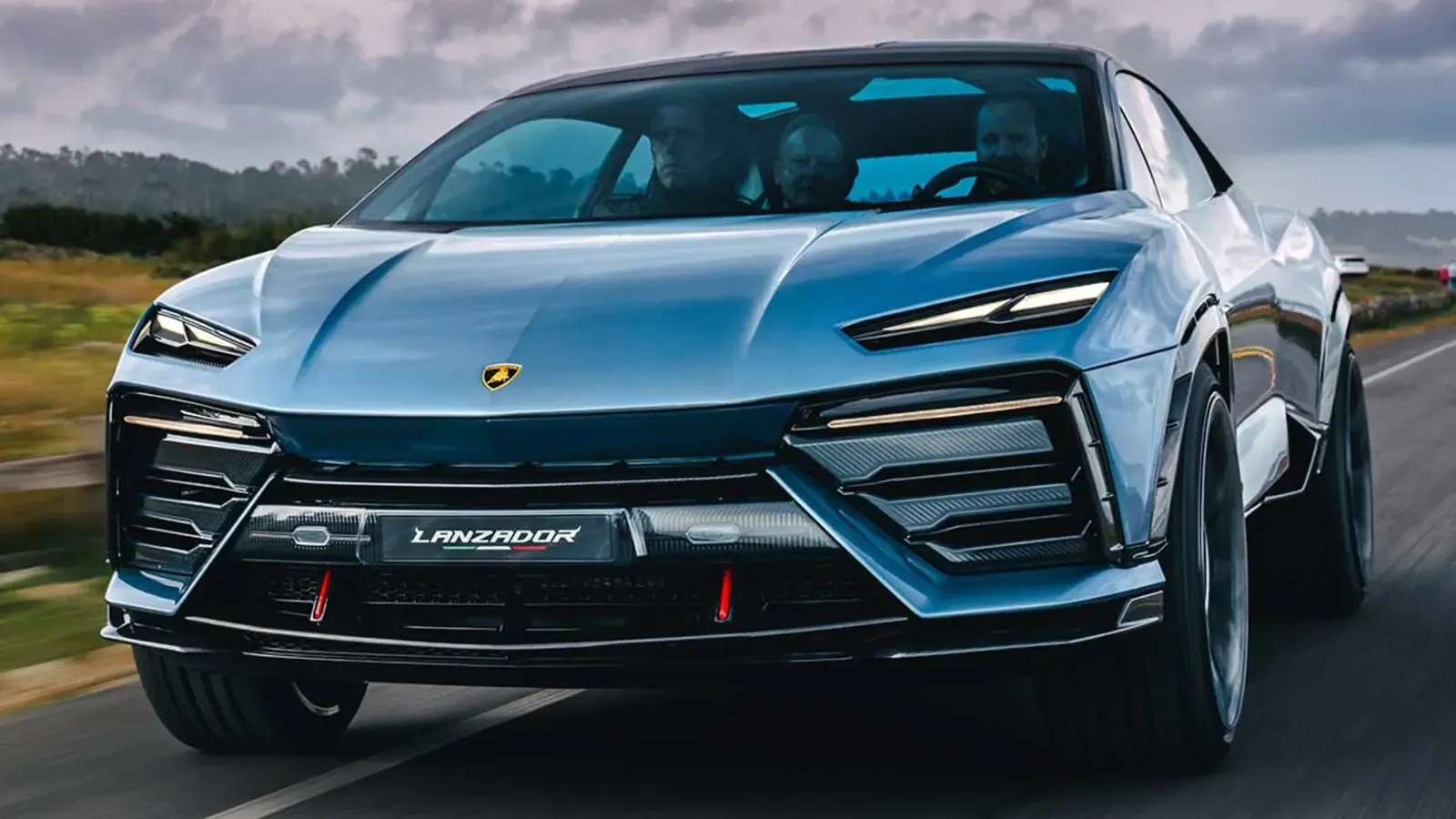
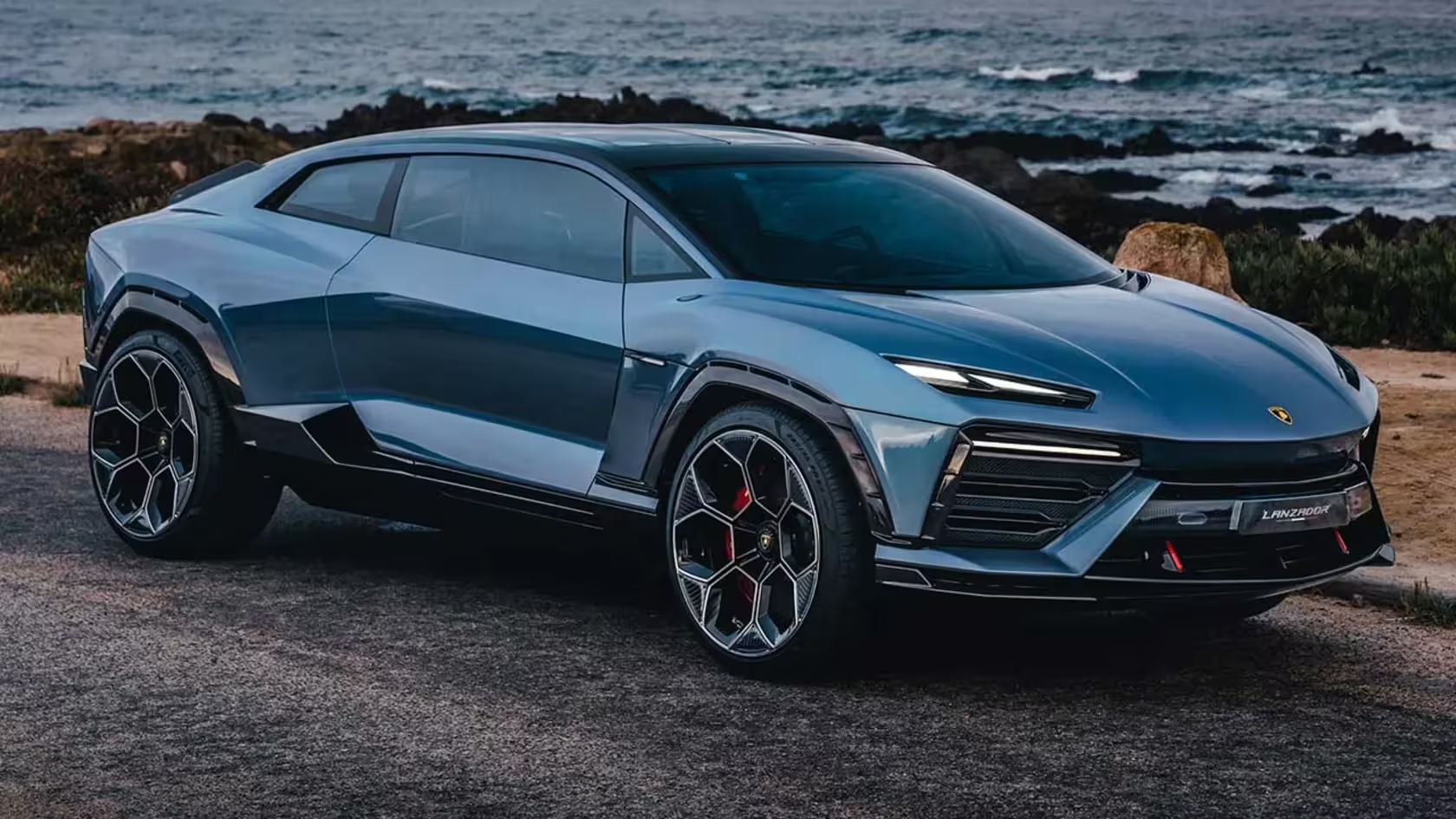
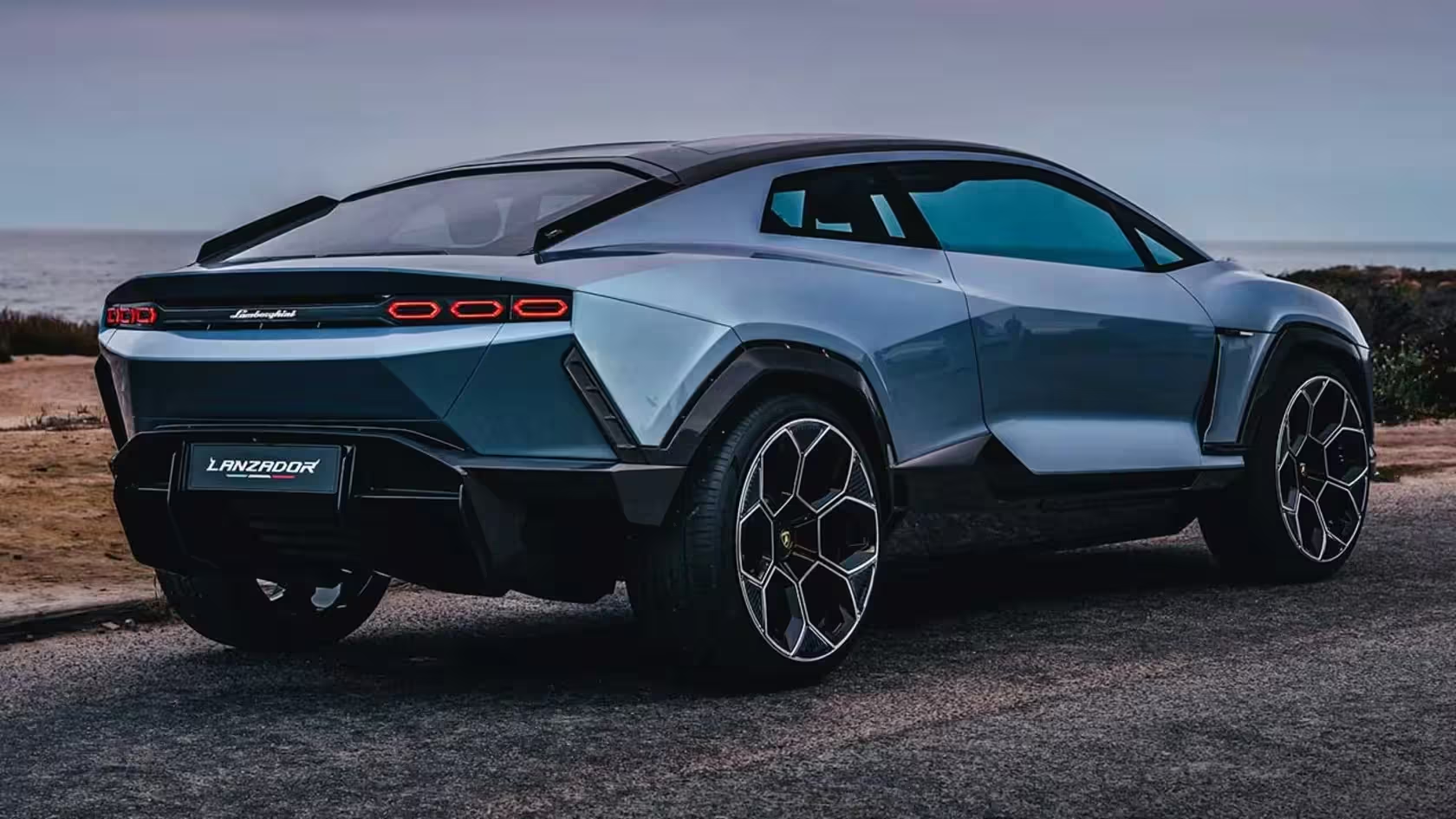
Lamborghini has pulled the plug on the Lanzador — the Italian marque's planned all‑electric 2+2 crossover previewed by the striking 2023 concept. Instead of moving ahead with full electrification, Sant'Agata Bolognese will concentrate on plug‑in hybrid (PHEV) models through 2030. The decision reflects a calculated response to customer feedback, dealer input and market analysis: Lamborghini buyers still prize the sensory drama of combustion engines, above all the roar of a V8 or V12.
From concept to cancellation
The Lanzador concept had generated buzz as Lamborghini's first serious push toward a BEV (battery electric vehicle) in a high‑profile segment — a 2+2 crossover that could broaden the brand's customer base. Yet that halo concept will not translate into a factory model anytime soon. Company CEO Stephan Winkelmann confirmed the EV will be replaced in the roadmap by another plug‑in hybrid product, arguing that a full bet on battery‑only vehicles could prove an expensive mistake while customer acceptance remains minimal.
Why hybrids, not pure EVs?
Winkelmann and Lamborghini’s leadership say the brand is pursuing a pragmatic electrification path: retain the emotional and acoustic identity linked to internal combustion while improving efficiency and emissions through electrified drivetrains. In short, in Lamborghini’s view, electrification is welcome — but only when it amplifies the soundtrack of a naturally aspirated engine or a roaring turbocharged unit, not when it replaces it.
Key points from the company's position:
- Extensive customer and dealer consultations influenced the strategy.
- Market analysis indicated limited appetite among core buyers for silent BEVs.
- The Urus SUV — Lamborghini’s best‑selling and financially critical model — will not be risked with a premature full‑EV conversion.
Urus EV also postponed
Plans to introduce an all‑electric Urus in 2029 have also been shelved. Given Urus’s role as the brand’s sales backbone, Lamborghini decided it could not jeopardize the model’s commercial strength by forcing an EV that customers might not embrace. While supercars deliver high margins, their volumes are limited; the Urus, by contrast, serves a broader and steadier market that underpins the company's financial health.
What this means for Lamborghini’s lineup
Right now, Lamborghini’s entire portfolio — from the Urus SUV to flagship supercars — has moved toward hybridization rather than full electrification. The hybrid route appears to be paying off: Sant'Agata posted a record year, selling 10,747 cars, demonstrating that buyers respond positively to a balanced mix of performance and electrified tech.
“Never say never,” Winkelmann added when asked whether Lamborghini might build a pure EV in the future. “Only when the time is right. For the foreseeable future: plug‑in hybrids.”

Market perspective
Lamborghini’s choice illustrates an important dynamic in the luxury performance segment: brand DNA, driver emotion and sound still matter. For enthusiasts and collectors, these intangible elements can outweigh the environmental or technical appeal of a silent EV. Lamborghini is therefore prioritizing product strategies that protect its emotional core while meeting regulatory and market pressures through hybridization.
Highlights:
- Lanzador EV cancelled; replaced in roadmap by PHEV
- Planned Urus BEV for 2029 postponed
- Lamborghini focuses on hybrids through 2030 while monitoring BEV readiness
For now, expect future Lamborghinis to blend electrified assistance with the combustion sound and performance that define the brand — until battery technology and customer demand align more closely with the Sant'Agata vision of an electric supercar.


Leave a Comment
Comments
No comments yet. Be the first.