

4 Minutes
Bitcoin price stabilizes as channel support holds
Bitcoin (BTC) is showing signs of stabilization as it tests the lower boundary of a well-defined multi-timeframe channel. After an extended corrective phase, price action is consolidating near channel support, and a developing three-drive pattern on lower timeframes suggests the potential for a short-term relief bounce — provided the setup is confirmed by a decisive market structure break.
Key takeaways
- BTC remains within a large channel, trading close to the channel low support.
- A potential three-drive pattern is forming, pointing to possible seller exhaustion and renewed demand.
- Confirmation requires a market structure break through the sequence of lower highs.
Context: corrective phase inside a structured channel
Bitcoin’s recent decline has unfolded within an orderly channel rather than an impulsive collapse. This distinction matters for traders: channel boundaries often act as reliable zones for mean reversion, where price oscillates between resistance at the channel top and support at the channel bottom. Currently, BTC is testing the lower channel support, a zone that historically draws buying interest when downward momentum weakens.
Trading within a channel implies that while the broader bias can remain bearish, downside is frequently limited near the lower boundary unless sellers re-accelerate. For crypto market participants focused on BTC price action, that makes the channel low a high-probability area to monitor for demand absorption and potential short-term reversals.
Three-drive pattern: what’s developing
On the shorter timeframes, price action is beginning to resemble a classic three-drive pattern: three consecutive moves toward the same support region, each with decreasing momentum. In Bitcoin’s case, price has traced three distinct declines and reactions into the channel low, with each subsequent drive failing to push significantly lower.
This sequence often indicates seller exhaustion and the gradual return of buyers into the market. The pattern suggests that participants are defending the same support area more aggressively, which reduces the likelihood of immediate further downside. However, a three-drive structure is a potential reversal signal — not a guarantee; it requires confirmation to be tradable with acceptable risk.
BTC chart reference
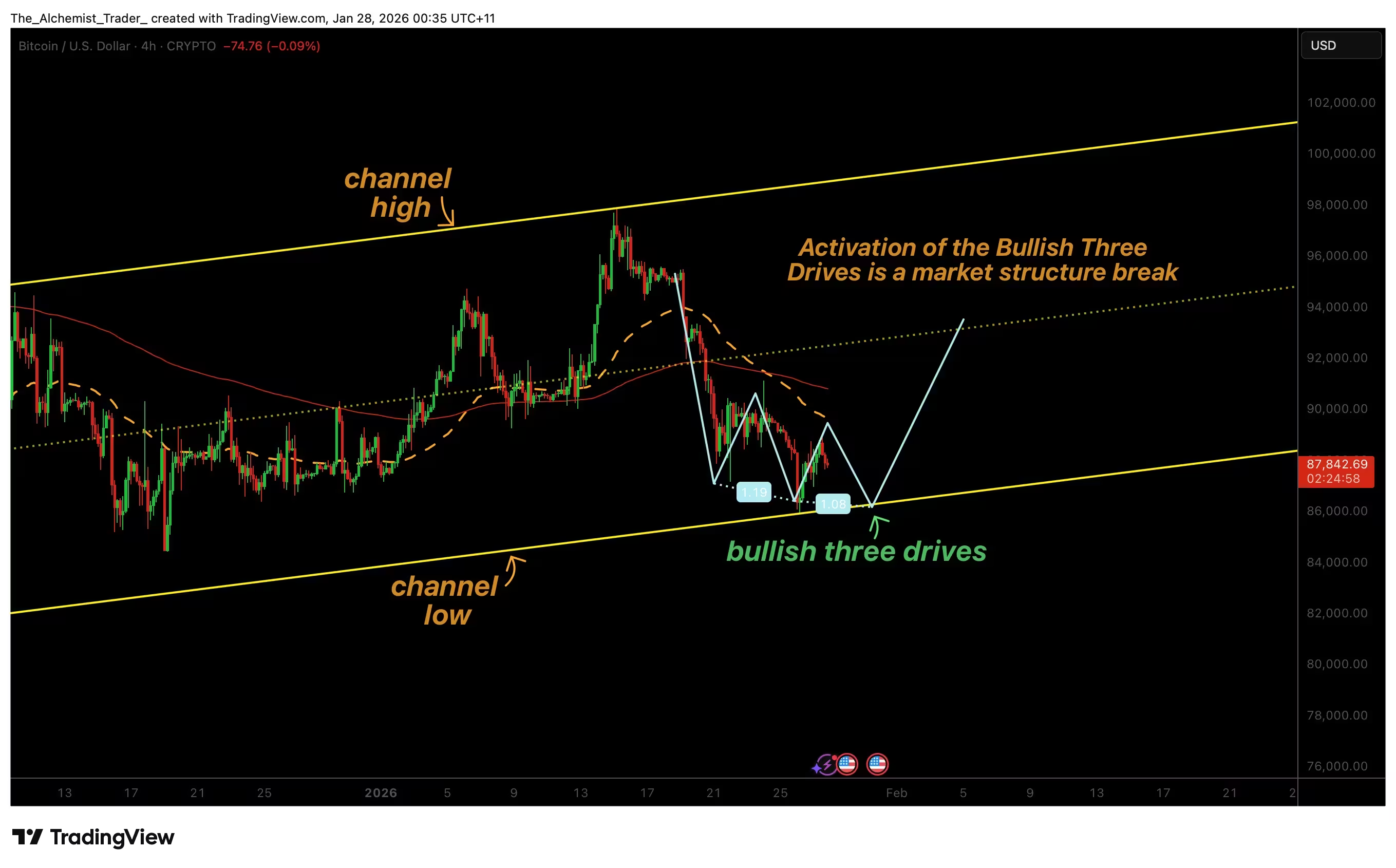

BTCUSDT (4H) Chart
Why confirmation is essential
For the three-drive setup to be actionable, price needs to break the local market structure. That typically means reclaiming a prior lower high and trading with acceptance above that level. Without this structure break, the prevailing sequence of lower highs remains intact and rallies are vulnerable to being sold into by bears.
Traders should therefore treat the current pattern as a developing opportunity rather than a free pass to front-run a reversal. Waiting for confirmation — a clean break of resistance and subsequent retest or consolidation — reduces the risk of a false signal that results from a short-lived spike.
Higher-timeframe bias remains cautious
From the perspective of longer timeframes, Bitcoin is still facing downward pressure. Rally attempts have been met with selling, keeping the higher-timeframe outlook cautious. The three-drive pattern, even if confirmed, is more likely to produce a relief bounce within the channel rather than an immediate trend reversal.
A confirmed structure change would, however, increase the probability of a rotation to mid-channel resistance or prior horizontal supply zones. Such a move would allow BTC to rebalance after prolonged selling and could attract short-term momentum traders looking for a trade within the channel bounds.
Upside scenarios if pattern confirms
- Targeting mid-channel: The most probable objective for a relief bounce is the channel midpoint or recent resistance levels where sellers previously pressured price.
- Trend still intact? A successful bounce doesn’t automatically flip the long-term bias; it merely signals short-term demand supremacy.
- Opportunities for traders: Confirmed structure breaks open potential scalp and swing setups with defined invalidation points beneath the channel low.
What traders should watch next
- Acceptance above the most recent lower high: This validates the market structure break and activates the three-drive setup.
- Volume and orderflow at the channel low: Increased buying volume on rebounds supports the exhaustion thesis.
- Reaction to mid-channel resistance: How BTC behaves at the midline will clarify whether the bounce is corrective or the start of broader accumulation.
Risk management and final thoughts
While the developing three-drive pattern near channel support is a constructive technical sign for those watching BTC price, risk remains elevated until confirmation occurs. Traders should use clear stop-loss levels, size positions responsibly, and avoid preemptive entries without a validated structure break.

In summary, Bitcoin is in a technically sensitive area: a potential three-drive pattern is forming near channel low support, signaling buyer interest and possible seller fatigue. Confirmation via a market structure break would increase the odds of a short-term relief bounce, likely targeting mid-channel resistance. Until that break is seen and accepted, the broader bearish structure and sequence of lower highs preserves a cautious market outlook for BTC and the wider crypto market.













Leave a Comment
Comments (2)
Is that three-drive for real or just wishful thinking? charts look neat but the lower highs still matter. need a clean break, otherwise trap imo
holding the channel low, huh… would love a bounce but pls let it be confirmed. three-drive looks tasty, just watch volume and set stops, don't front-run it