
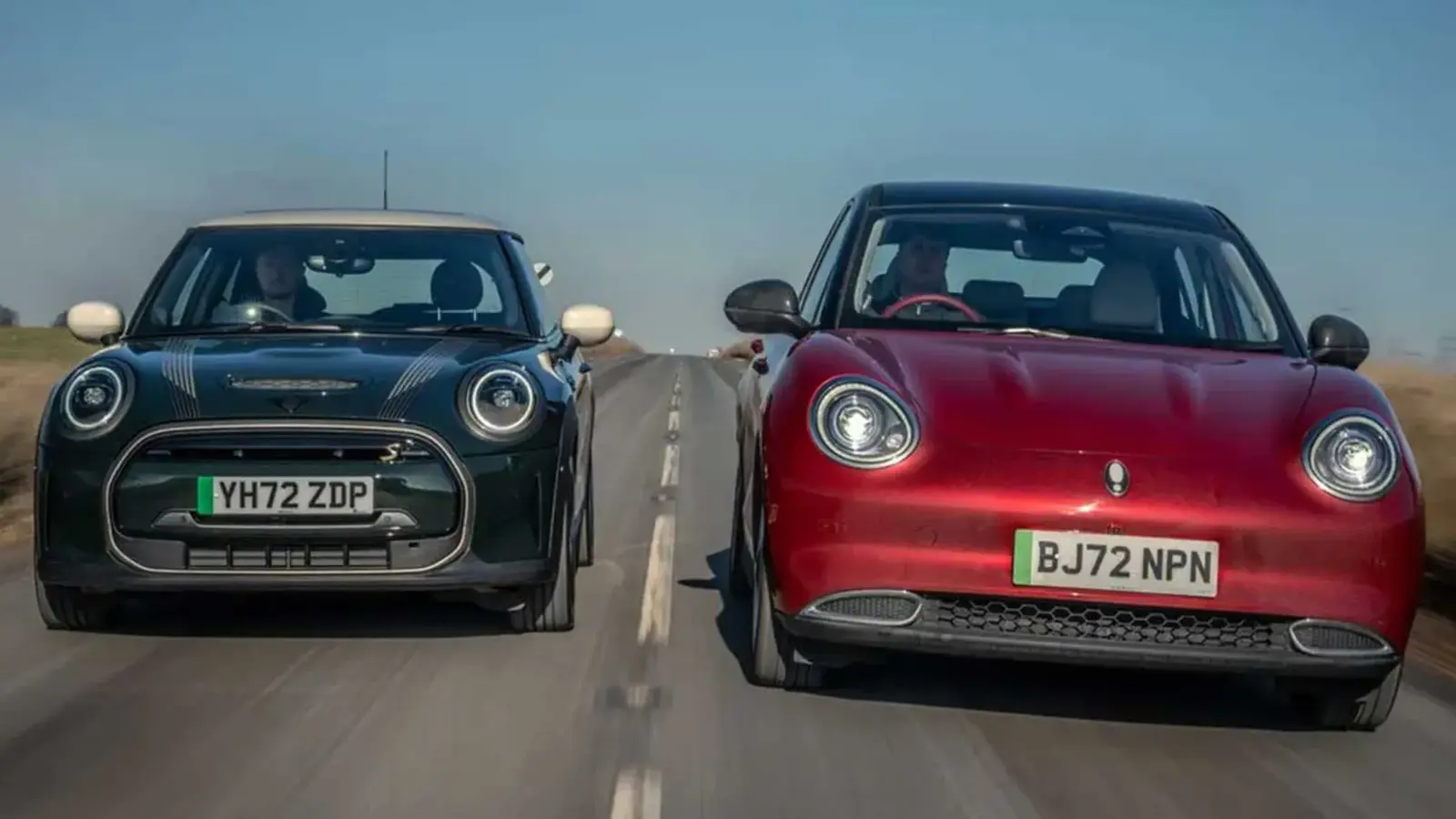
EU plans major policy shift on Chinese electric cars
After a year and a half of heavy duties and rising trade friction, the European Union is exploring a new approach to limit the disruptive impact of low-priced Chinese electric vehicles (EVs). Instead of the punitive tariffs — some calculated up to around 45% depending on assessed Chinese state support — Brussels is proposing a system that sets a minimum import price for cars coming from Asia.
How the minimum price would work
Under the draft framework from the European Commission, Chinese automakers would submit price proposals demonstrating that their offers neutralize the market-distorting effects of government subsidies. The goal: replicate, in effect, the price outcome tariffs targeted to achieve, but without directly levying duties at the border. Regulators will also weigh non-price factors such as planned future investments and manufacturing commitments in the EU when assessing proposals.
Why Brussels is shifting away from tariffs
Tariffs were intended to protect European brands by making imported EVs less price-competitive. In practice, the levies provoked a swift backlash. China retaliated with levies on certain European exports — including dairy, meat and alcoholic drinks — escalating a trade standoff. The blanket tariff approach also had unintended consequences: European-built models produced in China, like the BMW iX3 exported back to Europe, were hit by the duties. Volvo even shifted production of its EX30 from China to Belgium to avoid the penalties.
The minimum-price idea aims to reduce bilateral tensions while preserving a level playing field for automakers manufacturing inside Europe. By removing formal tariffs, the mechanism could ease political strains but still raise the final price of imports to offset subsidies.
Market context: Chinese brands keep gaining ground
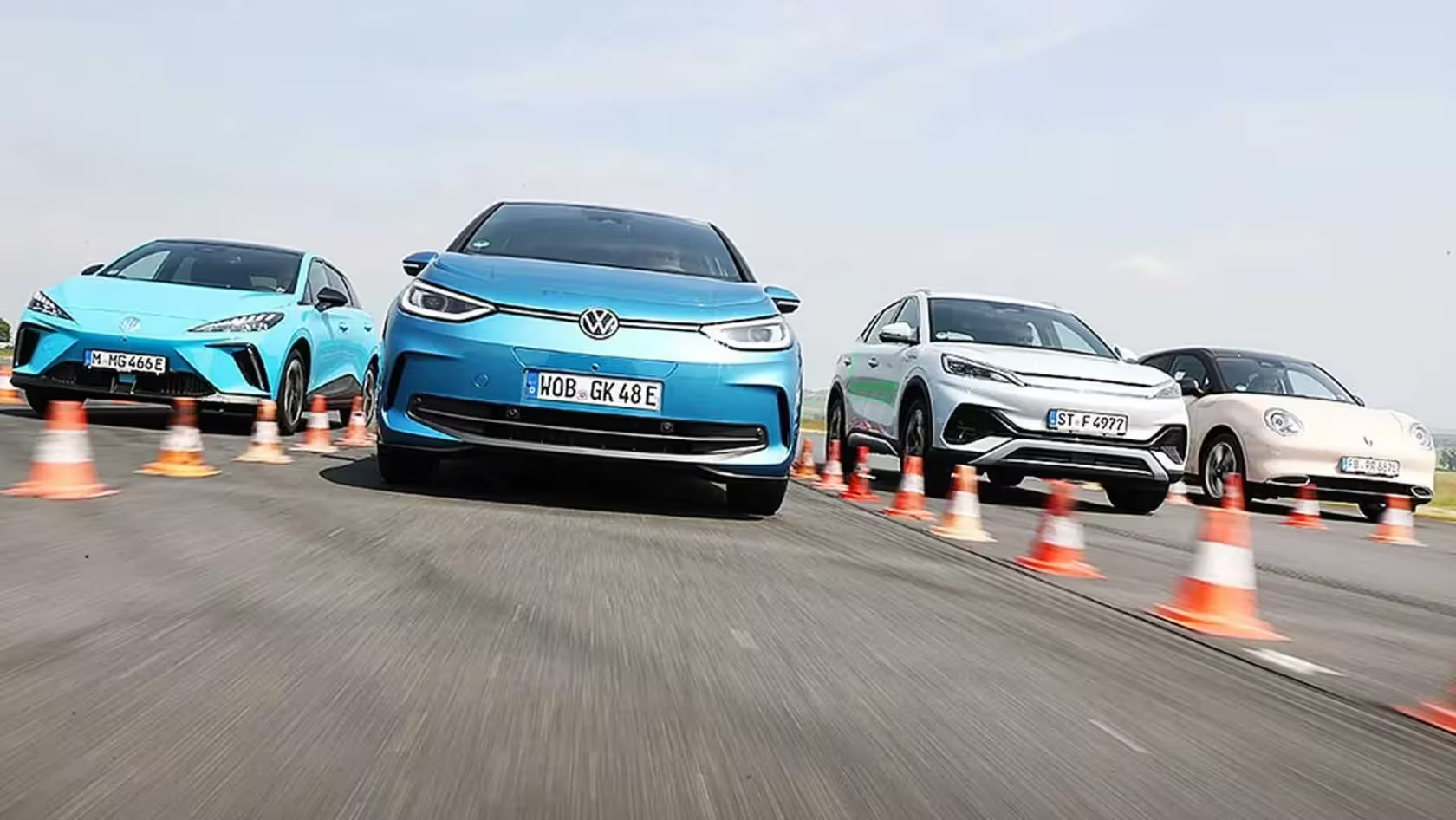
Even with tariffs in place, Chinese manufacturers have steadily expanded their foothold in Europe. Battery-electric and hybrid models — especially hybrids that weren’t initially covered by the tariffs — have been popular. Chinese market share in Europe rose from roughly 2.5% of total sales in 2024 to about 7% by the end of last year. In 2025, nearly one in ten cars sold in the UK carried a Chinese badge. Brands such as BYD and Chery are competing on range, tech features and aggressive pricing, forcing legacy automakers to respond on both product and cost fronts.
What this means for consumers and manufacturers
Pros:
- Reduces the risk of a prolonged tariff war and trade retaliation.
- Gives EU-based manufacturers a clearer safeguard against subsidized price dumping.
- Encourages foreign brands to commit to local investment and production.
Cons:
- European buyers may lose access to the deeply discounted EV price points Chinese brands previously promised.
- Administrative complexity: setting and policing minimum prices across many models and configurations will be a regulatory challenge.
For car enthusiasts and industry watchers, the proposal is as much about geopolitics as it is about vehicle specs. Chinese EVs have pressured incumbents not only on price but also on features — long range, fast charging, advanced infotainment — making competition tougher on the dimensions that buyers care about.
What to watch next
The Commission will continue consultations before deciding whether to scrap tariffs in favor of a minimum-price scheme. Automakers, dealers and consumer groups will all lobby hard. If adopted, the measure could reshape pricing dynamics in the European EV market while nudging some Chinese players to invest more locally.
In short: the EU appears intent on protecting domestic production without outright closing the door to imports — but European buyers should expect fewer bargain-basement EV deals if the plan goes ahead.

Leave a Comment
Comments
No comments yet. Be the first.