
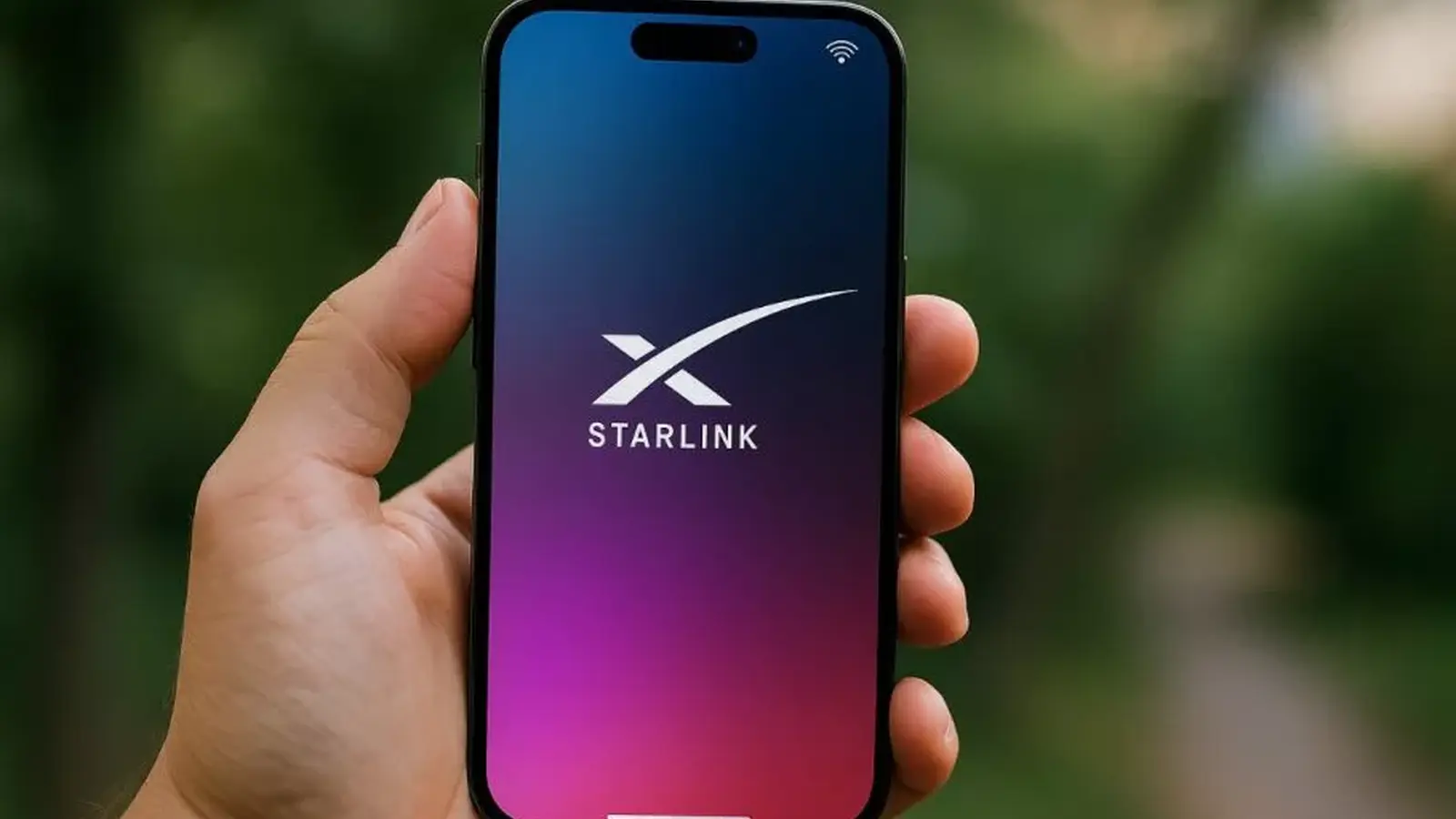
Picture this: you're miles from the nearest cell tower, a trail winds into silence, and your phone—usually a lifeline—goes dark. That scenario might become rare if whispers between Apple and SpaceX turn into a deal. Sources say Apple is negotiating to bring Starlink's Direct-To-Cell technology to the next-generation iPhone, starting with the iPhone 18 Pro and Pro Max.
Direct-To-Cell is simple in concept but radical in impact. Instead of a phone talking to a distant terrestrial mast, it talks straight to a satellite. No bulky add-ons. No awkward rooftop dishes. The new Starlink satellites—SpaceX's second-generation hardware—are built for higher capacity and lower latency, and they can reach handsets directly. For users stuck outside coverage maps, that's a lifeline.
Apple already uses satellite partners for emergency messaging, relying on Globalstar for SOS features. But sources close to the matter say that relationship has cooled, and Apple is hunting for something more robust. Starlink's expanding constellation and recent FCC approvals to launch thousands of Gen2 satellites give SpaceX the scale and technical chops to be that partner.
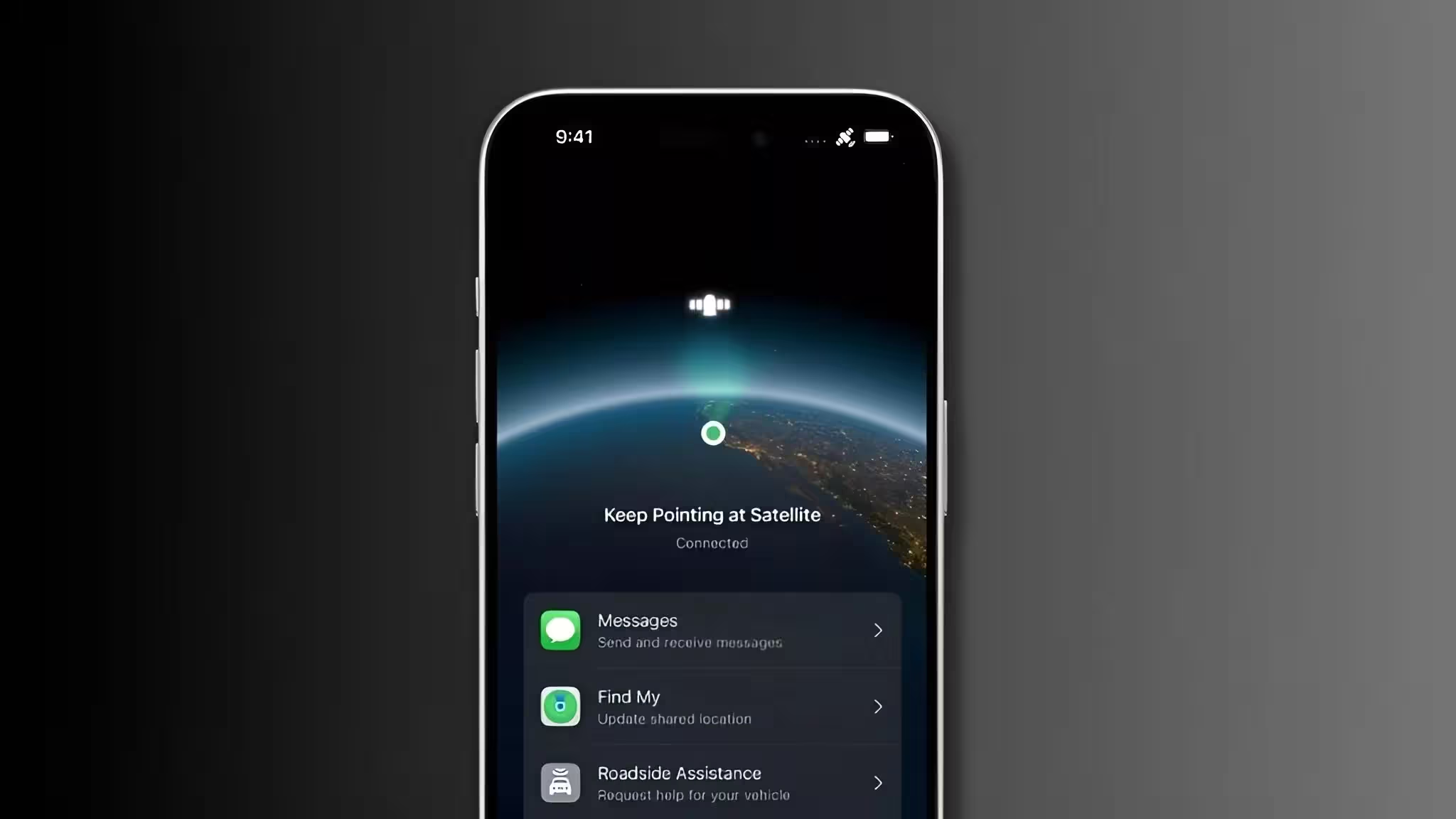
Here's the practical bit developers and enterprise teams will care about: Apple is reportedly planning to expose a developer API so apps can integrate satellite connectivity directly. Imagine disaster-response apps, mapping tools, or messaging services seamlessly switching to satellite links when cellular or Wi‑Fi vanish. That opens up new use cases—not just occasional emergency messages, but reliable data paths in remote locations.
If finalized, the iPhone 18 Pro would be Apple's first device capable of sustained, direct satellite internet without extra hardware.
There are hurdles. Spectrum coordination, handset antenna design, regulatory approvals—these are nontrivial engineering and policy obstacles. SpaceX has been aggressive about launching its Gen2 satellites and securing FCC permissions, but integrating satellite radios or firmware into a consumer smartphone at scale is a delicate task. Power, thermal constraints, and certification across dozens of countries all matter.
Still, the timing is notable. Apple typically unveils next-generation iPhones in September. The iPhone 18 Pro is slated for a September 2026 reveal, and if talks close beforehand, we could see the first mainstream smartphone with direct satellite internet reach consumers. For remote workers, adventurers, and anyone who has ever cursed a dropped call in the wild, that's more than a novelty—it's a shift.
Will Apple make satellite internet a headline feature or a quietly baked-in capability? Will developers embrace new APIs and build genuinely useful satellite-aware experiences? The technical pieces are falling into place. The rest will depend on how boldly Apple and SpaceX choose to change the rules of mobile connectivity.

Leave a Comment
Comments
No comments yet. Be the first.