
4 Minutes
Digital Ferrari? No — an Alfa Romeo hypercar emerges in CGI
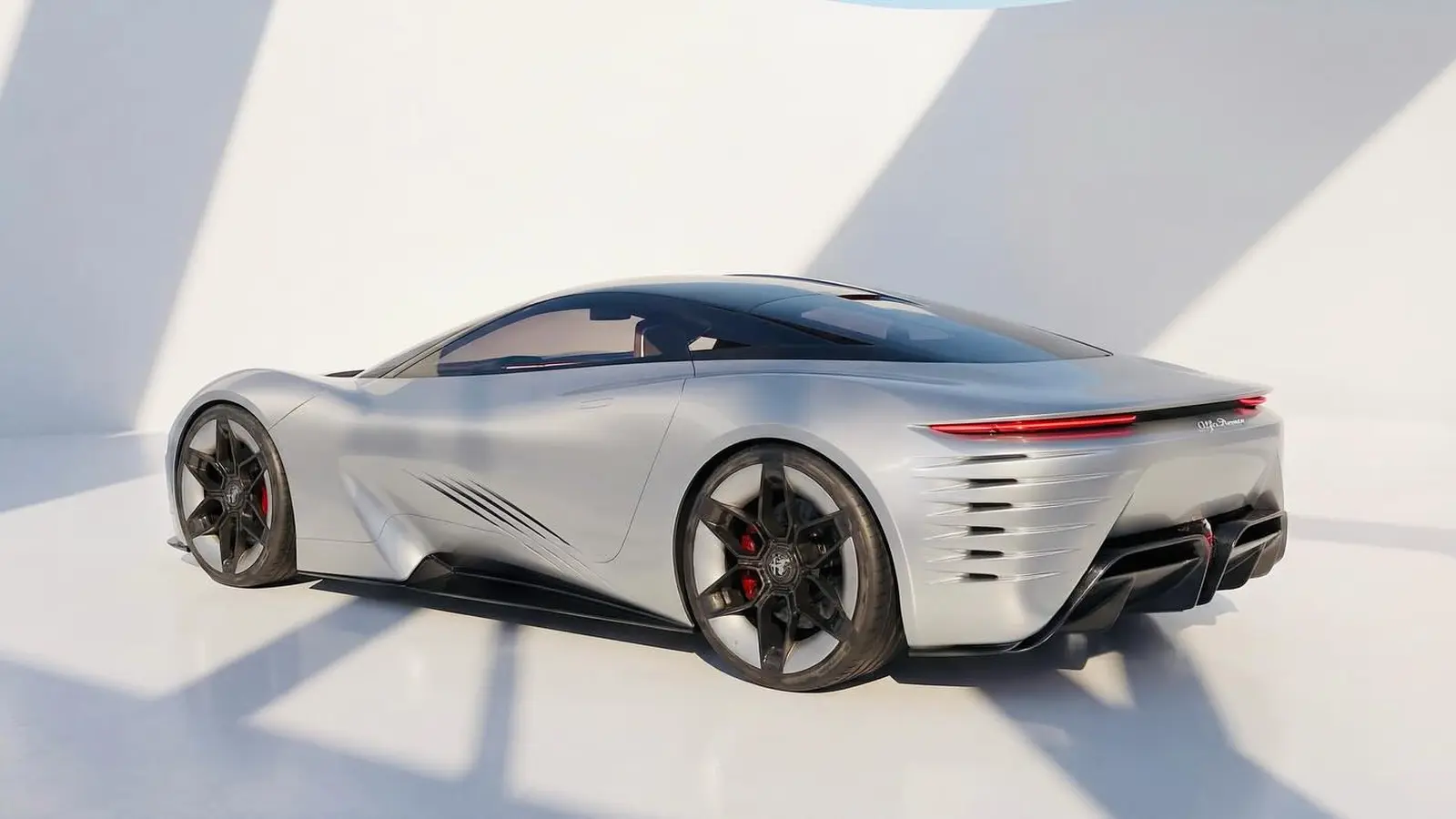
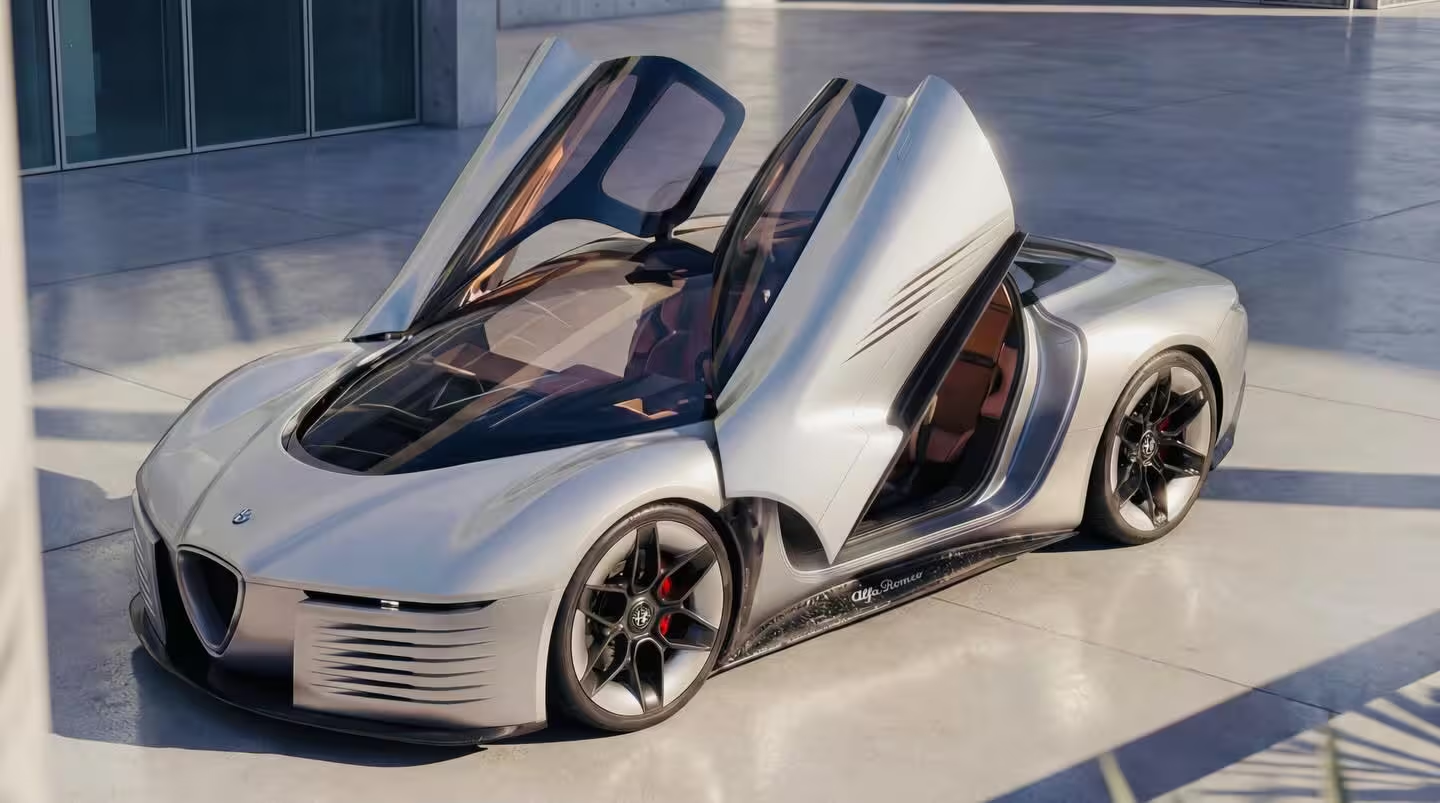
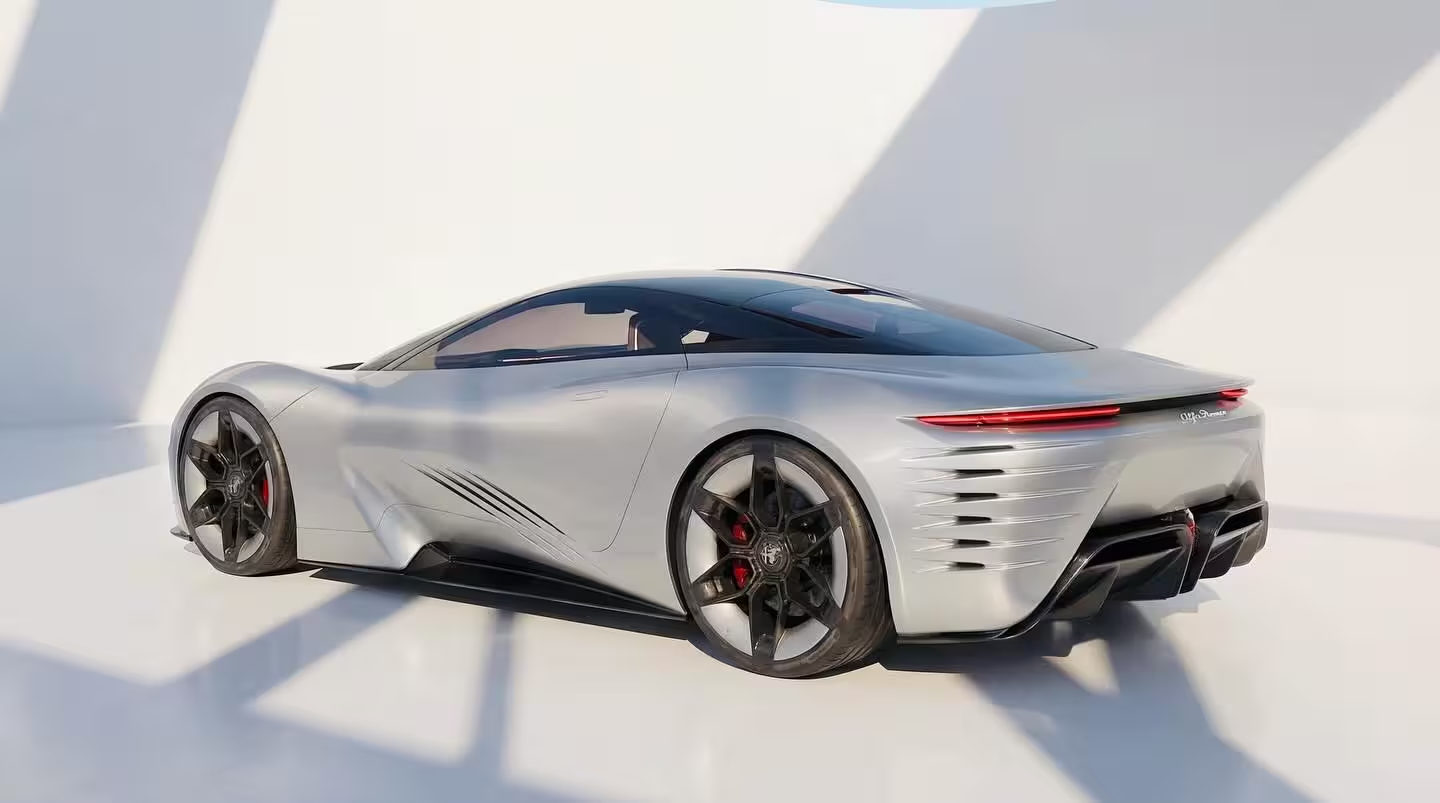
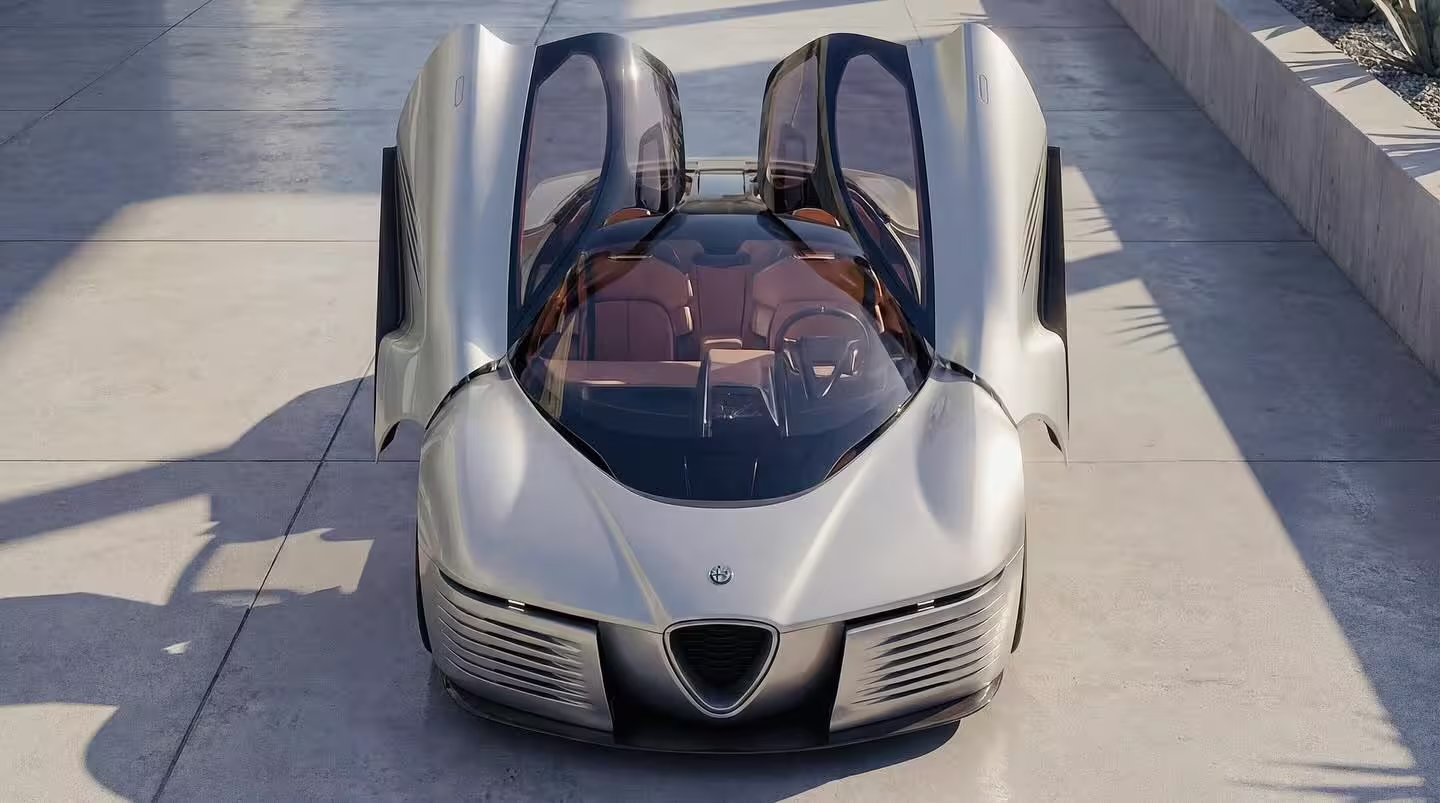
A striking digital study that channels Alfa Romeo's racing soul has surfaced online, and it's already being compared to the likes of Pagani, Koenigsegg and Bugatti. Crafted by UK-based designer Max Shkinder (formerly of McLaren), the render imagines a potential flagship Alfa Romeo hypercar: aggressive proportions, butterfly doors and a unmistakable scudetto grille make the badge easy to read even without explicit credit.
The timing of the concept is telling. Alfa Romeo's sales have been uneven globally—struggling in the United States while performing strongly across parts of Europe, boosted by the new entry-level Alfa Romeo Junior crossover. Against that backdrop, a halo car concept taps into two currents: brand mystique and the debate over whether premium marques should chase head-turning supercars or focus on volume models that shore up the bottom line.
What the CGI shows — and what it doesn’t
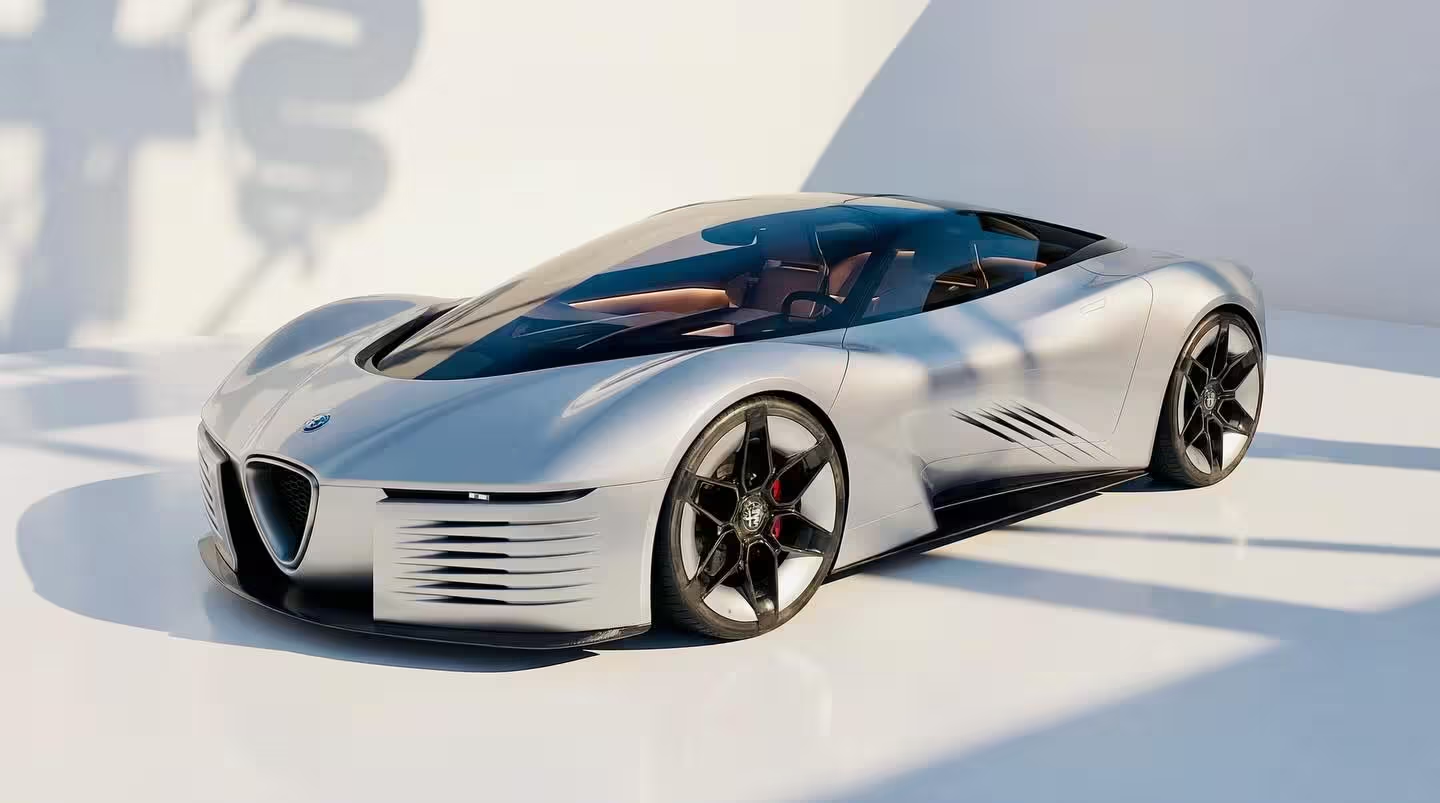
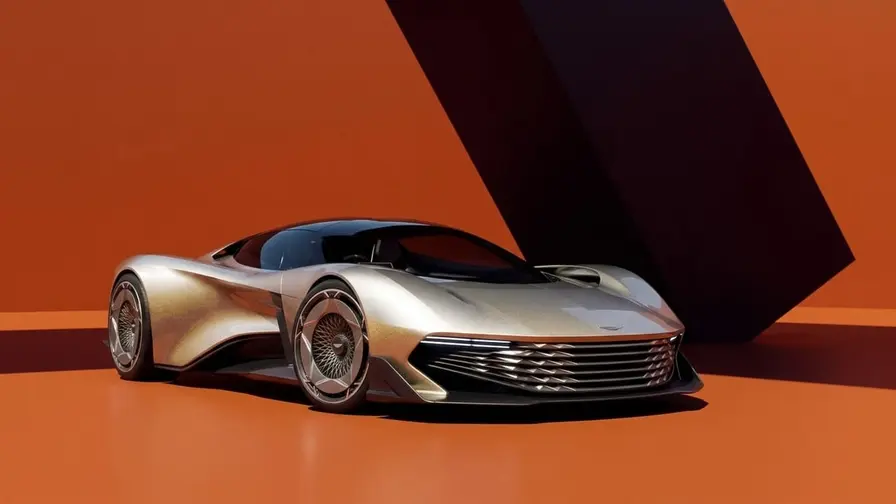
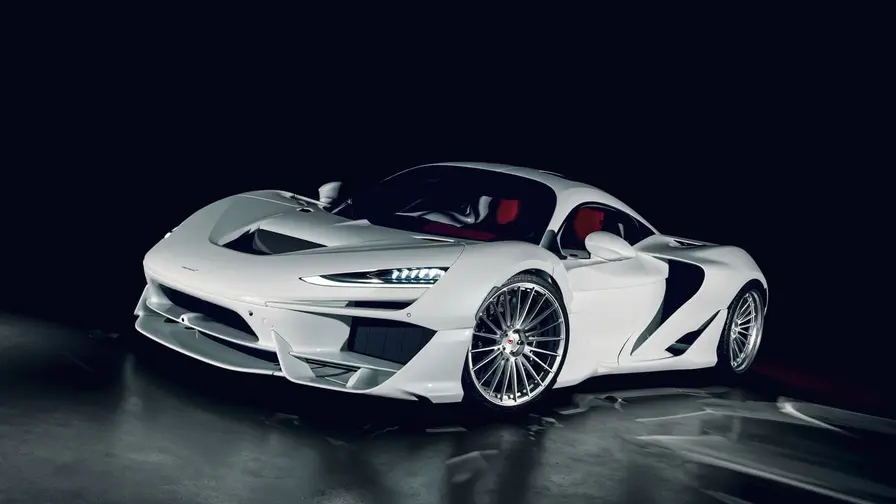
Shkinder’s images present a low, sculpted silhouette and a design language that nods to the 33 Stradale while raising the aggression meter. Key visual elements:
- Prominent Alfa “scudetto” nose integrated into a sharply contoured front end
- Large intakes and aerodynamic sculpting that suggest downforce-focused bodywork
- Butterfly doors and a mid-engine stance implied by rear proportions
- Carbon-fiber surfaces and exposed aero detailing in a hypercar-class package
There are no interior shots, no technical sheets and no confirmation of drivetrain. That leaves open every possibility: a high-revving internal-combustion engine, hybrid powertrain, plug-in hybrid (PHEV) or a full-electric architecture. In terms of performance, the styling implies a car aimed at exotic hypercar benchmarks—lightweight construction, extreme aerodynamics and track-capable dynamics.
Design and market positioning — halo or hazard?
For a brand like Alfa Romeo, a halo hypercar can do more than carve headlines; it can reshape perceptions. A show-stopping flagship could reinforce Alfa's Italian craftsmanship and performance heritage, helping justify higher prices across the lineup and injecting cachet into mainstream models. But halo cars are costly to develop and sometimes distract from the sales volume needed to stabilize a brand within a large group like Stellantis.
Currently, Stellantis’ U.S. results show weaknesses for several marques, with Alfa Romeo recording significant declines in American deliveries while seeing growth in Europe—helped by the Junior model. That split fuels the argument for prioritizing accessible, high-volume crossovers to rebuild revenue versus investing in a low-volume halo that primarily serves image.
"A hypercar can be a brand’s calling card—but it must be supported by a clear product and business strategy," says one industry analyst. "Otherwise it’s a beautiful brochure piece with little commercial upside."
How it stacks up vs. true hypercar rivals
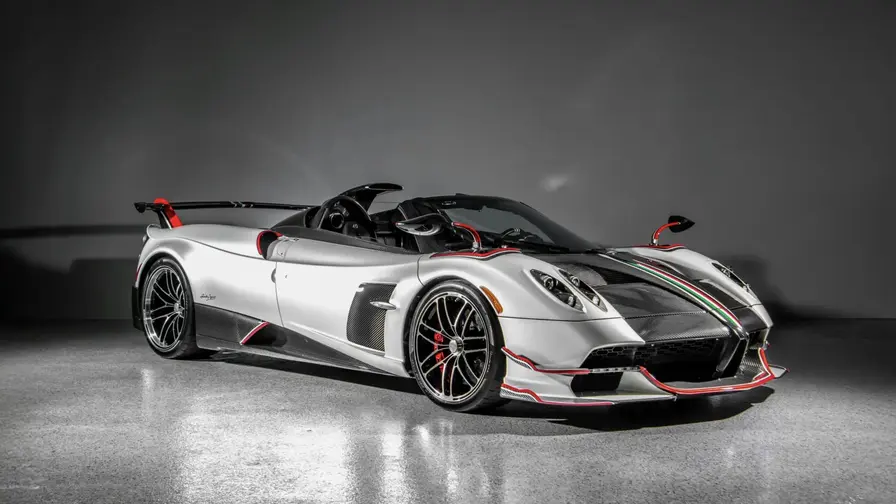
Visually, Shkinder’s concept sits in the same aspirational realm as Pagani and Koenigsegg: bespoke bodywork, extreme proportions and a focus on aerodynamic expression. Technically, matching those manufacturers requires bespoke powertrains, bespoke materials and tiny production runs—an expensive proposition. If Alfa Romeo were to pursue a live project inspired by this CGI, it would need to decide whether to aim for ultimate performance or to use the car as an electrified design statement.
Highlights:
- Designer: Max Shkinder (ex-McLaren) — digital concept only
- Style cues: 33 Stradale homage, scudetto grille, butterfly doors
- Powertrain: unspecified — opens the door to ICE, hybrid, PHEV or EV
- Market question: halo supercar vs. volume-driven recovery
Whether this rendering nudges Alfa Romeo toward a bona fide hypercar or simply sparks a fresh round of fan debate, it does succeed at one thing: reminding enthusiasts that the brand still carries potent emotional capital. The real decision for Alfa and Stellantis is strategic: invest in a headline-grabbing flagship to restore luster, or focus on attainable models that deliver steady sales growth and long-term stability.

What do you think — should Alfa Romeo chase a hypercar halo or double down on accessible crossovers to rebuild volume and market share?

Leave a Comment
Comments (2)
Is this even serious or fan fantasy? Looks like a contender vs Pagani, but zero specs, zero plan. Flashy render, real question: EV or ICE?
Whoa that CGI really screams Alfa, sexy and brutal at once... love it, but a one-off halo won't fix sales. Pretty but pricey, haha