
4 Minutes
Toyota secures the crown again
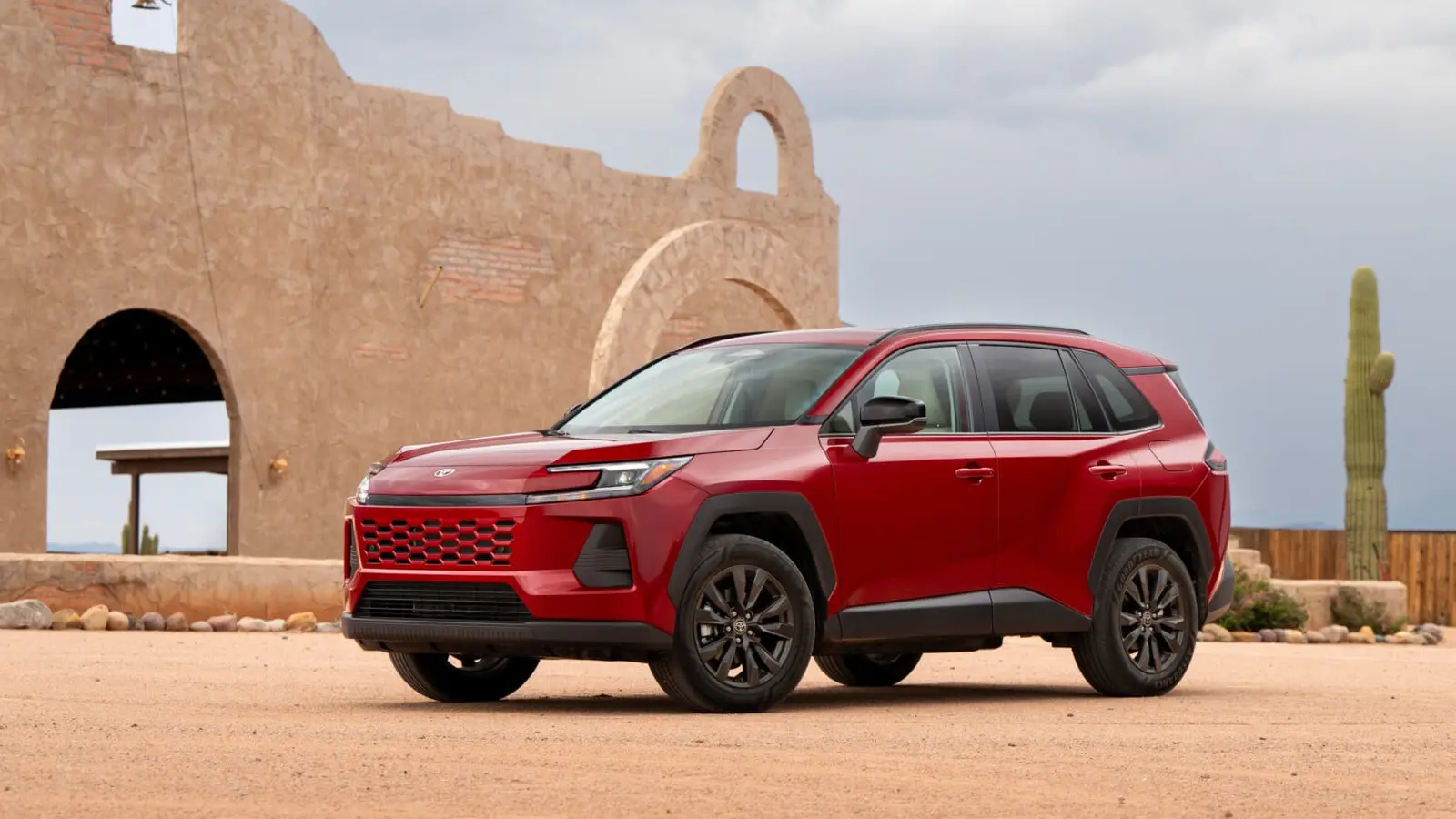
Toyota Motor Corporation has once again taken the top spot as the world's best-selling automaker, marking a sixth consecutive year of global dominance. Final figures for 2025 show the combined Toyota group brands — Toyota, Lexus, Daihatsu and Hino — sold 11,322,575 vehicles, a 4.6 percent increase over 2024. That clear lead left Volkswagen Group and other challengers well behind in the race for global sales supremacy.
Numbers that tell the story
Toyota and Lexus together accounted for 10,536,807 units, up 3.7 percent year-over-year. Smaller group brands moved the needle as well: Daihatsu delivered more than 675,000 vehicles, surging nearly 26 percent, while commercial vehicle maker Hino declined about 12 percent to roughly 110,000 units. Domestic demand in Japan was particularly strong, with sales topping two million units — an impressive jump of almost 12 percent. Outside Japan, the rest of the world absorbed more than 9.25 million Toyotas and Lexus models, up 3.1 percent.
Regional performance and market dynamics
- North America was a major growth engine for Toyota and Lexus, with sales approaching 2.93 million units, an increase of over 7 percent compared to 2024.
- Asia excluding Japan rose 2.2 percent to about 3.286 million units even though China showed a decline within the region.
- Europe registered a milder gain, up 1.4 percent to 1.183 million units for Toyota and Lexus combined.
These regional trends underline Toyota's broad geographic reach: resilient domestic sales in Japan, strong momentum in North America, and steady performance across Europe and Asia.
Electrified strategy: hybrids lead, BEVs lag
Toyota continues to lean heavily on electrified powertrains, most notably hybrids. In 2025, Toyota and Lexus sold 4,433,503 hybrid electric vehicles (HEVs) worldwide, a 7 percent rise over the prior year. By contrast, mild hybrids (MHEVs) accounted for around 177,000 units, plug-in hybrids (PHEVs) about 184,000, and battery-electric vehicles (BEVs) reached roughly 199,000 units. Combined, all electrified vehicles tallied nearly 4.995 million sales.
That split highlights Toyota's strength with hybrids and gradual transition to full battery electrics. The company’s hybrid-first approach has paid off in markets where infrastructure and consumer preference still favor gradual electrification, but the relatively low BEV numbers show Toyota faces a steeper climb in an increasingly BEV-driven market.
How competitors fared
Volkswagen Group reported 8.98 million vehicle sales in 2025, holding second place but at a notable distance from Toyota. Hyundai Motor Group, with Hyundai and Kia combined, strengthened its position as an ascendant global player with 7.27 million units, up 0.6 percent year-over-year.
Volkswagen is doubling down on electric models — from the ID. Polo entry EV in Europe to refreshed ID.3 and ID.4 variants and the ID. Era 9X EREV in China — but those moves may not be enough to overturn Toyota's lead in the short term.
Outlook for 2026: models to watch
Toyota heads into 2026 with several product catalysts that could extend its run at the top. Key items to watch:
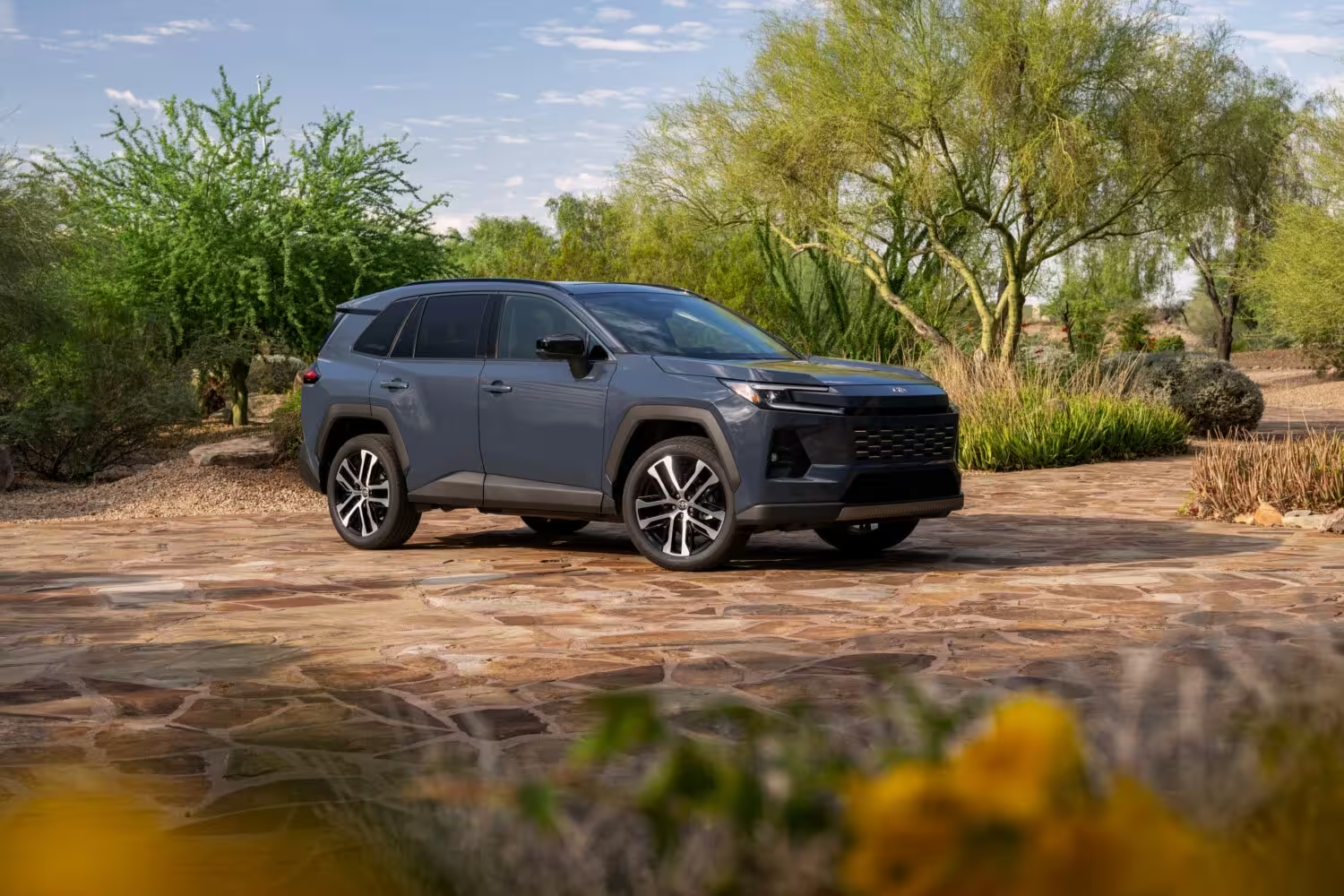
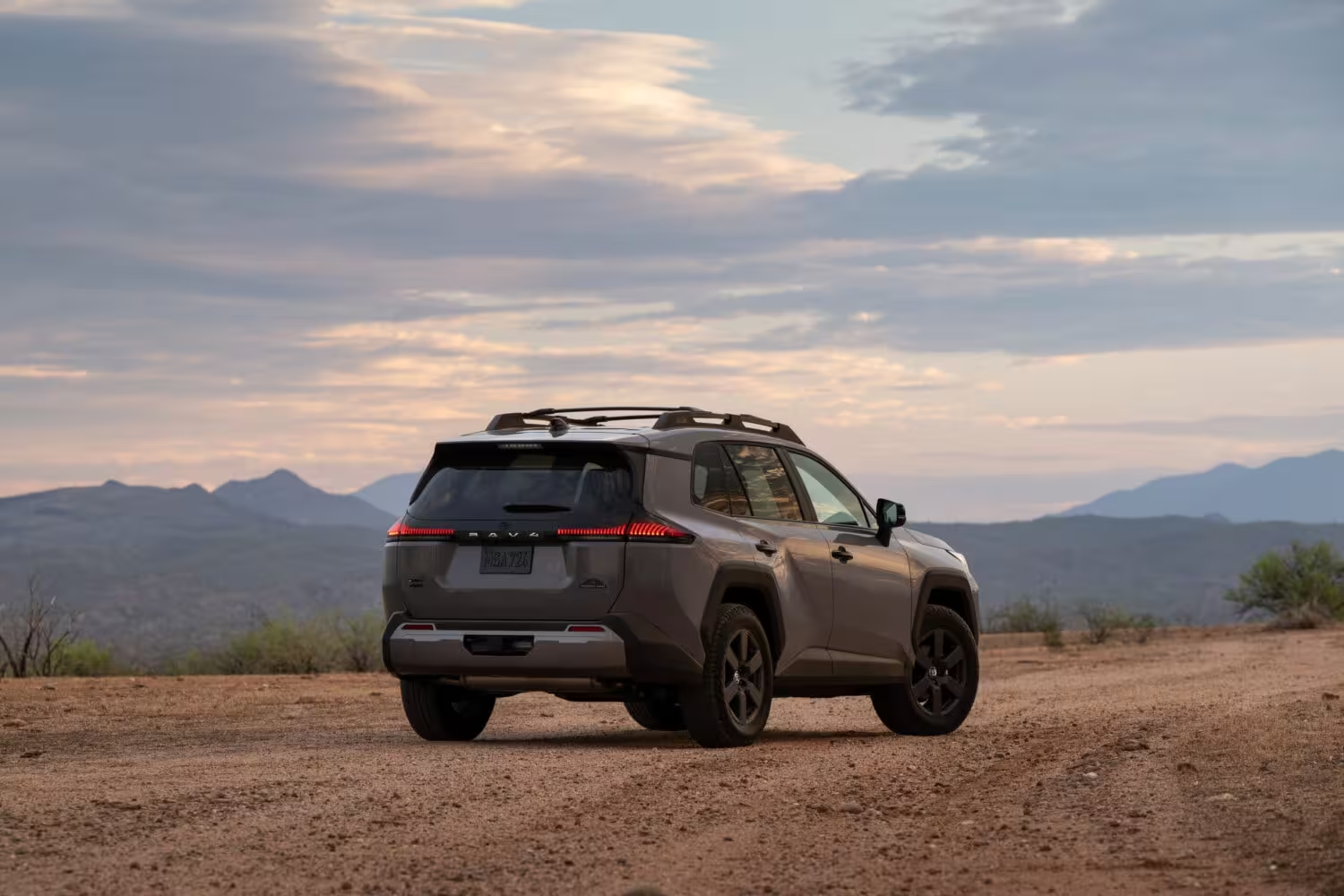
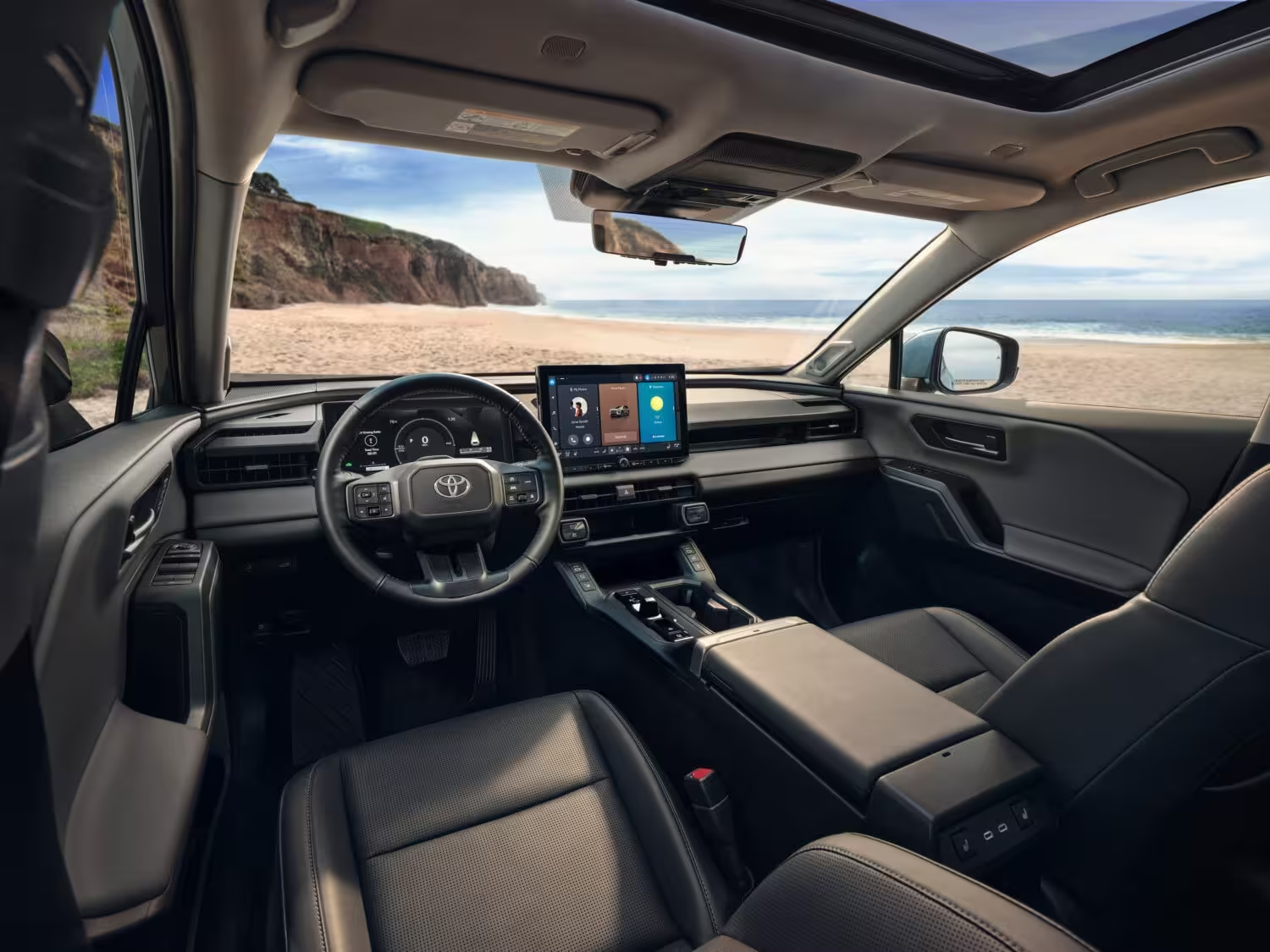
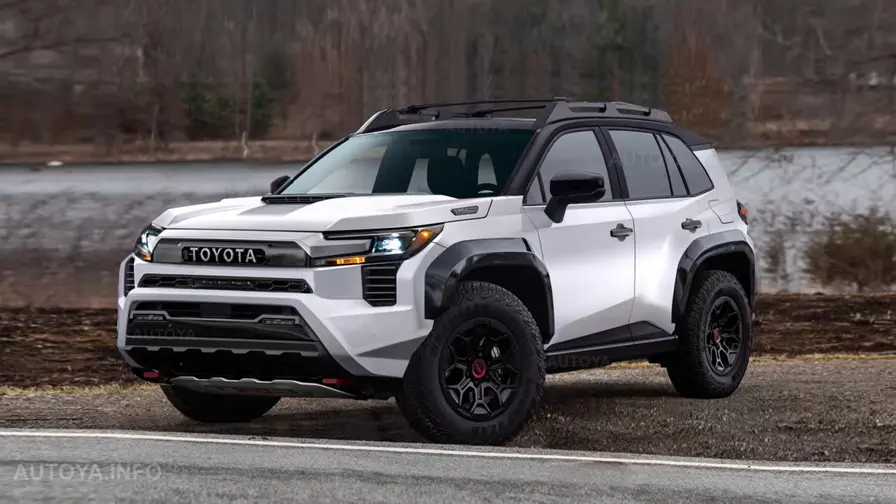
- The sixth-generation RAV4 will enter its first full year of global sales and is expected to remain a core volume contributor.
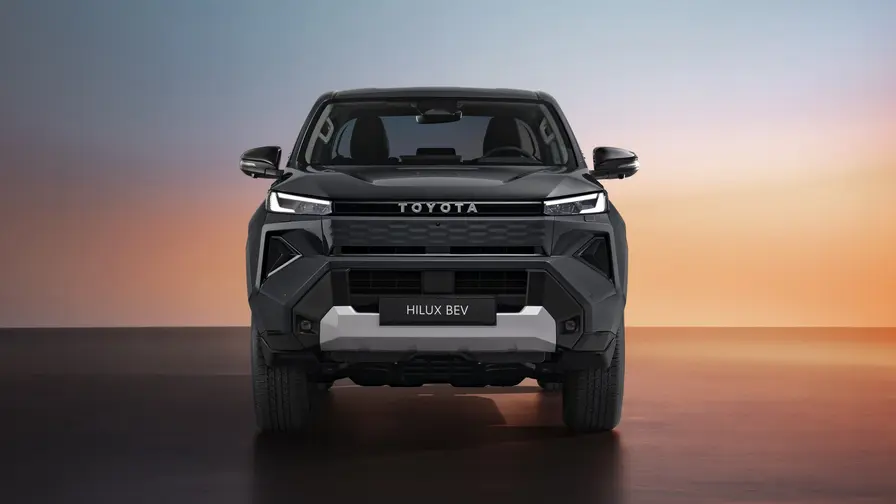
- A new Hilux pickup and a more affordable Land Cruiser FJ in markets like Australasia, with Hilux availability widening to Europe, should bolster truck and SUV sales.
Quote: 'We expect nameplates like RAV4 and Hilux to be central to our 2026 growth,' industry analysts say, pointing to Toyota's strong mix of SUVs and pickups.
What this means for the market
Toyota's continued leadership illustrates the value of a diversified lineup, a strong hybrid portfolio, and resilient regional strategies. Yet, the company's slower BEV adoption presents both a risk and an opportunity: accelerate battery-electric investment or continue winning with hybrids where customers still favor them. For rivals such as Volkswagen, aggressive electrification programs are necessary but will take time to convert into volume comparable to Toyota's global network and multi-brand reach.
For car buyers and industry watchers, 2026 promises another interesting year: an established giant defending its lead while electric-first competitors try to reshape long-term rankings.

Leave a Comment
Comments (2)
Sales numbers look strong, but are they counting fleet deals or heavy incentives? curious if BEV totals understate long term risk. data feels a bit fuzzy, tbh
wow Toyota again? insane run. hybrids selling like hotcakes, BEV lagging tho, risky move? still, love the RAV4, curious if they'll really ramp BEVs…