
4 Minutes
Ram ramps HEMI output as demand surges
Ram CEO Tim Kuniskis says Stellantis is preparing to massively expand production of its third‑generation HEMI V8s after the Saltillo North Engine Plant in Mexico delivered roughly 30,000 HEMI units last year. That figure looked substantial on its own, but Kuniskis noted Stellantis North America had about 50,000 outstanding HEMI orders to fulfill in 2025 — and the automaker is now planning to build well over 100,000 units as demand climbs.
Overflow production could move to U.S. plants
To meet that jump in demand, Stellantis is exploring shifting some HEMI assembly out of Saltillo and into its U.S. engine complexes. The Dundee Engine Plant in Michigan is the most likely candidate: it has the open floor space and flexibility needed to absorb overflow production. Stellantis also runs Kokomo — known for the 2.0‑liter turbo inline‑four used in the Jeep Grand Cherokee — and Trenton, which produces the 3.6‑liter Pentastar V6. Dundee currently builds the 1.6‑liter turbo hybrid powertrain for the new Jeep Cherokee, but its layout makes retooling for HEMI a practical option.
Balancing HEMI and Hurricane production
Kuniskis explained that Saltillo must find the right production mix between the fuel‑efficient Hurricane 3.0‑liter inline‑six and the more characterful 5.7‑ and 6.4‑liter naturally aspirated HEMIs. He estimates the HEMI family could represent roughly 35% of overall engine output as Stellantis rebalances lines. On paper, the inline‑six Hurricane is an efficient and sensible choice, but many buyers still gravitate toward the emotional appeal and distinct personality of a V8 HEMI.
Why buyers still choose HEMI V8s
Buying a new truck or performance pickup is rarely purely logical. HEMI engines deliver not only strong low‑end torque and that unmistakable V8 soundtrack, but also a cultural cachet that matters to many Ram customers. Even as automakers push smaller, turbocharged and hybrid engines for efficiency, HEMI V8s remain a sales driver for Ram’s lineup.
Performance spotlight: 2027 Ram 1500 SRT TRX
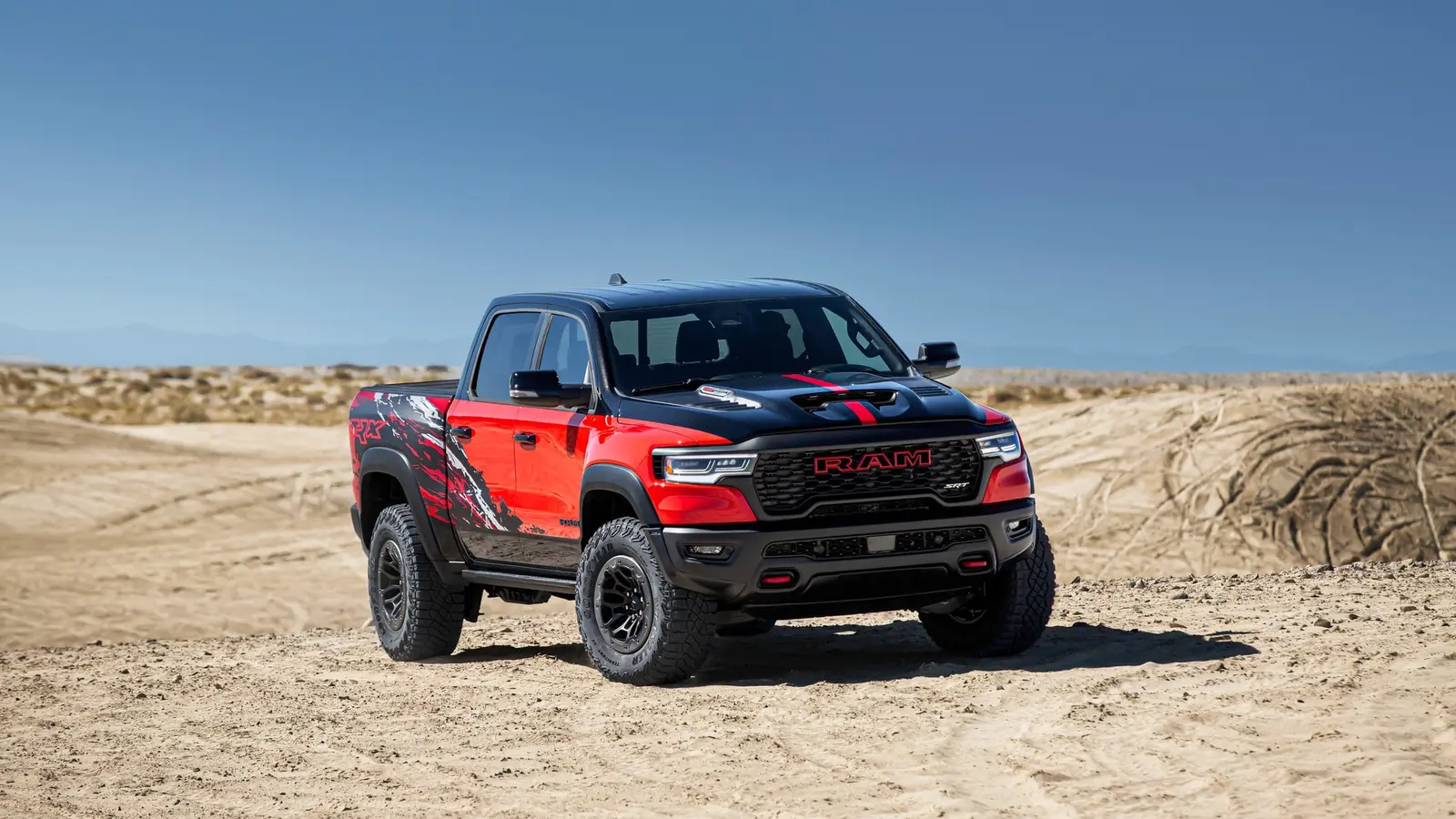
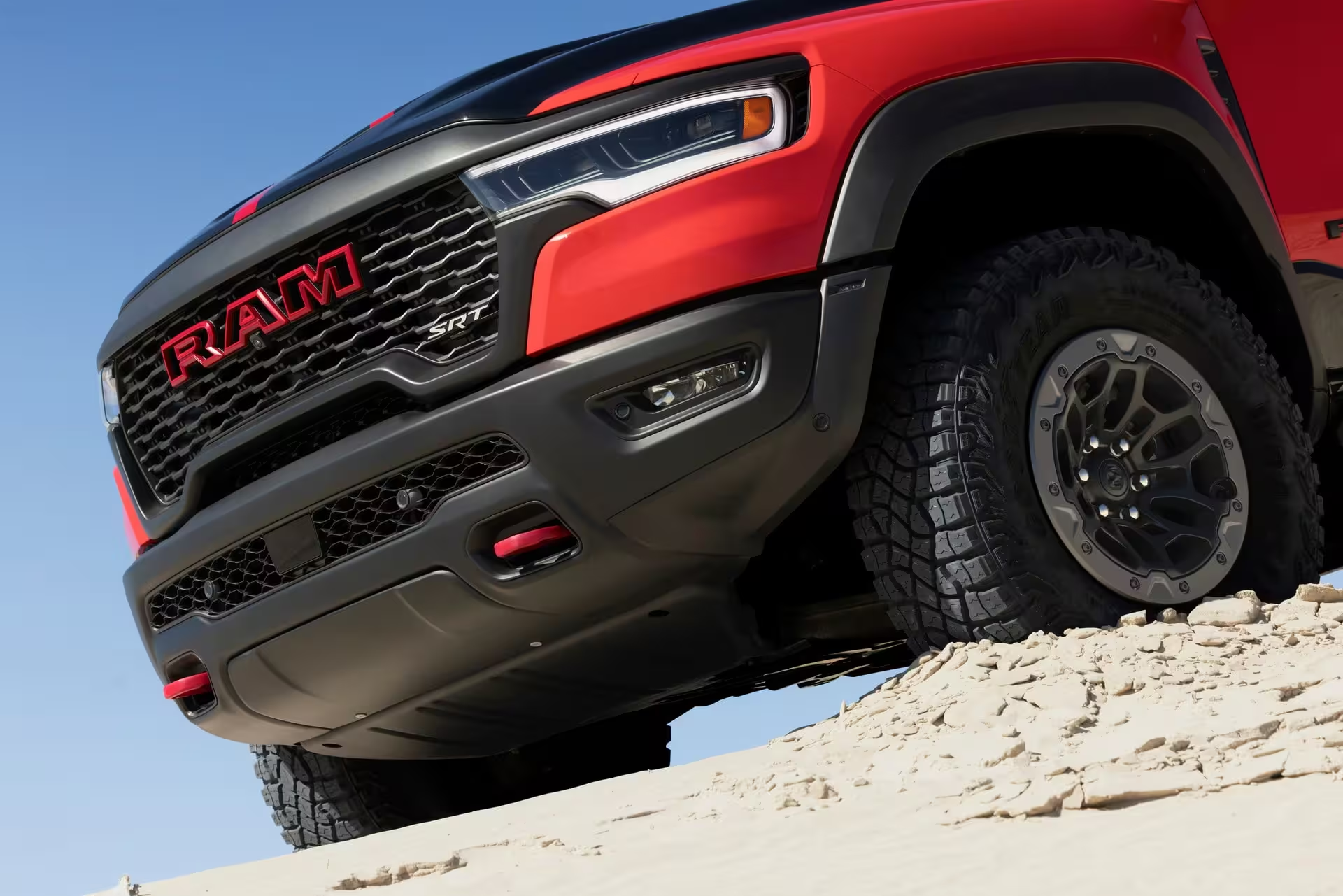
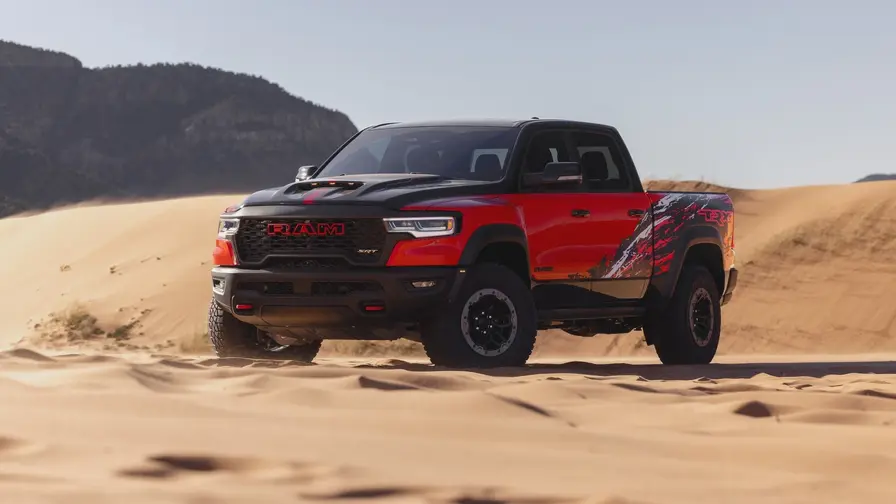
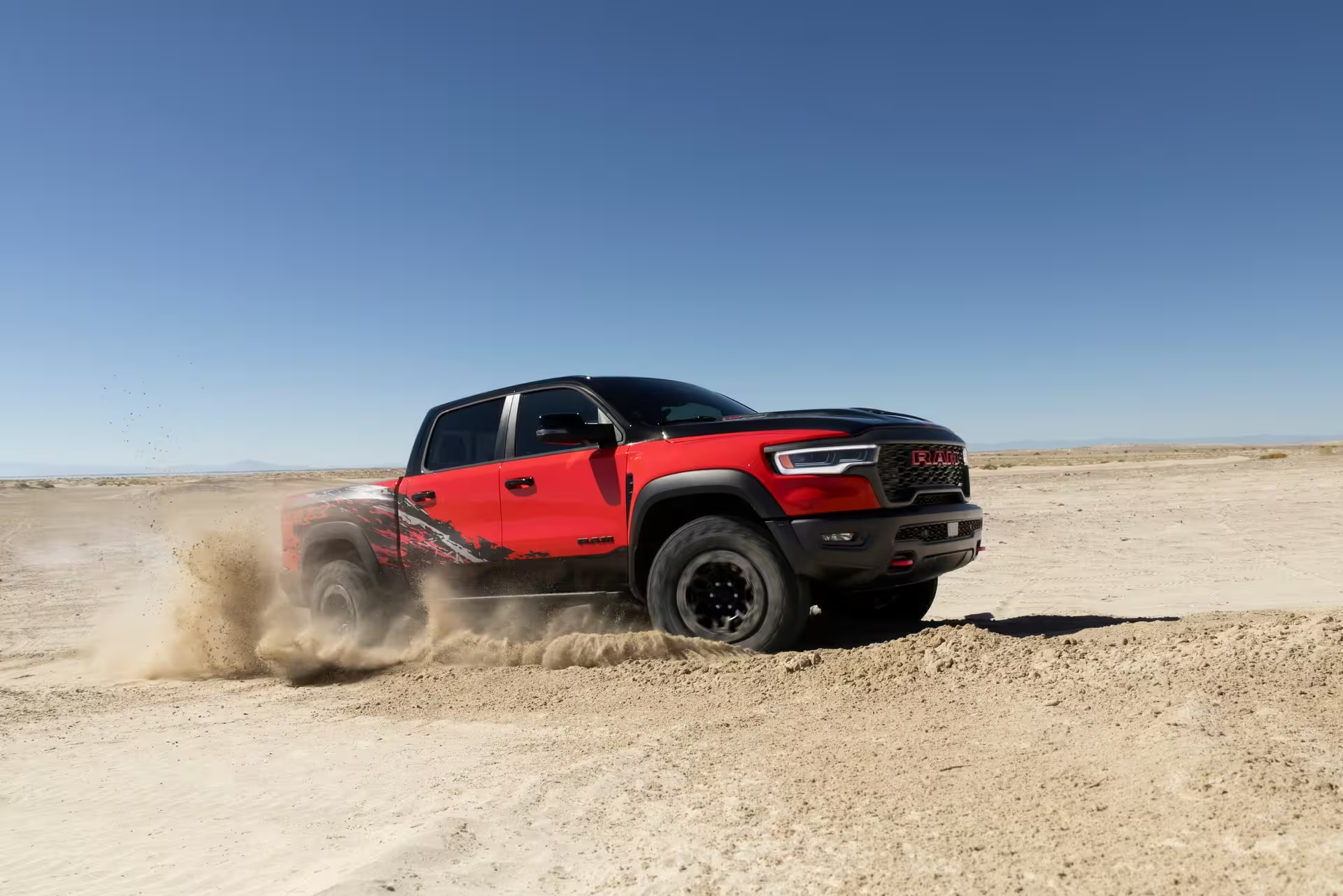
Stellantis has even revived the 6.2‑liter Hellcat V8 for the latest Ram 1500 TRX. Reintroduced as the 2027 Ram 1500 SRT TRX, the Hellcat returns with a quoted 777 horsepower when fed premium fuel and a substantial 680 lb‑ft (922 Nm) of torque thanks to a dual‑path induction system that improves airflow by about 18% over the previous unit. That combination helps the TRX sprint to 60 mph (97 km/h) in roughly 3.5 seconds.
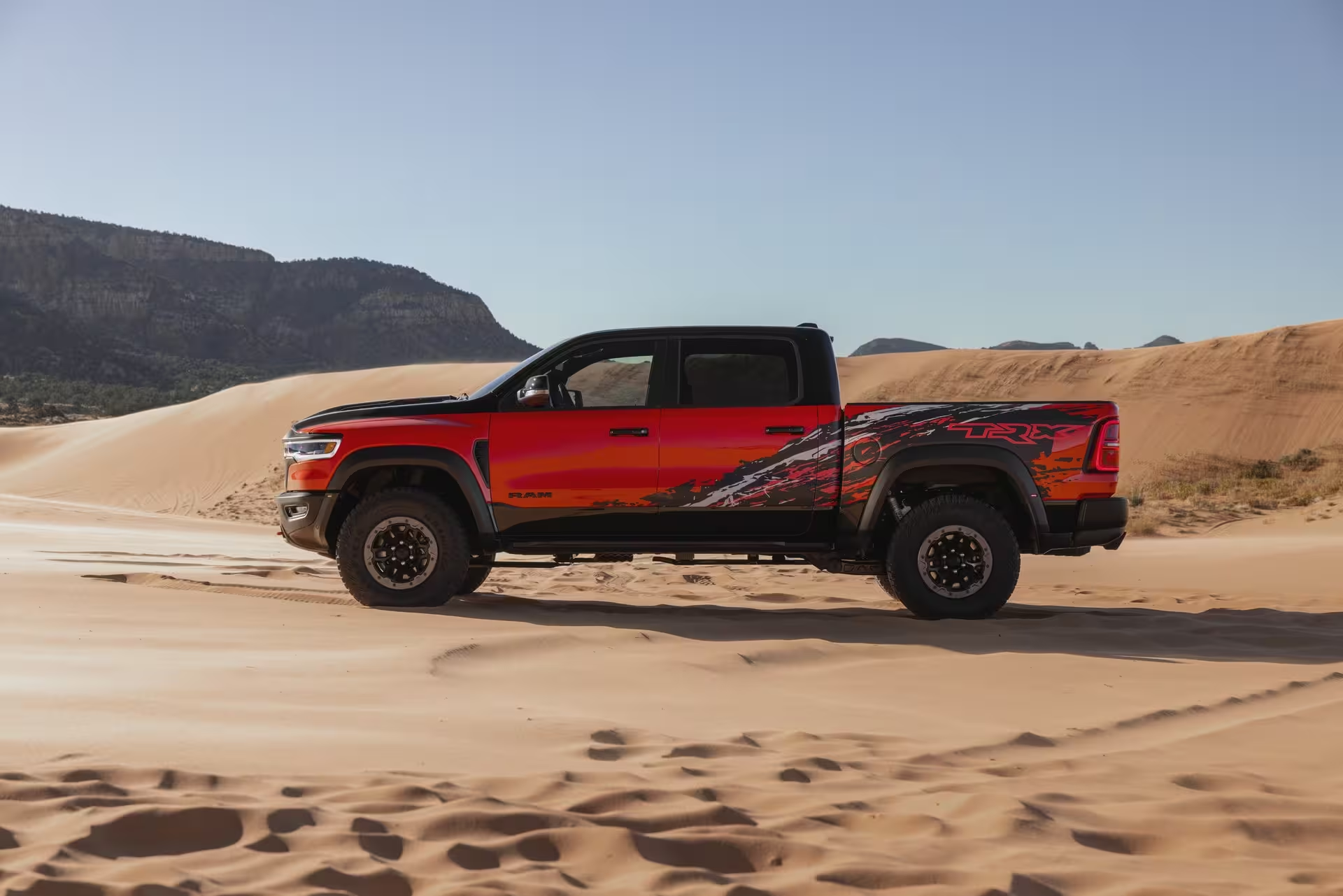
- Engine: 6.2‑liter supercharged Hellcat V8
- Power: 777 hp
- Torque: ~680 lb‑ft (922 Nm)
- 0–60 mph: ~3.5 seconds
- Optional interior tech: 10.25‑inch passenger touchscreen
- Estimated starting MSRP: $99,995 (2027 as announced)
Fuel economy and real‑world tradeoffs
As before, the Ram TRX is thirsty. The 2024 TRX combined rating sits near 12 mpg (about 19.6 L/100 km), and the 2027 iteration is expected to remain similarly voracious. For context, Ford’s F‑150 Raptor R — a different take on high‑performance truck territory — also manages around 12 mpg from its 5.2‑liter Predator supercharged V8. These are vehicles built for performance and capability first, efficiency second.
Market implications
Stellantis’s decision to scale HEMI production — and to consider shifting capacity to U.S. plants — signals confidence that demand for large‑displacement V8s will persist despite tightening emissions and shifting consumer preferences. For Ram, keeping HEMI availability robust helps preserve its performance image and fuels sales of premium trims like the TRX and heavy‑duty models equipped with larger HEMIs.
In short: expect more HEMI badges on dealer lots in the near term, but also continued juggling behind the scenes as Stellantis balances efficiency (Hurricane inline‑six) and the emotional pull of big V8s.
Key takeaway: Stellantis plans a major ramp‑up of third‑gen HEMI production in response to strong orders, with U.S. plants — most likely Dundee — ready to shoulder additional assembly to meet North American demand.
.avif "Could a Hellcat V8 Fit the New Dodge Charger? What the CEO Just Hinted")


Leave a Comment
Comments (2)
Love the V8 roar, but this feels short sighted long term. Hope they balance Hurricane engines too, or else compliance could bite back...
Wait theyre gonna make 100k HEMIs? Cool but also yikes, regs, fuel prices, dealer demand... can they actually sell that many? curious, tbh