
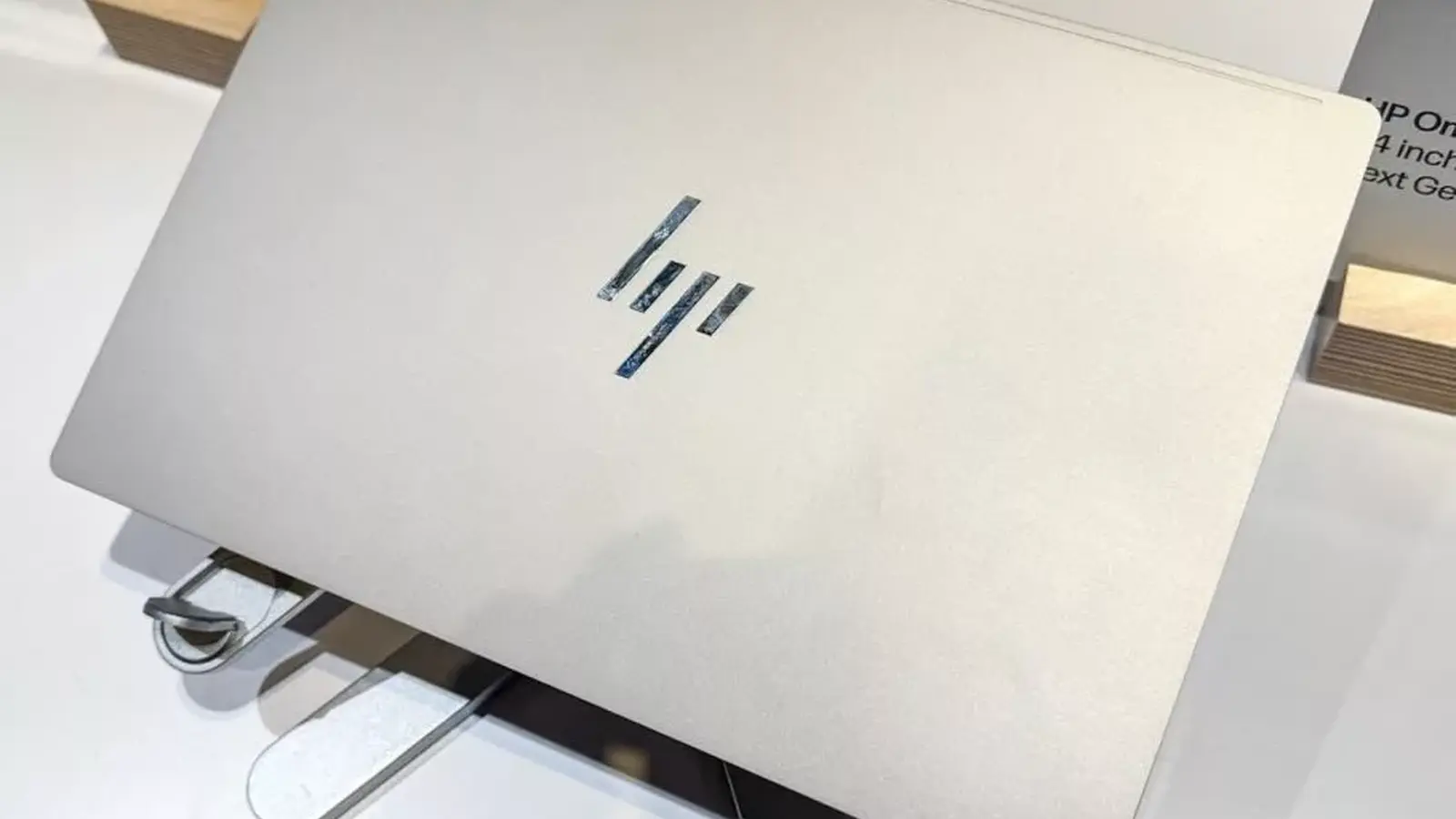
Think you need to drop thousands on a gaming laptop? HP wants to shake that assumption. Rather than fighting the steady climb in component prices, the company is quietly testing a rental model that lets players take home powerful machines for a monthly fee.
It’s a simple swap: buy versus subscribe. Instead of fronting a big one-time sum, you pay a predictable monthly charge while HP handles maintenance, repairs, and even upgrades or replacements if something goes wrong. The program has been available in pilot form for months, but recent market pressures — surging GPU and CPU costs, RAM price volatility, and supply bottlenecks — have made the idea feel suddenly sensible.
Why would anyone rent a gaming laptop? For some, it’s about cash flow. For others, it’s about staying current without having to trade in hardware every year. And for HP, it’s a way to keep hardware in use longer while building recurring revenue and direct customer relationships. Think of it as applying the subscription economy to a category that’s stubbornly expensive and quickly outdated.

There are parallels to cloud gaming services like NVIDIA GeForce Now or Xbox Cloud Gaming, but this isn’t streaming. You still get a local machine capable of running demanding titles — only you don’t own it. That distinction matters. Latency-sensitive games, mods, and local installations still run best on-device, and renting preserves that experience while shifting ownership to the provider.
Not everything is rosy, of course. Monthly costs can add up over time, and renters must weigh long-term price against the flexibility of upgrades. There’s also the question of availability: will HP limit models, or offer the latest GPUs right away? And what happens to customization and user repairs when the device is technically the company’s asset?
From an industry perspective, this move is another step away from ownership and toward access. Music and movies went first; software and even gaming have followed. Now the device itself is being offered as a service. For gamers who treat hardware like a tool rather than a trophy, that’s an attractive proposition. For collectors and enthusiasts who love opening a sealed box, maybe less so.
HP’s rental approach reframes costly upgrades as predictable subscriptions and hands the logistics of upkeep back to the manufacturer.
Ultimately, this is a business experiment with real user implications. If HP can balance price, availability, and support, renting could become a practical path for many players who’d rather pay monthly than mortgage their next upgrade. Would you sign up to rent your next gaming rig?


Leave a Comment
Comments
No comments yet. Be the first.