
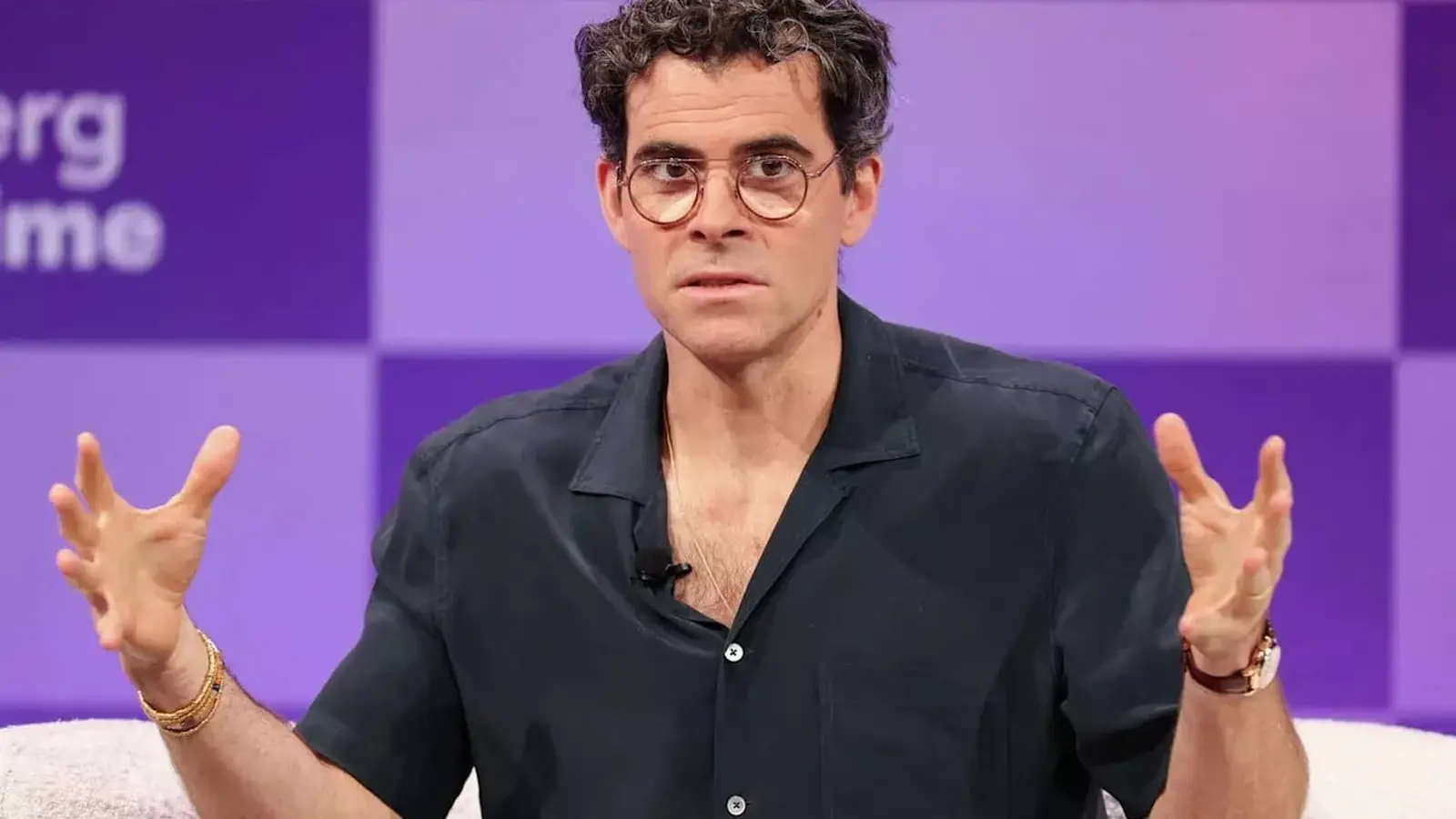
Adam Mosseri walked into a packed courtroom and said something that sounded almost casual: he does not believe Instagram is a clinician-defined addiction. Short sentence. Big implications.
The Instagram head was testifying in a high-profile suit filed by a 20-year-old identified as "Kiley," who alleges that tech giants deliberately engineered addictive features to hook young users — and that those designs harmed her mental health. This case is not alone. It’s the first of more than 1,500 similar lawsuits that could reshape how courts treat claims linking social platforms to teen wellbeing.
Mosseri answered pointed questions about whether Instagram targets teenagers to maximize profits, and whether the app creates dependence in young users. He pushed back. He said the platform was not built with the express aim of hooking minors for revenue. But he did not claim the product is risk-free either. "It’s relative," he admitted. "Yes, a person can use Instagram more than they feel good about." He also acknowledged he is not a doctor and compared problematic use to watching too much television — a behavioral comparison, not a clinical diagnosis.
There’s a contrast here that matters. In 2021, a whistleblower released internal Facebook documents suggesting the company knew Instagram could have toxic effects on teenage girls. Those disclosures prompted Mosseri to tell a Senate committee that he supports tougher online-safety rules. On Wednesday, his courtroom tone mixed defense with concession: Instagram isn’t an inherently clinical threat, but harmful experiences can and do occur for some users.
Lawyers for the plaintiff framed the debate simply: did designers build features to encourage compulsive use? The defense framed it differently: usage exists on a spectrum, and what looks like addiction for one person can be ordinary use for another. That argument will be familiar to anyone who has watched a platform evolve from novelty to daily ritual — and wrestled with what responsibility should follow.
Mosseri’s testimony stops short of absolution: he denied Instagram is clinically addictive while admitting that problematic use is possible and that the company has a duty to improve safety. The nuance matters. Regulators, parents and courts are all still asking the same uneasy question: when does design cross the line into exploitation?
The courtroom will keep deciding that. For now, the exchange exposed a broader tension at the heart of social media: a platform that wants to be indispensable while insisting it isn’t a clinical hazard. The question hovering over the legal proceedings is straightforward and stubborn — who gets to decide what counts as harm in an age engineered for engagement?


Leave a Comment
Comments
No comments yet. Be the first.