
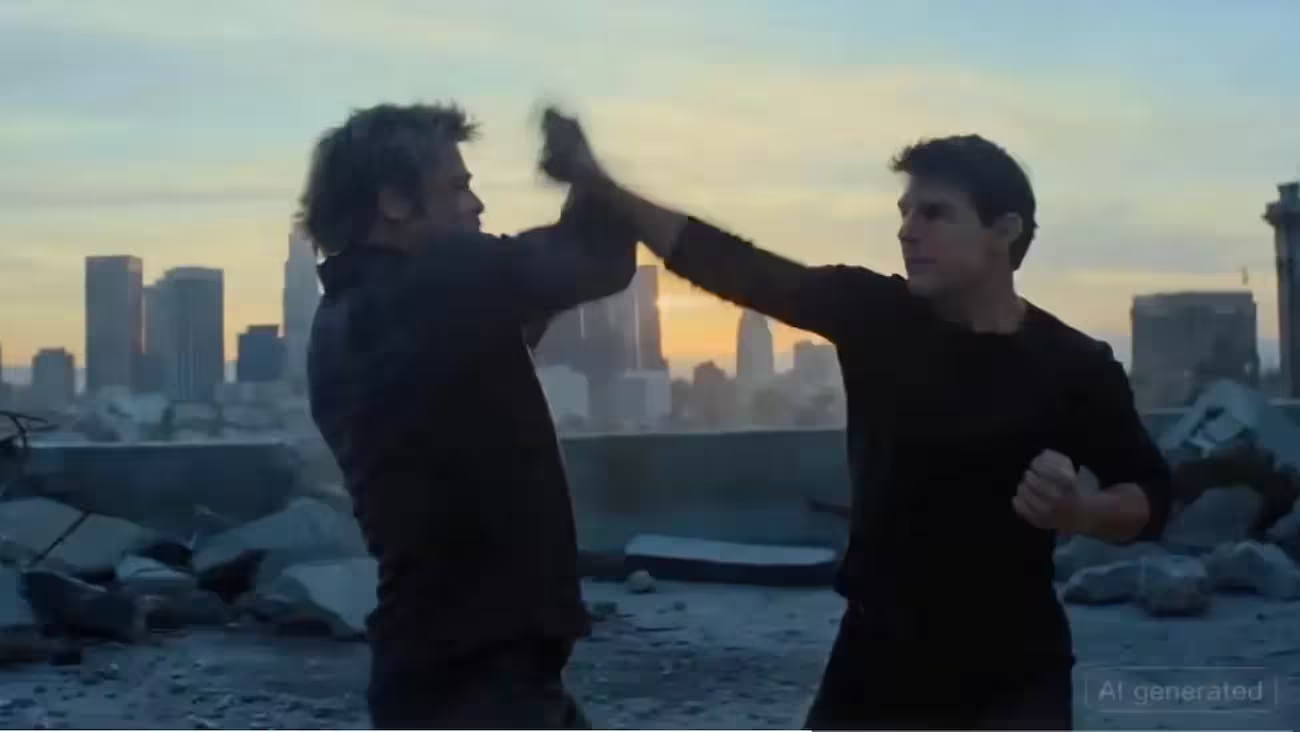
Picture Tom Cruise trading blows with Brad Pitt — and then imagine that footage didn't exist yesterday but was generated this morning by a two-line prompt. That image went viral and set off a rare, angry chorus from studios, unions, and creators across Hollywood.
The uproar centers on Seedance 2.0, ByteDance's new AI video model. Within hours of users uploading a short clip claiming the scene came from a simple prompt, screenwriters and industry veterans were sounding the alarm. 'I hate to say this, but our work is probably finished,' wrote one high-profile writer, capturing the kind of existential dread now spreading through creative communities.
It wasn't just social media noise. The Motion Picture Association moved quickly. CEO Charles Rivkin publicly urged ByteDance to stop what he described as large-scale, unauthorized use of American copyrighted works. The criticism landed hard and fast: studios argue that Seedance 2.0 can reproduce actors' faces and well-known characters with virtually no guardrails, converting protected performances and designs into shareable, monetizable clips.
SAG-AFTRA and other unions added their voices, framing the technology as an attack on artists' rights. The message was simple and blunt — this is not a technical debate; it's a challenge to livelihoods and the legal protections that underpin a multi-billion-dollar industry.
Disney, not usually shy about protecting its franchises, sent a legal letter demanding the AI be stopped. In that letter the company called the model's outputs a form of virtual theft, pointing to early examples of recreated Disney characters among the videos circulating online. Notably, Disney isn't anti-AI across the board — it recently signed a multi-year deal with OpenAI — but the studio says Seedance 2.0 crosses a line because it apparently reproduces copyrighted characters and actor likenesses without permission.
So what makes Seedance 2.0 different from other generative models? Part of the controversy is scale and ease. The tool is reportedly available to users on Jianying in China, where a few keystrokes can produce impressively realistic motion. ByteDance has signaled plans to bring the technology to CapCut, its global video-editing platform, which would expose creators and rights holders around the world to these capabilities overnight.
That prospect has companies and creators asking uncomfortable legal and ethical questions. Who owns a likeness generated by an algorithm trained on unlicensed footage? How do you police derivatives when anyone with a phone can generate them? And what responsibility falls on platforms that host the outputs?
The debate is no longer hypothetical. Legislators, industry groups, and rights holders will need to decide whether to demand new guardrails, require consent mechanisms, or pursue enforcement through existing copyright law. In the meantime, creators are bracing for a season of lawsuits and policy fights — the kind that could reshape who controls the visuals and voices of popular culture.
For now, Seedance 2.0 sits at the center of a larger tug-of-war between rapid AI innovation and the legal frameworks that protect creative work. The next act will be legal and public. Keep watching.

Leave a Comment
Comments
No comments yet. Be the first.