

Memory prices are rising, and Acer has quietly joined the list of vendors passing those costs to customers. Short version: if your next laptop or desktop needs RAM or an SSD, expect sticker shock. The company confirmed a price increase tied to higher memory-module costs, though the announcement left plenty of questions unanswered.
The first public notice came from Acer Predator Gaming Japan on the social platform X, saying the new pricing takes effect on February 20, with current prices honored through February 19. Clear? Not entirely. Acer didn’t publish a global price list or detail how much each model will climb. That vagueness is the point: the hardware industry is moving fast, and manufacturers are reacting on short notice.
So who feels the pinch? Most likely anything that contains replaceable or onboard memory—laptops, desktops, compact gaming rigs and many all-in-ones. Accessories and non-memory peripherals seem exempt, at least for now. But whether this change stays confined to Japan or spreads to North America, Europe and other markets has not been confirmed. Odds are high that global pricing shifts will follow supply-chain pressure.
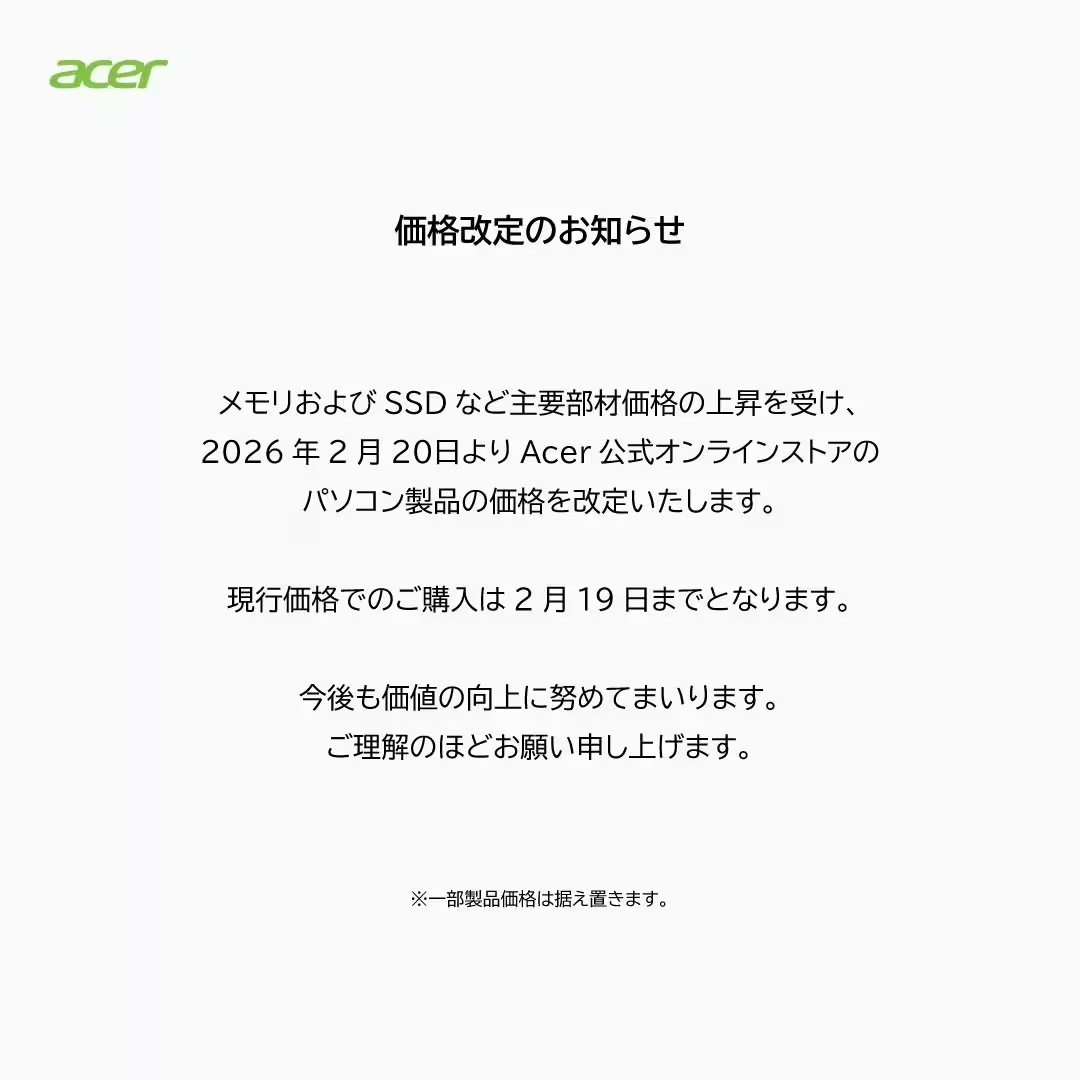
Why now? The short answer: memory modules—both DRAM and NAND flash—have seen price increases that chipmakers and assemblers can’t absorb forever. Memory prices move in cycles, but when supply tightens and demand holds, manufacturers start trimming margins. Acer isn’t alone in that strategy. Over the past weeks, Lenovo pointed to the same memory-cost issue as a driver for price hikes, and ASUS and Dell have previously warned of increases in the 15–30% range on some lines.
How big will the increases be for Acer specifically? We don’t know. Will every model be affected equally? Probably not. Companies often apply tiered increases based on product class—entry-level machines might see smaller adjustments than high-end gaming systems that use larger or faster RAM and premium SSDs. That means the exact impact on your next purchase will depend on the configuration you pick.
For buyers who can wait, there’s a practical tip: buy before the announced cutoff. For Acer’s Japan customers, that window runs through February 19. For everyone else: keep an eye on official channels, retailer listings and spec pages. Prices can update quietly overnight.
This episode is a reminder that hardware prices rarely move in a vacuum. Component markets ripple outward—memory costs affect laptops, then channel pricing, then promotional cycles, and finally consumers. Watch the memory market and your shopping cart. The next sale could vanish faster than you think.


Leave a Comment
Comments
No comments yet. Be the first.