
3 Minutes
New adaptation, old passions
Emerald Fennell’s 2026 adaptation of Emily Brontë’s Wuthering Heights has become a surprise talking point this season — not because critics uniformly loved it, but because audiences did. Despite controversy over casting choices and bold departures from the novel, moviegoers have given the film an enthusiastic thumbs-up: Rotten Tomatoes currently lists an 84% audience score based on more than 250 verified ratings, while the critics' score sits at 63%.
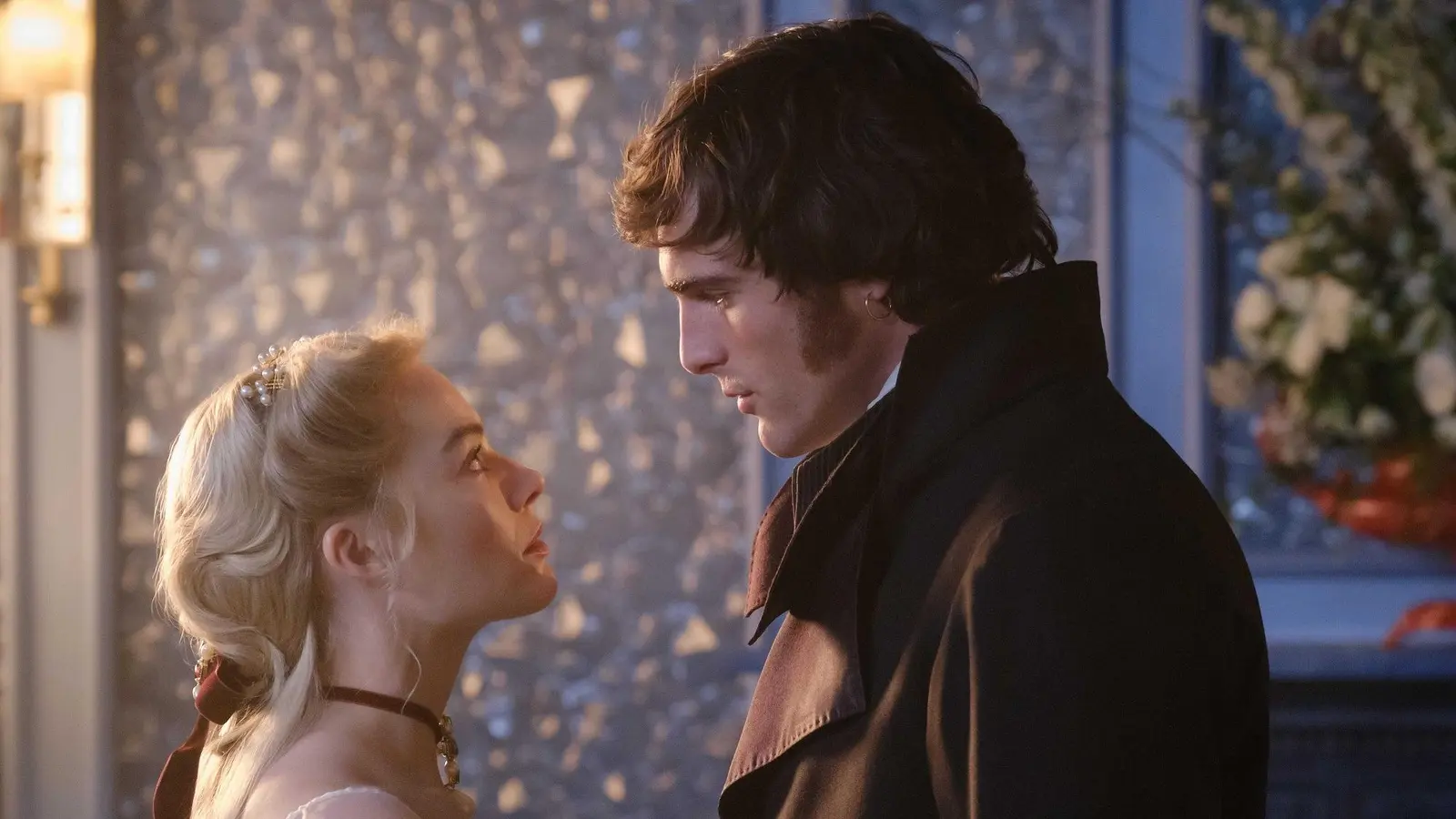
Margot Robbie and Jacob Elordi take on the stormy leads, Catherine Earnshaw and Heathcliff, delivering a performance-driven center to Fennell’s visually ambitious take. The production design and cinematography have been widely praised by viewers for their atmospheric reimagining of the moors and interiors, creating a sensual, claustrophobic world that aligns with the film’s themes of obsession, jealousy, and vengeance.
Why audiences are warming to this version
Part of the warm audience reaction comes from strong chemistry between Robbie and Elordi and Fennell’s daring directorial choices. Fans appreciate a version that feels cinematic rather than strictly faithful, with modern pacing and heightened production values. That said, literary purists have been vocal about narrative changes and representation decisions — a familiar flashpoint whenever a canonized novel is reinterpreted for contemporary screens.
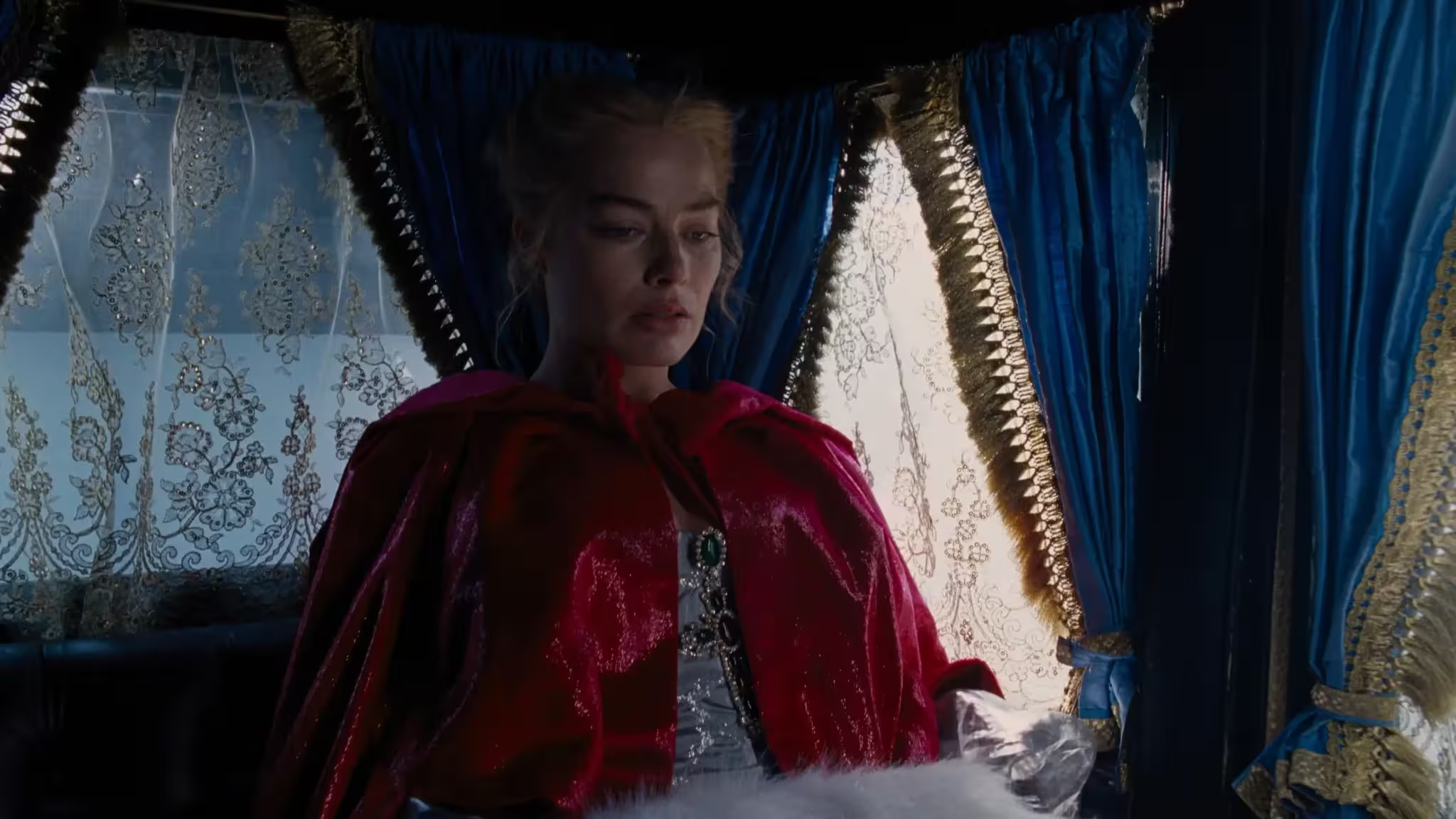
Context helps explain the split: Fennell is best known for Promising Young Woman, a film that polarized critics and viewers but ultimately sparked debate. Her willingness to take risks mirrors a larger industry trend: recent adaptations often prioritize mood, performance, and topical framing over literal fidelity. Streaming and global box-office pressures encourage filmmakers to recast classics in ways that resonate with new audiences.
Where this adaptation sits among others is noteworthy. On Rotten Tomatoes, only the 1939 film still holds a marginally higher audience score (85%), while other versions — 1970, 1992, and 2011 — score lower with viewers. That puts Fennell’s film near the top in public esteem, even if critics are more measured.
Beyond numbers: behind-the-scenes and reception LuckyChap Productions’ involvement (Margot Robbie’s company) and careful costume and set choices contributed to the film’s tactile feel. Fans on social platforms have embraced the film’s aesthetics and lead performances, sharing stills and scene breakdowns; simultaneously, many online book communities continue heated debates about fidelity and interpretation.
Comparisons to previous adaptations and to Fennell’s earlier work make the film an interesting case study in how classic literature is repackaged for modern tastes. Whether you view it as a fresh reimagining or a provocative detour, it has reignited interest in Brontë’s novel among a new generation of moviegoers.
In short: an imperfect but potent adaptation that, for many viewers, captures the emotional extremes of Brontë’s story in a way that feels both cinematic and contemporary.












Leave a Comment
Comments
No comments yet. Be the first.