
2 Minutes
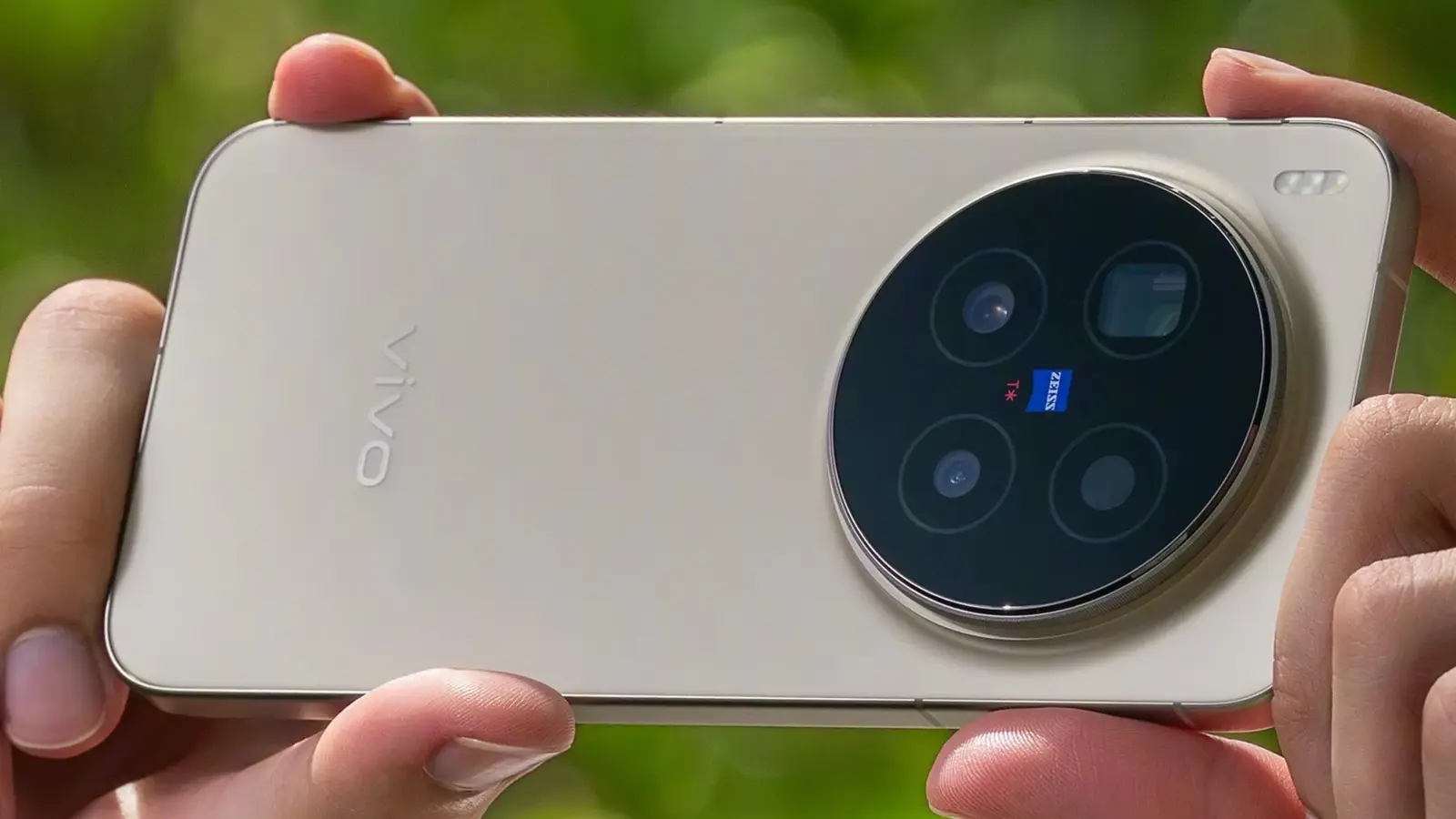
vivo might be gearing up to change how we think about phone telephoto systems. Fresh leaks point to a camera array that’s more than iterative — it could be a purposeful, sensor-first redesign.
At the heart of the rumor is a 50MP 1/1.28-inch primary rear sensor with LOFIC support. That sensor size is telling; larger optics mean stronger low-light performance and cleaner detail without leaning solely on computational tricks. Short story: better photos in tougher conditions.
Alongside the main shooter, the handset is said to carry a 50MP ultrawide and a 64MP 1/2-inch periscope telephoto that delivers 3x optical zoom. The periscope is reportedly built around Sony’s new IMX06H sensor — a choice that suggests vivo wants reliable optics rather than gimmicks. 3x won’t shatter zoom records, but married to a quality sensor it could produce very usable mid-range reach.
There’s chatter that the 200MP telephoto module will be a Pro Max exclusive. Makes sense. Keep the headline-grabbing hardware for the top-tier model. It’s a familiar strategy: offer a strong middle option while reserving the most radical hardware for buyers willing to pay for it.
Under the hood, the X500 Pro is tipped to use a 2nm Dimensity 9600-series chipset. That promises a mix of flagship-level efficiency and performance, which is important when pushing heavy camera processing and longer battery life. Also, a 2nm node is a reminder that mobile silicon keeps making incremental leaps, not giant jumps; but those increments add up.
Expect the X500 family to include the X500, X500 Pro, X500 Pro Max and X500e, with an October unveiling likely. Will vivo’s sensor-first approach be enough to outshoot rivals? We’ll find out when the cameras finally meet real-world light.

Leave a Comment
Comments
No comments yet. Be the first.