
3 Minutes
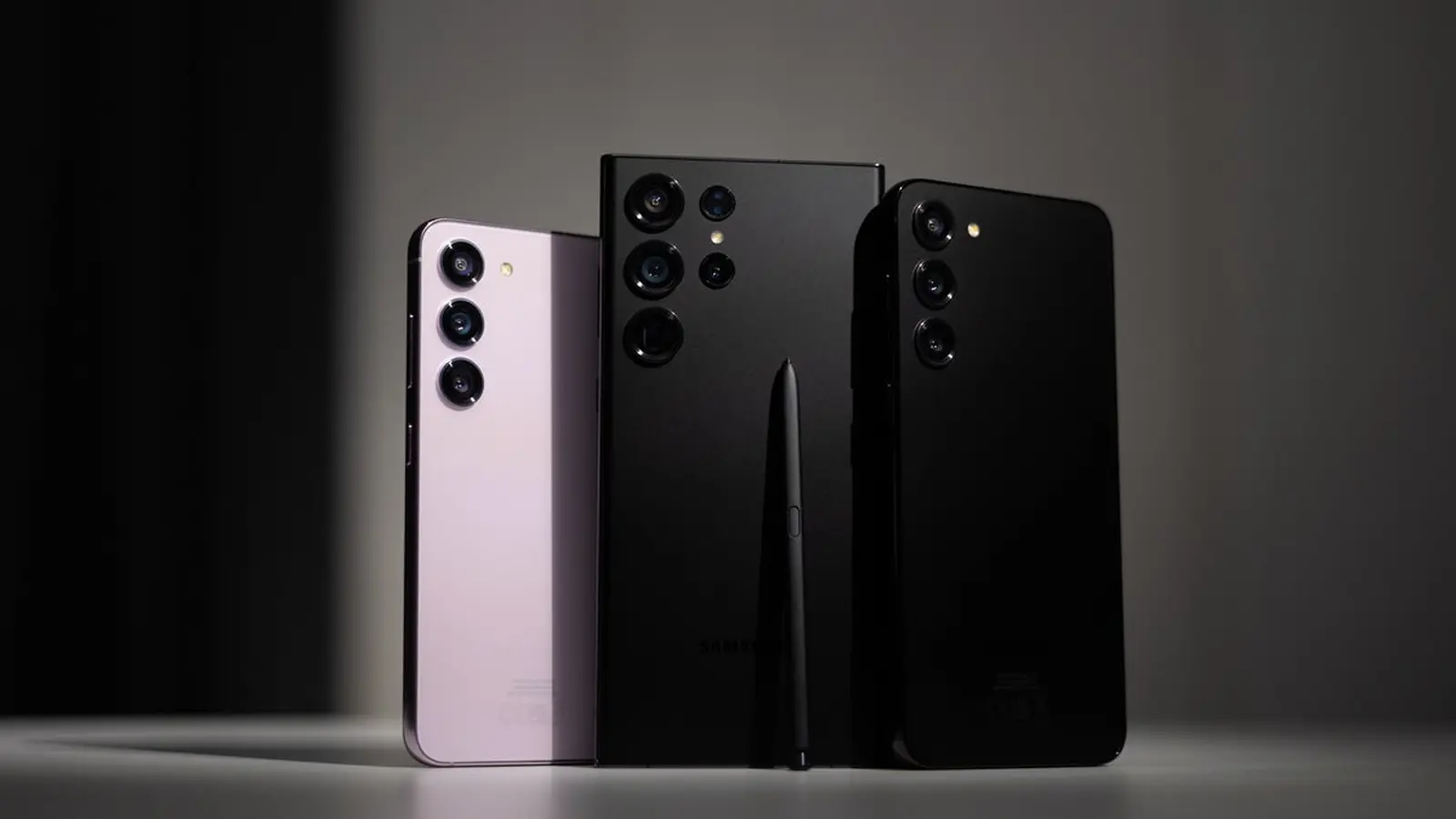
A week after One UI 8.5 began rolling out, Galaxy S23 owners opened their phones and felt shortchanged. The update landed like an incremental polish — new icons, small fixes — but one headline Android feature was missing. And not just missing. It ignited annoyance.
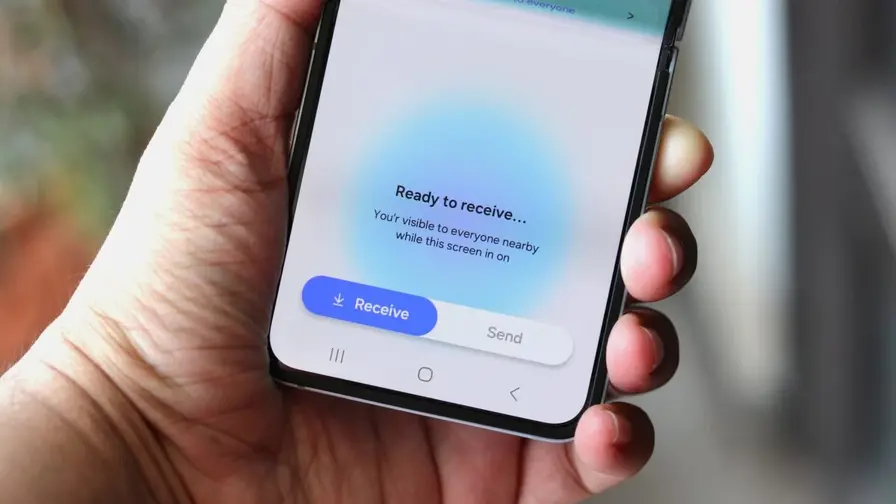
Users expected cross-platform convenience. Instead they found silence where AirDrop compatibility should have been. Quick Share works. It has for years. But the seamless, Apple-style AirDrop experience? Absent. The reaction on Reddit was sharp: posts calling the update a reskin, messages from owners who said the omission ruined their day, and accusations that Samsung was nudging people toward newer hardware.
Is the Galaxy S23 actually capable of supporting AirDrop under the hood? The short answer is: maybe. The longer answer gets technical fast. The Snapdragon 8 Gen 2 inside many S23 models includes Qualcomm's FastConnect 7800 subsystem, which brings Wi‑Fi 7 readiness and features like Multi-Link operation. Those capabilities can, in theory, enable the kind of fast, multi-channel wireless handling that Apple uses for AirDrop's AWDL protocol.
AWDL, or Apple Wireless Direct Link, is not a simple file-transfer API you can flick on. It relies on aggressive channel hopping and packet scheduling so a device can maintain an internet connection while shifting radio resources to a peer-to-peer transfer. That level of radio orchestration depends on firmware and driver-layer support, not only on the silicon itself. A chip can be powerful and still lack the right firmware hooks or vendor support to speak AWDL fluently.

One Redditor did a deep dive and pointed out exactly that: the hardware might be up to the task, but compatibility requires software-level work from Samsung, and possibly licensing cooperation with Apple. That distinction is crucial. It separates a hardware limitation from a deliberate product decision. Yet to users, the nuance reads the same when a beloved feature is nowhere to be found.
And then there are the whispers of planned obsolescence. People have used that phrase for years when manufacturers omit features from older, still-capable devices. It hits a nerve because no one likes feeling pushed into an upgrade cycle. Whether Samsung is intentionally gating AirDrop behind future models or simply prioritizing its own Quick Share ecosystem, the result is identical: frustration.
At its core this is a question about control — who decides which features reach which users, and why.
From a practical standpoint, Samsung's answer could be technical, legal, or strategic. Implementing AWDL cleanly may demand firmware changes, QA across regional variants, or even a deal with Apple that neither company has incentive to strike. On the other hand, leaving AirDrop off the S23 while rolling it out to newer models would be an expedient way to nudge owners toward upgrading.
Whatever the reasoning, the conversation is moving beyond tech specs into trust. Owners want clarity. They want the transparency that turns a gaffe into a fix, or a decision into a defensible roadmap. Samsung can silence this faster than a firmware patch by explaining the what and the why. Until then, users will keep comparing notes, testing workarounds, and asking the obvious question: why give the hardware the horsepower but not the keys?

Leave a Comment
Comments
No comments yet. Be the first.