
3 Minutes
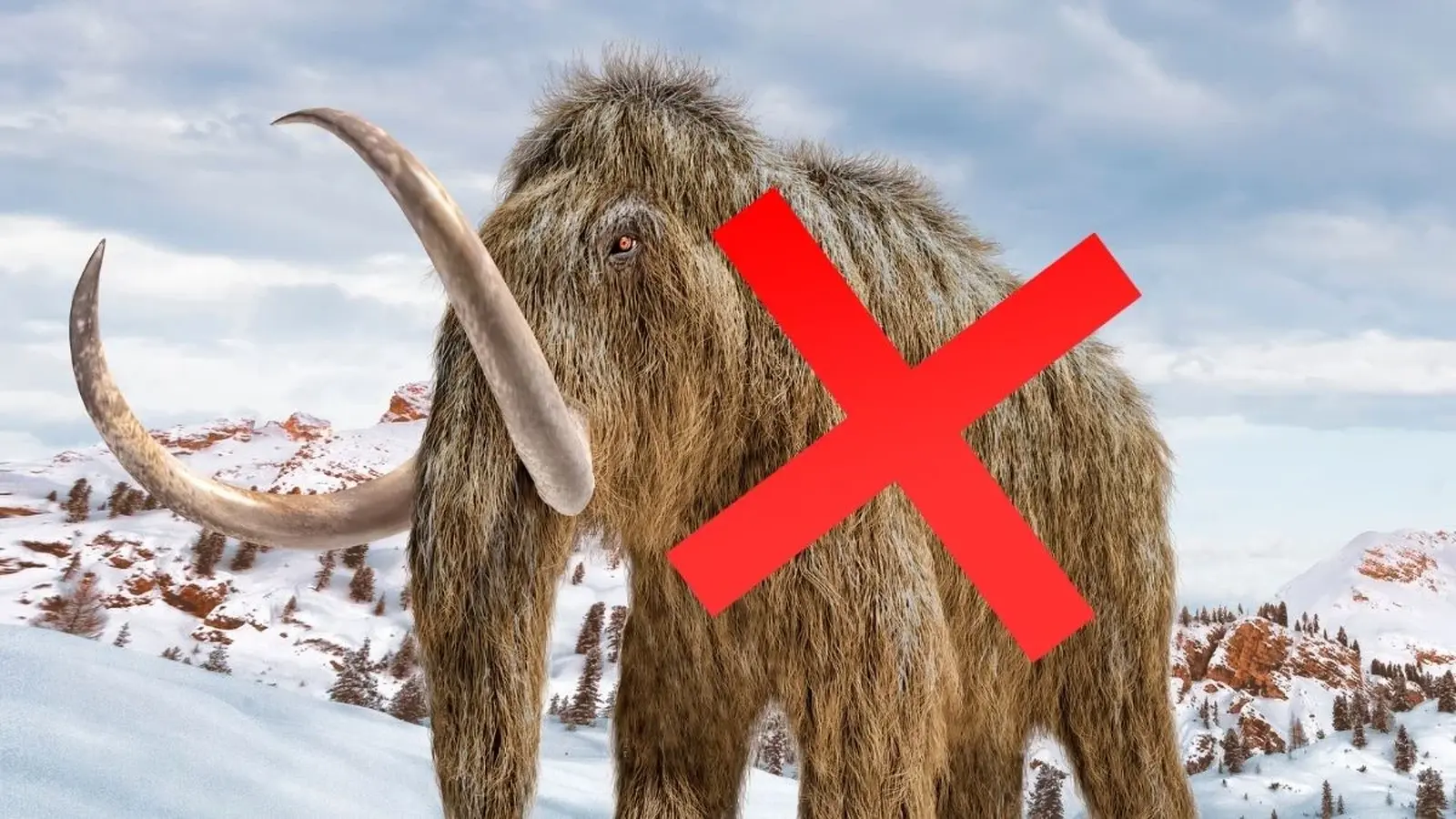
Picture this: a museum drawer labeled 'mammoth' for seven decades, housing a giant vertebra that everyone assumed came from an Ice Age elephant. It sounded right. The bones were huge. They were found deep in Beringia. And they were collected in 1951 by Otto Geist, an archaeologist working the Alaskan interior.
Geist brought the specimens to the University of Alaska Museum of the North, where the bones rested in catalogues and cabinets while science and techniques marched on. When researchers finally radiocarbon-dated the fossils, the labels began to unravel. Instead of the 13,000-plus years you’d expect for woolly mammoths, the carbon clock returned ages of roughly 2,000 to 3,000 years.
That mismatch alone raised eyebrows. But isotopes told a louder story. The bones were unusually rich in nitrogen-15 and carbon-13 — a chemical signature more at home in ocean food webs than on tundra grasslands. These were not mammoth bones—they were whales.
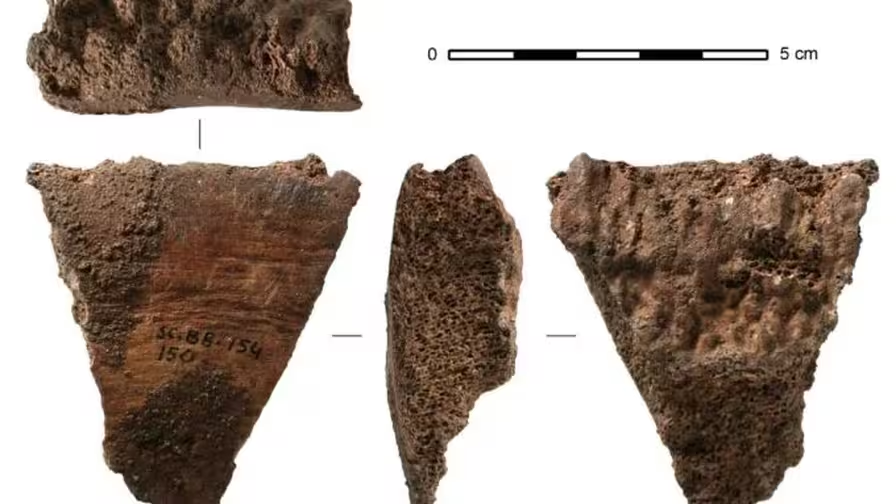
Physical shape had misled experts. Vertebrae of very large mammals can look deceptively similar after burial and decay. So the team, led by University of Alaska Fairbanks biogeochemist Matthew Wooller, turned to genetic sleuthing. Nuclear DNA was gone, too degraded to retrieve. Mitochondrial DNA, however, survived well enough for comparison. The sequences matched cetaceans — with affinities to species such as the Northern Pacific right whale and the common minke whale.
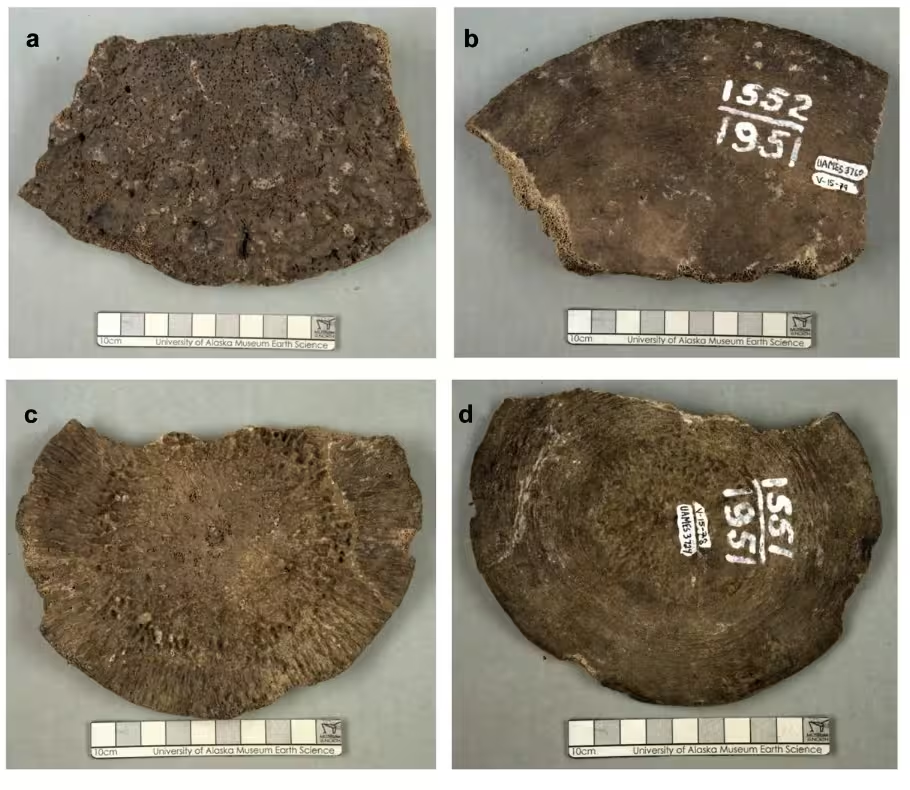
That answer introduced a new riddle. How do whale bones end up more than 400 kilometres inland from the nearest coastline? The authors of the study, published in the Journal of Quaternary Science in late 2025, considered three broad possibilities. First: rare inland incursions by wayward whales through ancient river mouths or ephemeral inlets. Technically feasible, but improbable for such large animals and for water bodies lacking the feeding resources whales need.
Second: humans moved the bones. Coastal peoples have hauled marine carcasses inland in other parts of the world, for food, tools, or ritual. There’s ethnographic precedent — though no clear archaeological trail yet connecting these particular specimens to human transport across interior Alaska.
Third: a curation error. Geist assembled many collections during the 1950s and donated widely. Could these vertebrae have been mislabeled or mixed with other material during decades of cataloguing and transfers? The museum’s long history and the fragmentary provenance make this a plausible part of the story.
Whichever pathway is correct, the episode is a sharp reminder: museum drawers are archives of stories that can change when new tools arrive. Radiocarbon clocks, isotope chemistry, and mitochondrial DNA can overturn assumptions that stood for generations. And sometimes a specimen that seemed to close a chapter on a species instead reopens questions about past environments, human behavior, and museum stewardship.
So the next time you walk past a display case, remember: bones keep secrets, and the ones in Alaska just rewrote their own chapter.

Leave a Comment
Comments
No comments yet. Be the first.