
2 Minutes
A trailer and a dish have quietly changed a corner of modern warfare. On June 8, the US Space Force added a new tool to its electromagnetic arsenal: Meadowlands, a trailer-mounted system developed by L3Harris that is built to find and shut down hostile satellites without firing a single kinetic shot.
At first glance it looks almost mundane — a parabolic antenna bolted to a wheeled platform. But it was engineered to be practical as well as potent: compact enough to be loaded into a large transport aircraft and refined from the Space Force’s earlier CCS Block 10.2 counter-communications design. The goal is simple. Sever the link between operators and their spacecraft.
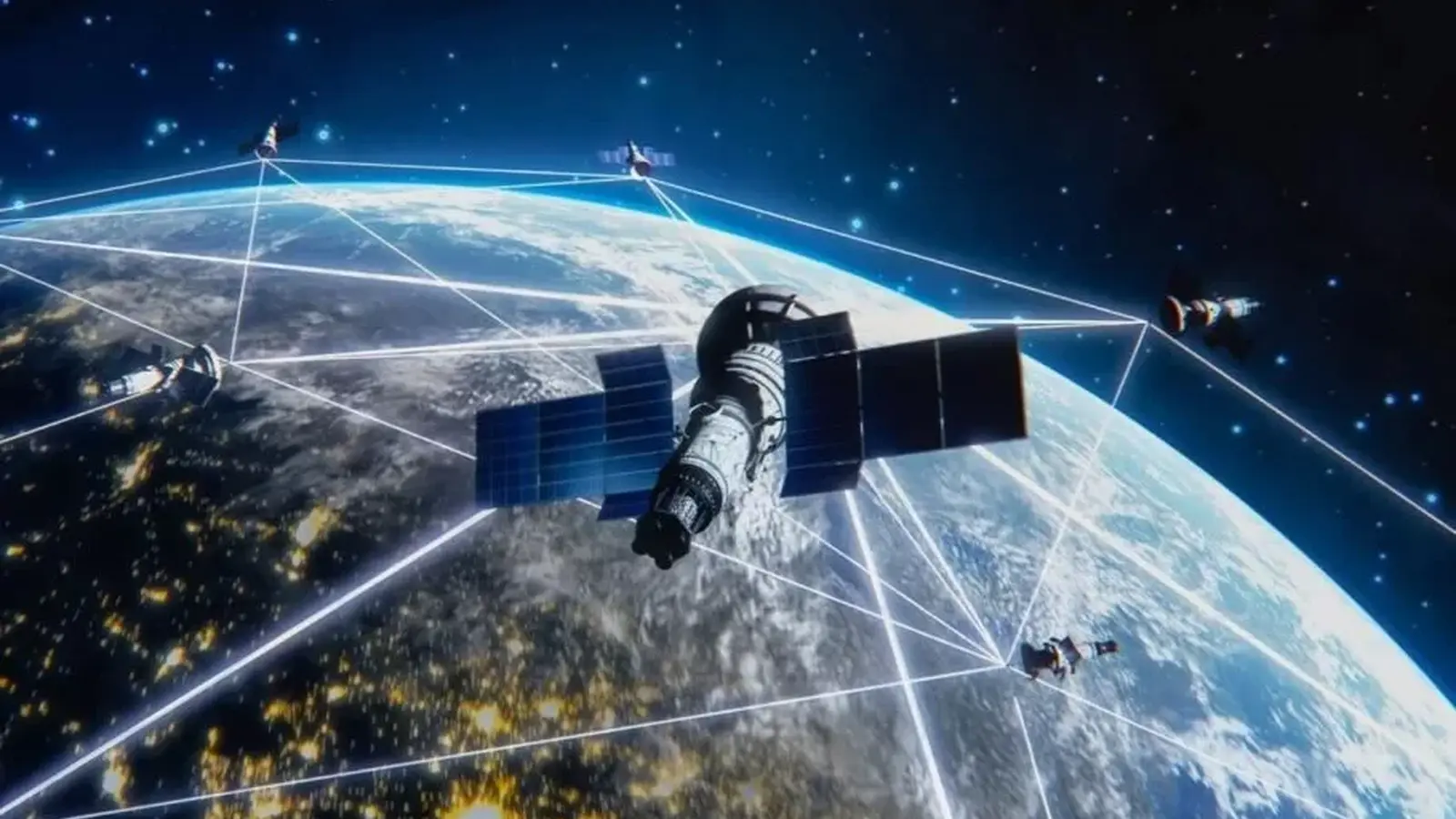
Meadowlands emits focused electromagnetic energy aimed at both uplink and downlink channels. In plain terms: it targets the satellite’s receiving antenna so commands can’t get through and telemetry can’t be relayed. When that happens, the spacecraft can’t receive instructions, process data, or perform routine operations — both software and hardware functions can be degraded or driven offline.

That non-kinetic approach is the key distinction. Other anti-satellite weapons rely on collisions or destructive intercepts, blowing holes in targets and scattering long-lived debris across orbits. Those fragments are a hazard to every spacecraft that follows. By contrast, Meadowlands interferes with a satellite’s communications and control without producing orbiting shrapnel.
This system can disable satellites' command-and-control paths without adding to the space debris crisis.
It’s also a sign of where priorities lie. The United States is investing heavily in counter-space capabilities and layered defensive tools that can detect, disrupt, and degrade adversary systems while trying to limit collateral damage in orbit. Still, disabling a satellite raises thorny issues of escalation, attribution, and international norms. Who gets to decide when a satellite is a legitimate target? How can civilian services be protected?
Meadowlands joins a growing toolbox of non-kinetic options that reshape how nations project power in orbit. It won’t answer those political questions for us, but it makes one thing clear: control of the electromagnetic spectrum above Earth will matter as much as control of territory below it.


Leave a Comment
Comments
No comments yet. Be the first.