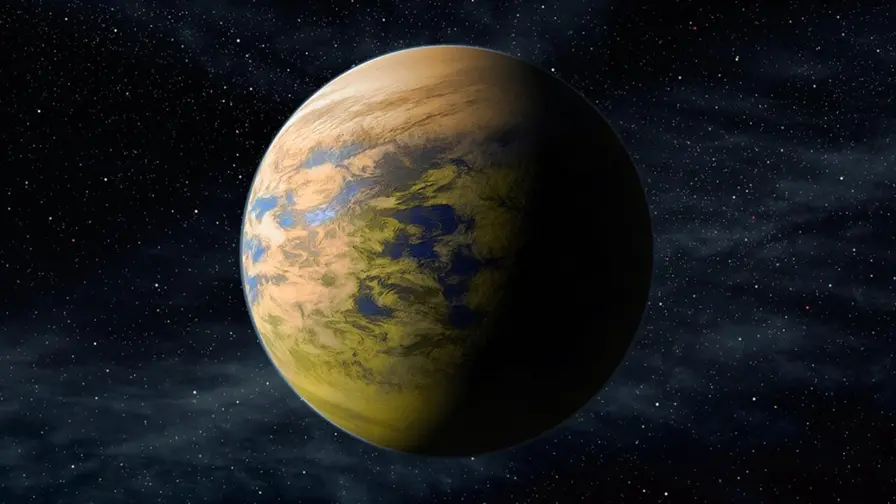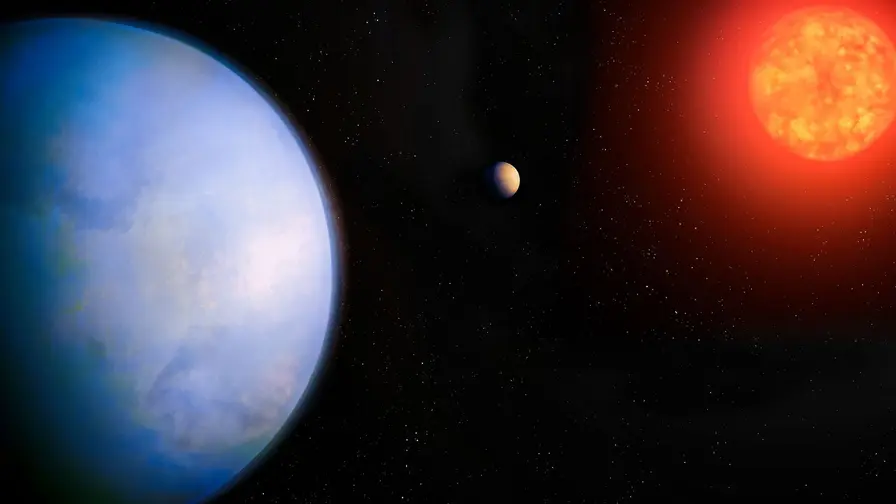
Read More Scince News Space 8 months ago Nearby Super-Earth GJ 251c: A Close Habitable Candidate Astronomers have identified GJ 251c, a nearby super-Earth candidate about 18 light-years away in its star's habitable zone. The discovery, made via radial velocity, makes this world a prime target for future direct imaging and atmospheric study.
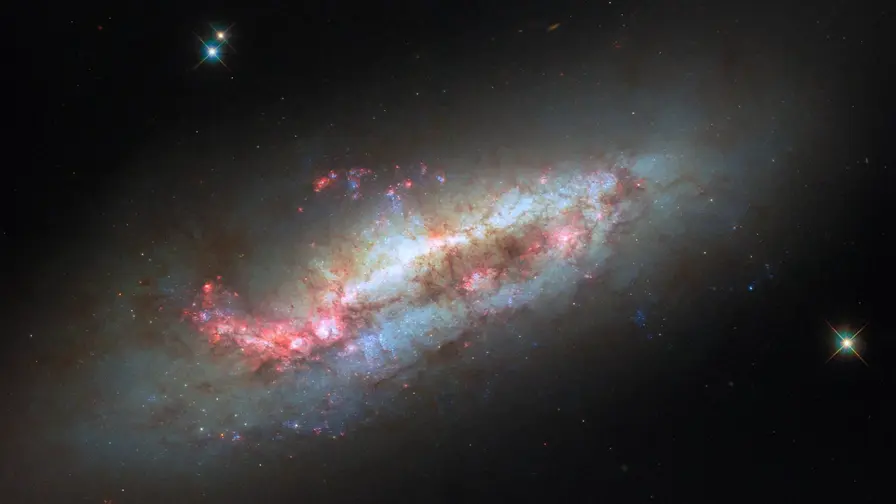
Read More Scince News Space 8 months ago Hubble Reveals NGC 6951's Radiant Ring of Starbirth Hubble’s image of NGC 6951 reveals a glowing circumnuclear starburst ring fueled by a central bar. Learn how gas inflow creates intense star formation and why astronomers repeatedly study this galaxy.
Read More Scince News Space 8 months ago Bizarre Titan Crystals That Defy a Chemistry Rule — New Study Laboratory experiments and computer models suggest hydrogen cyanide on Titan can form stable co-crystals with methane and ethane at -180 °C, challenging the 'like dissolves like' rule and altering interpretations of Titan's surface and prebiotic chemistry.
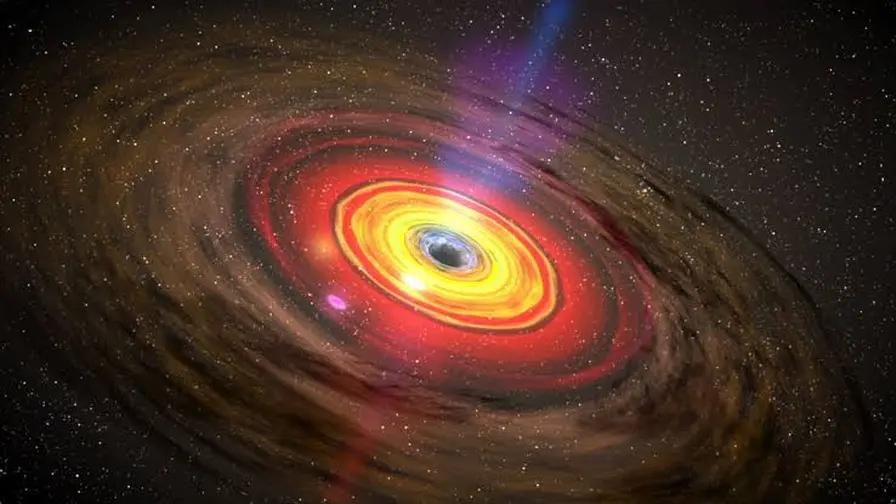
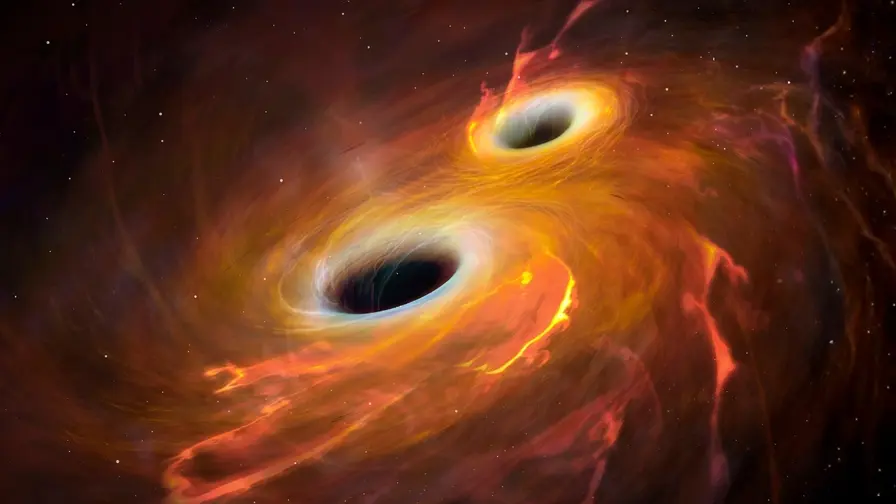
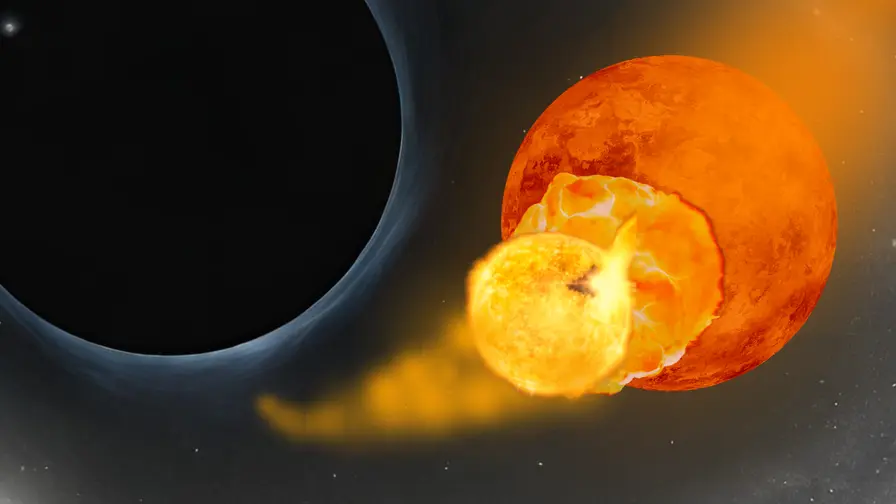
Read More Scince News Space 8 months ago Hearing Black Holes Ring: Hawking’s Area Theorem Verified GW250114, a clarifying black hole merger detected by upgraded LIGO detectors, provided the strongest observational test yet of Hawking's black hole area theorem and revealed distinct ringdown modes.
Read More Scince News Space 8 months ago Could Dark Matter Be Behind the Milky Way's Gamma Glow? New Milky Way simulations show the galactic-center gamma-ray excess could come from flattened dark matter annihilation as easily as millisecond pulsars. Upcoming telescopes may settle the debate.
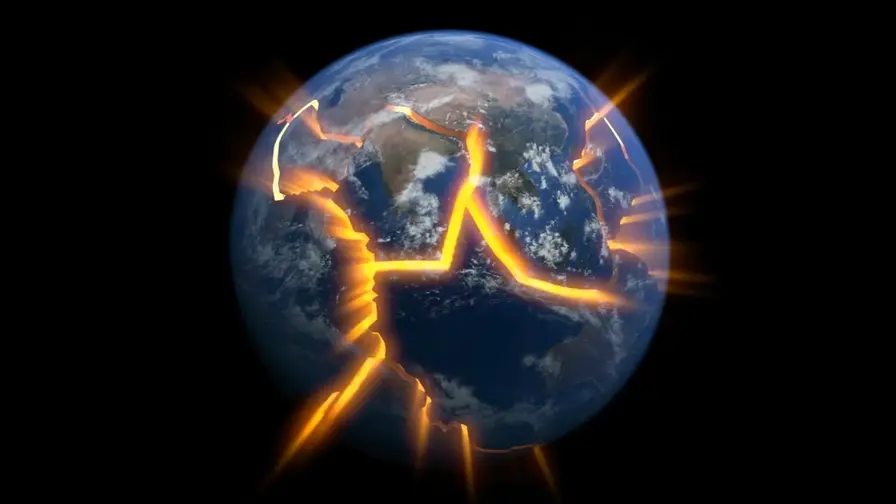
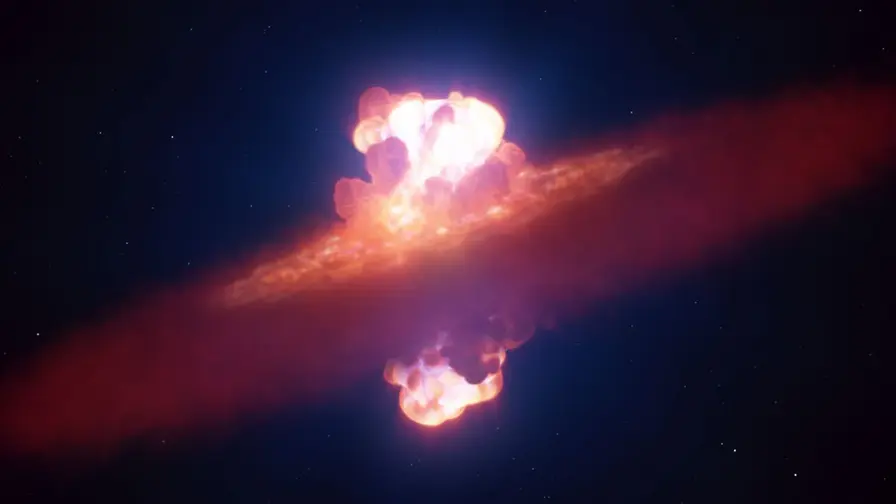
Read More Scince News Space 8 months ago Scientists Spot Proto-Earth Traces Hidden in Ancient Rocks MIT-led researchers detected a subtle potassium-40 deficit in ancient rocks that may preserve fragments of the proto-Earth predating the Moon-forming giant impact, challenging assumptions about early planetary mixing.
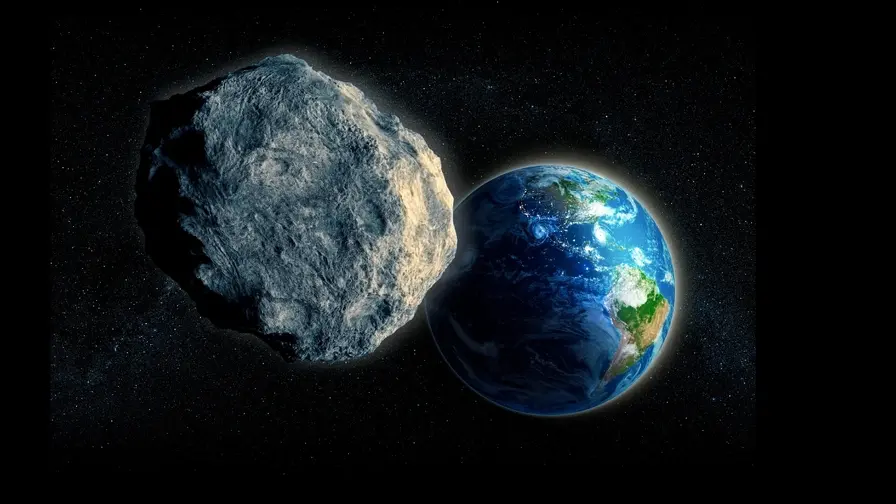
Read More Scince News Space 8 months ago Hidden Sun-Grazing Asteroid 2025 SC79 Discovered Near Earth Astronomers discovered 2025 SC79, a 700‑m Atira asteroid hidden near the Sun. With a 128‑day orbit inside Earth's path, it highlights detection limits, impact risks, and the need for improved twilight and space‑based surveys.
Read More Scince News Space 8 months ago Why Earth's Magnetosphere Carries the Wrong Charge Explained New satellite data and MHD simulations reveal a surprising charge reversal across Earth's magnetosphere: the morning sector is often negative and the evening sector positive in the equatorial plane, reshaping space weather models.
Read More Scince News Space 8 months ago Titan's Ice Breaks Chemistry Rules: Cyanide Co-crystals New research finds hydrogen cyanide can form stable co-crystals with methane and ethane on Titan, challenging the polar/nonpolar rule and reshaping ideas about prebiotic chemistry on the icy moon.
Read More Scince News Space 8 months ago Orionid Meteor Shower Peaks in Moonless Sky - Oct 21 The Orionid meteor shower peaks on the night of Oct. 21 under a new Moon. Expect fast, bright meteors from debris left by Halley's Comet — best viewing after midnight toward Orion.
Read More Scince News Space 8 months ago Moon Radio Telescopes Could Expose Dark Matter Soon Japanese simulations show the faint 21-cm radio glow from the Universe's Dark Ages could reveal dark matter properties. Lunar far-side radio telescopes may be the ideal way to detect this tiny signal.
Read More Scince News Space 8 months ago How CO2 Ice Blocks Carve Strange Gullies on Mars Today Lab experiments show CO2 ice blocks can burrow through Martian sand via rapid sublimation, carving gullies that mimic biological traces. The discovery reshapes how scientists interpret dune gullies and seasonal erosion on Mars.
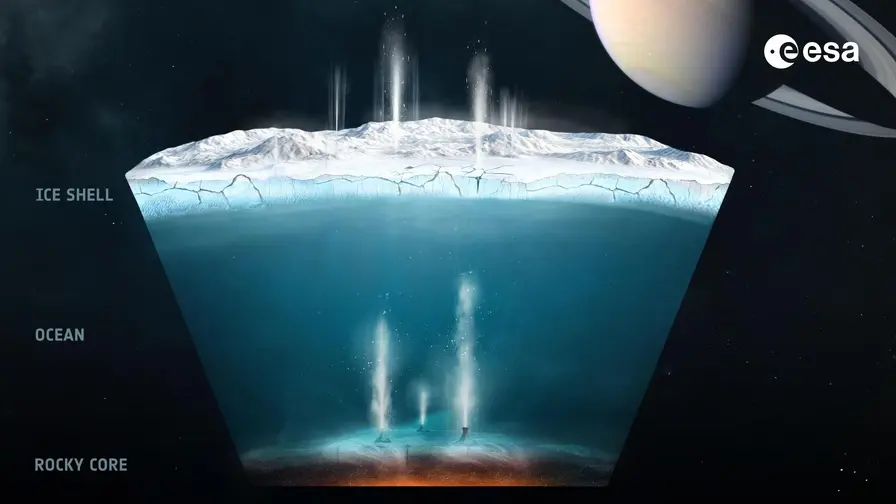
Read More Scince News Space 8 months ago Fresh Ice on Enceladus Reveals Organic Clues to Life Reanalysis of Cassini plume data reveals fresh, complex organic molecules in ice from Enceladus. Findings strengthen the moon’s candidacy as a potentially habitable ocean world and inform future ESA mission plans.
Read More Scince News Space 8 months ago Tiny Dark Blob Detected 7.3 Billion Light-Years Away Astronomers used gravitational lensing to detect a compact, invisible mass of roughly one million solar masses in a galaxy 7.3 billion light-years away — the smallest object ever found at cosmological distance by gravity.
Read More Scince News Space 8 months ago Planet Y: Hidden Earth-Size World Tilts the Kuiper Belt New analysis of Kuiper Belt orbits finds a 15° tilt between 80–200 AU, suggesting a hidden sub-Earth world dubbed "Planet Y." Researchers outline methods, simulations, and search implications for the outer Solar System.
Read More Scince News Space 8 months ago Which Planets Formed First in Our Solar System: New Views Scientists still debate which planets formed first. This article explains competing formation models, dating techniques like crater counting and radiometric analysis, and how future missions could resolve the timeline.
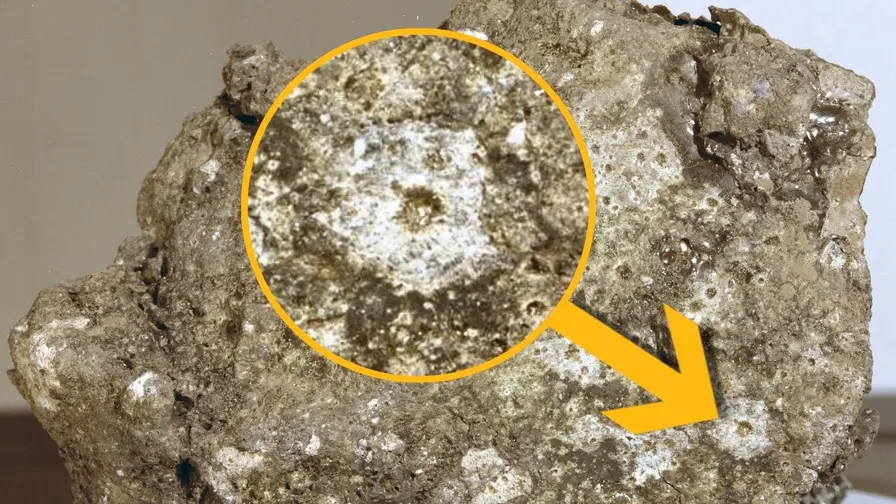
Read More Scince News Space 8 months ago Hidden Impact: New 11-Million-Year Tektites in Australia Scientists have found 11-million-year-old tektites in South Australia, revealing a previously unknown giant asteroid impact. The distinctive glass fragments lack an identified crater, reshaping our view of Earth's impact history.
Read More Scince News Space 8 months ago Why the Moon’s South Pole-Aitken Basin Hides Deep Secrets New analysis shows the Moon’s South Pole–Aitken basin was struck from the north, not the south. That revised impact direction means Artemis astronauts landing on the southern rim could access deep lunar material and KREEP-rich deposits.
Read More Scince News Space 8 months ago What Starship's 11th Test Means for NASA's Moon Plan SpaceX's Starship completed its 11th test flight with planned splashdowns, booster recovery and mock payload releases. The mission advances NASA's Artemis goals but highlights remaining technical challenges like orbital refueling and reusable heat shields.
Read More Scince News Space 8 months ago Hidden Solar 'Tornadoes' Reveal New Space Weather Risks High-resolution simulations reveal that small, tornado-like magnetic flux ropes can form in the solar wind when coronal mass ejections collide with slower plasma, posing a previously underestimated risk to Earth’s infrastructure and forecasting systems.