
3 Minutes
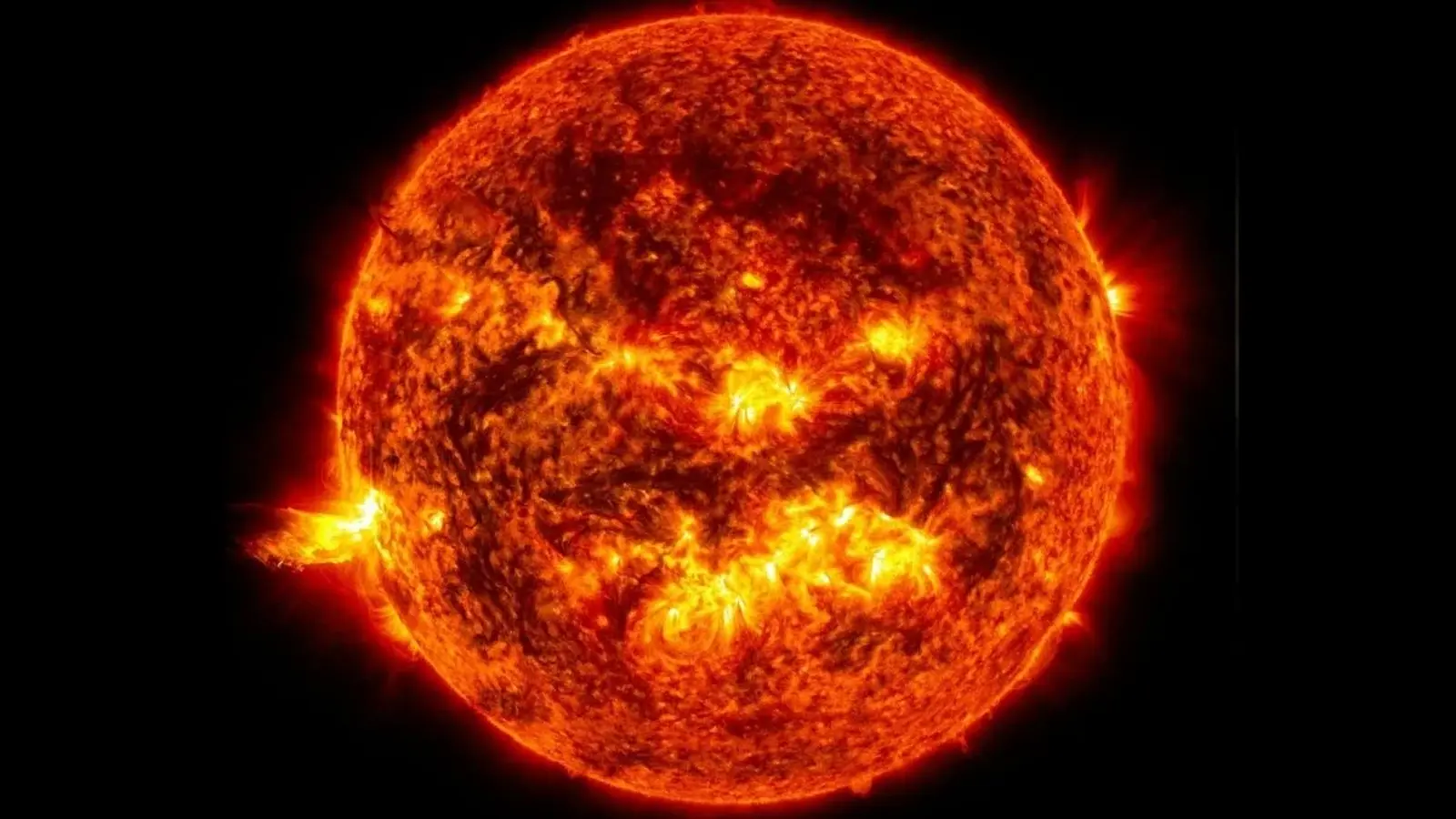
Imagine a radio signal from the Sun that simply wouldn't quit. It started on an ordinary August morning in 2025 and kept broadcasting for 19 days straight, staking a claim as the longest solar radio burst ever recorded.
We usually think of the Sun as dramatic, but predictable in its moods. Flares. Coronal mass ejections. Auroras that surprise onlookers at high latitudes. This event was different. The radio emission was a Type IV burst, born when energetic electrons become trapped in looping magnetic fields and spiral, shedding energy as radio waves. Those bursts can last hours or a few days. Nineteen days is another animal entirely.
.avif)
No single spacecraft saw the whole story. Instead, a quartet of probes — NASA's STEREO, Parker Solar Probe and Wind, plus ESA/NASA's Solar Orbiter — acted like a dispersed camera team, each catching part of the performance as the Sun rotated. Picture a relay race across space: one satellite picks up the baton, then another, until the whole stretch is mapped out.
Using a fresh analysis method applied to STEREO data, researchers traced the source to a helmet streamer, a V-shaped magnetic structure in the Sun's outer atmosphere that you can glimpse during total eclipses. Helmet streamers are magnetic reservoirs, arching and funneling field lines far from the solar surface. In this case the reservoir was repeatedly fed.
Three coronal mass ejections erupted from the same region in quick succession, essentially recharging the magnetic trap and keeping electrons confined and noisy for far longer than usual. Think of it as topping up a spinning top over and over so it keeps spinning well past the point it normally would stop.
Why should anyone care? Because radio bursts are more than a curious signal. The magnetic environments that spawn them can also launch energetic particles and magnetic clouds that damage satellites, interfere with spacecraft operations and, in extreme cases, disrupt power grids on Earth. The longer and stronger the source remains active, the larger the window of risk.
.avif)
Pinpointing the structures that give rise to persistent radio emission is a direct step toward better space weather forecasting and protecting the systems we rely on.
The multi-spacecraft approach was crucial. Each probe saw only a slice of the event as the Sun's rotation moved the source region in and out of view. Combining those slices gave a 3D sense of where the burst came from and how it evolved — a good reminder that the solar system is best observed as an ensemble, not a solo performance.
The findings, reported in The Astrophysical Journal Letters, sharpen our picture of how repeated eruptions can supercharge magnetic traps and sustain radio emission for weeks. They also give mission planners and forecasters new clues about when a seemingly routine active region might linger and pose prolonged hazard.
The Sun remains unpredictable. But with more eyes in space and smarter ways to stitch their data together, we are finally learning to read its longer stories — and to brace for the ones that refuse to end.

Leave a Comment
Comments
No comments yet. Be the first.