
3 Minutes
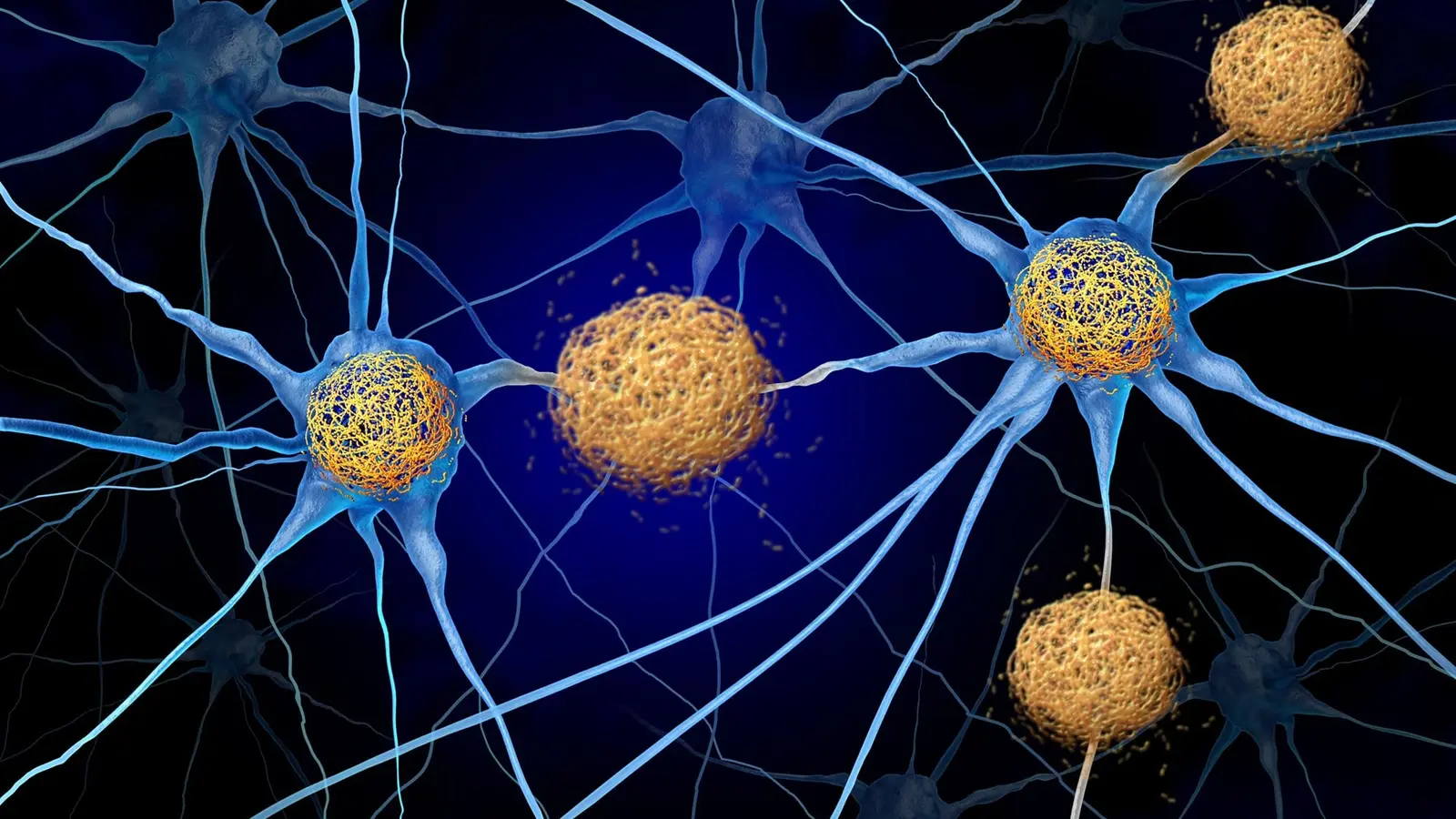
Imagine a symphony where the conductor quietly decides which instruments should carry a melody years after the score was written. Now swap musicians for neurons and the baton for a protein called tau. A team led by Flinders University has found that tau does more than turn up in Alzheimer’s tangles — it helps pick and stabilize the neurons that keep a memory alive.
The paper, published in Nature Communications and carried out with colleagues at the University of New South Wales and Macquarie University, looks at “remote” memories in mice — the recollections that surface days or weeks after an event. Short-term recall? Intact. Learning something new? Often still possible. The problem appears later, when memories are meant to endure.
Associate Professor Arne Ittner and lead author Renée Kosonen traced this durability back to a small subset of brain cells called engram cells: the physical trace of a memory. Only a few cells are enlisted to store a given experience. Tau acts during that enlistment, pruning noise and helping the brain choose a clean, specific cohort to represent the memory. Without tau’s subtle guidance, memories can form in the moment but lack the strength to survive the passage of time.
Tau itself is transformed during learning by a chemical tweak called phosphorylation. That modification, at low and controlled levels, seems to act like a timed signal — not a defect. It coordinates which engram cells fire together and which stay silent, sharpening the memory trace. Paradoxically, the same molecular process, when it runs amok, is a hallmark of Alzheimer’s disease.

Tau isn't merely a culprit in disease — it's a conductor for memory.
What happens when tau is abnormal? The team introduced disease-linked forms of tau into engram cells and watched two different failures unfold. If abnormal tau was present while the mice were learning, the formation of new memories faltered. If the tau pathology arrived later, it didn’t erase the trace so much as sever the links that natural cues use to summon those memories. In both scenarios, brain activity patterns grew noisy and disordered, interfering with the organization and retrieval of memory.
There’s an intriguing twist. Even when tau was missing, the memory traces themselves could still be accessed by directly stimulating engram cells. In other words, the memory could remain encoded somewhere in the circuit, but tau appears necessary to tie ordinary sensory cues back to that stored information. Think of tau as the librarian who knows which catalogue cards map to which shelves; without the librarian, the books exist, but finding them becomes a problem.
Caveats are important. These experiments were done in mice, and brain complexity scales up in humans. Still, the study reframes tau from a one-dimensional villain into a double-edged player: essential for healthy memory organization yet destructive in its diseased forms. That nuance opens a strategic window. If scientists can learn how to preserve or mimic tau’s organizing role while preventing its harmful aggregation, new treatments might one day shore up memory in dementia patients.
Questions remain. Can we target the phosphorylation that helps memory without triggering the phosphorylation that harms it? Can therapies restore the link between cues and engram cells without wiping out the trace itself? The answers will matter far beyond the lab mouse — for anyone who has ever watched a loved one struggle to hold on to what used to be familiar.

Leave a Comment
Comments
No comments yet. Be the first.