
3 Minutes
A drug duo once celebrated as a potential anti‑aging breakthrough may be doing exactly what no one wants: stripping the brain of its insulation.
Dasatinib plus quercetin — abbreviated D+Q — has been one of the most talked‑about senolytic combinations in labs and early trials. The idea is elegant: remove worn‑out, inflammation‑promoting cells and let tissues work more cleanly. The results, however, are rarely so tidy.
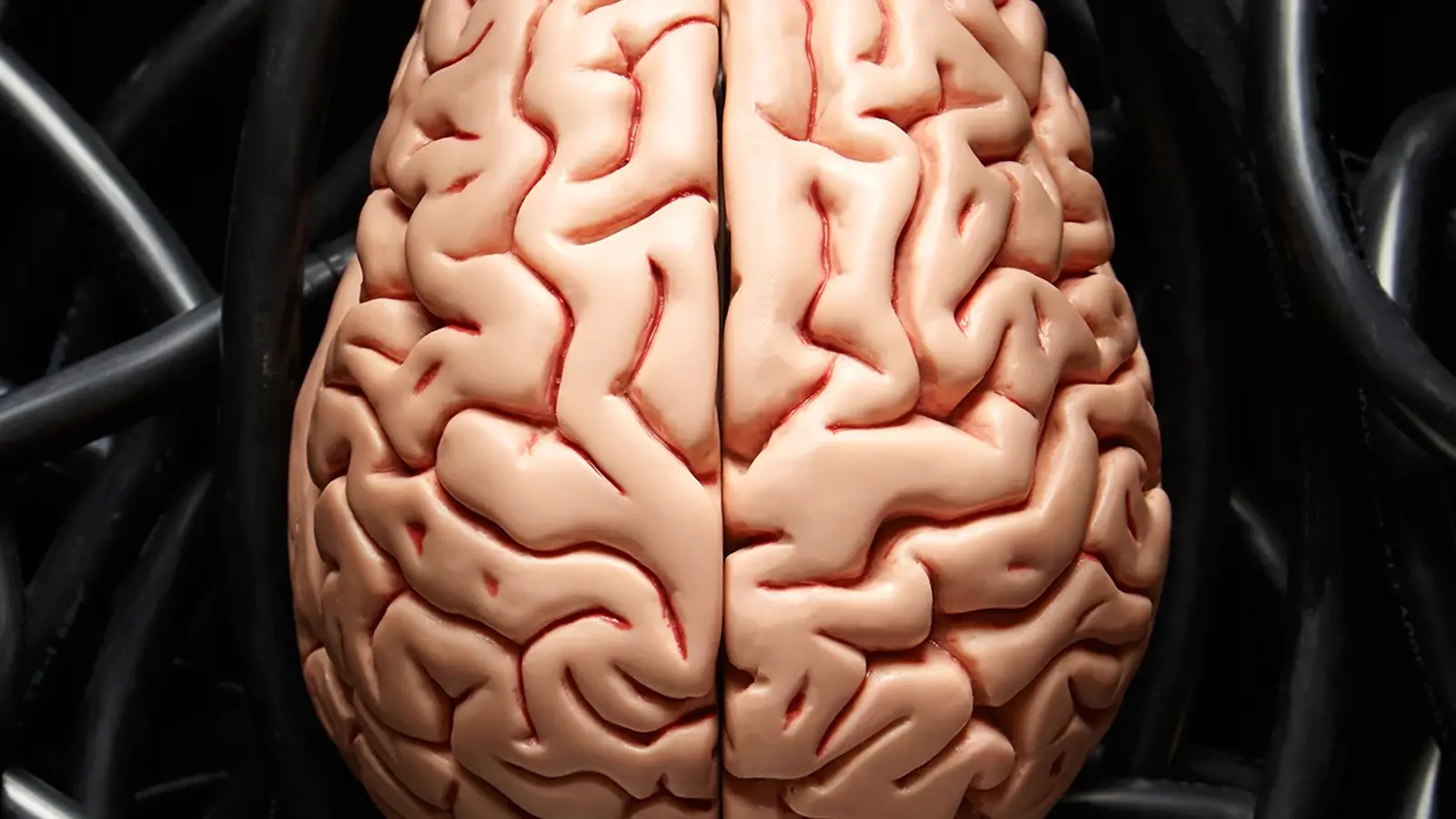
Researchers at the University of Connecticut put D+Q under the microscope in mice and found alarming changes in the brain. Myelin, the fatty sheath that speeds electrical signaling along neurons, thinned dramatically in treated animals. The damage clustered around the corpus callosum, the thick cable of fibers that connects the brain’s hemispheres — a location you don’t want to see fall apart.

The study didn’t stop at tissue slices. In culture, the drugs altered oligodendrocytes, the cells responsible for making and maintaining myelin. Those cells appeared to retract their complexity and shift metabolism into a lower gear, a state resembling a younger but less capable cell. Energy pathways seemed choked off, and the downstream effect was simple and brutal: less myelin, more exposed axons.
That pattern echoes familiar clinical pictures. Neurologists liken it to aspects of multiple sclerosis and the so‑called “chemo brain” cognitive problems seen after some cancer treatments. Dasatinib is itself a cancer medication, used in certain leukemias, and its interaction with quercetin — a plant compound sometimes sold as a supplement — may explain why the combo behaves differently in the nervous system than each drug alone.
Why does this matter beyond the lab? Because D+Q isn’t confined to bench benches and controlled trials. Clinical studies are already testing the pair for conditions such as chronic kidney disease and pulmonary fibrosis, and a number of people take the drugs off‑label as part of do‑it‑yourself anti‑aging regimens. Those informal practices worry clinicians: safety profiles from small animal studies don’t always predict human outcomes, but they are a flashing yellow light.
“When you give this cocktail to an animal, young or old, the myelin is damaged — worse in the young animals than the aged ones,” the study’s senior investigator observed, underscoring that the effect was not limited to aged brains. The authors recommend close monitoring of central nervous system health in future trials and a careful reexamination of off‑label use while more data are gathered.

There is, oddly, a silver lining. The injured oligodendrocytes in treated mice resemble cells found in patients with MS. That similarity means the D+Q model could become a tool: a way to study how oligodendrocytes fail and test strategies to coax them back into rebuilding myelin. In other words, the very mechanism that raises alarm might also help researchers solve a different problem.
For now the message is restraint. Senolytics carry promise — clearing senescent cells could reduce inflammation and shift the trajectory of many age‑linked diseases. But promise is not a license. Until investigators pin down why D+Q affects myelin and whether those effects translate to humans, the safest course is rigorous clinical monitoring and caution against self‑medication.
The paper, released in PNAS, should make any clinician or participant in senolytic trials pause and ask: are we tracking the brain closely enough? That question will likely shape how D+Q and similar drugs move from the lab bench into broader use.
Patients and clinicians alike need clear evidence on neural safety before treating aging as if it were an enzyme to be tuned overnight.


Leave a Comment
Comments
No comments yet. Be the first.