
3 Minutes
Buttons make a comeback. That’s the first thing you notice about Amazfit’s new Balance duo: more physical controls, brighter glass, and batteries that actually last when your schedule doesn’t. It’s not a cosmetic refresh. It’s a shift toward giving swimmers, racers and desk warriors the tools to track, train and recover without constant recharging.
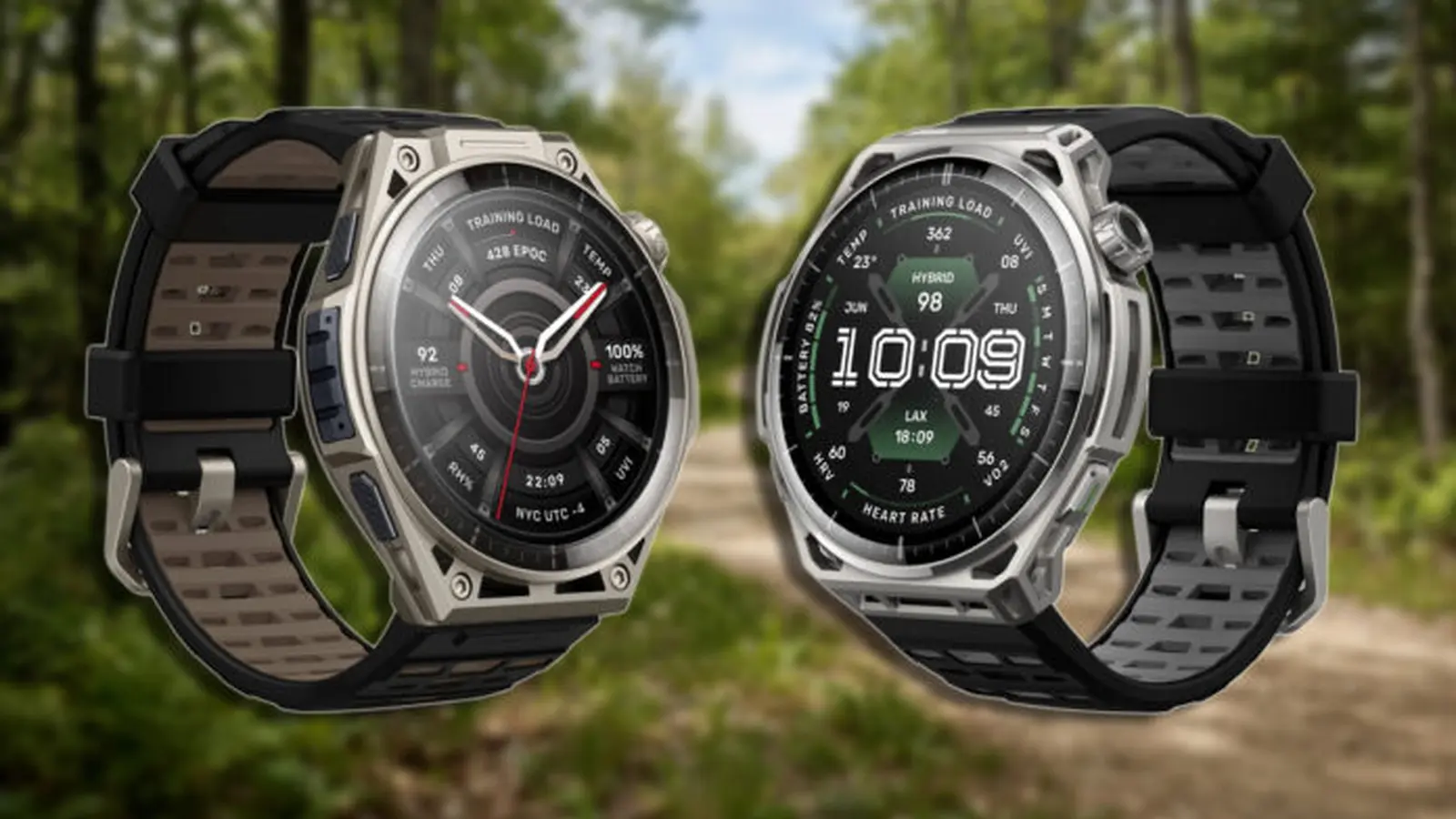
The standard Balance 3 steps up to a 1.5-inch OLED with a 480 × 480 pixel canvas under sapphire glass and a peak brightness pushed to roughly 3,000 nits—about 50% brighter than before. The watch trades subtlety for utility with four buttons: the familiar rotating crown and right-side button remain, now joined by two extra keys on the left to trigger workouts, laps or shortcuts on the fly.
 |  |
Battery life stays competitive. The Balance 3 packs a 658mAh cell rated for up to 21 days of typical use, while its dual-band GPS lasts up to 41 hours in Accuracy Mode, versus 33 hours on the Balance 2. The case is available in stainless steel with a titanium variant arriving soon. The chassis is thicker and a touch larger—51.4mm across and 12.5mm deep (14.6mm with the HR sensor)—but it’s also certified to 10 ATM and cleared for open-water swim and free dives down to 45 meters.
The Balance Ultra goes further. Built in titanium, it nudges the diameter to 51.8mm and the thickness to 13.4mm (15.5mm with the heart-rate sensor), and its 780mAh battery promises roughly 30 days of normal use and about 50 hours with GPS in Accuracy Mode. You get five hardware buttons in total—three on the left—plus the same 1.5-inch OLED, microphone and speaker, BioTracker 6.0 PPG sensor, dual-band GPS and a generous 64GB of onboard storage for maps, podcasts and music.

- Display: 1.5" OLED, 480×480, sapphire glass, ~3,000 nits
- Balance 3 battery: 658mAh — up to 21 days; GPS Accuracy Mode: 41 hours
- Balance Ultra battery: 780mAh — up to 30 days; GPS Accuracy Mode: 50 hours
- Water resistance: 10 ATM, suitable for open-water swimming; free diving to 45m
- Sensors & storage: BioTracker 6.0 PPG, dual-band GPS, 64GB offline storage
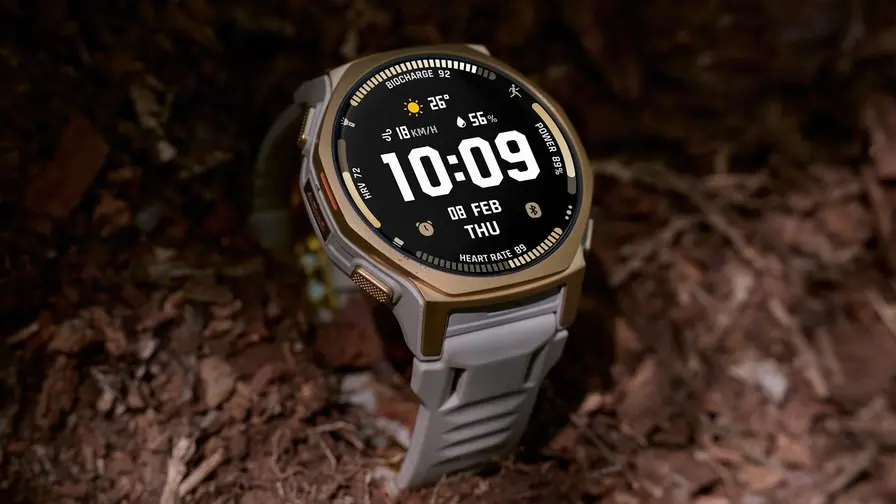
Why the extra buttons? Because touch-only interfaces can be frustrating when you’re sweating, cold, or wearing gloves. Physical controls make workouts smoother and training sessions less fussy. Amazfit positions this lineup as the centerpiece of a new Hybrid Training system, with the revamped Zepp app as the brain orchestrating data, plans and recovery cues.

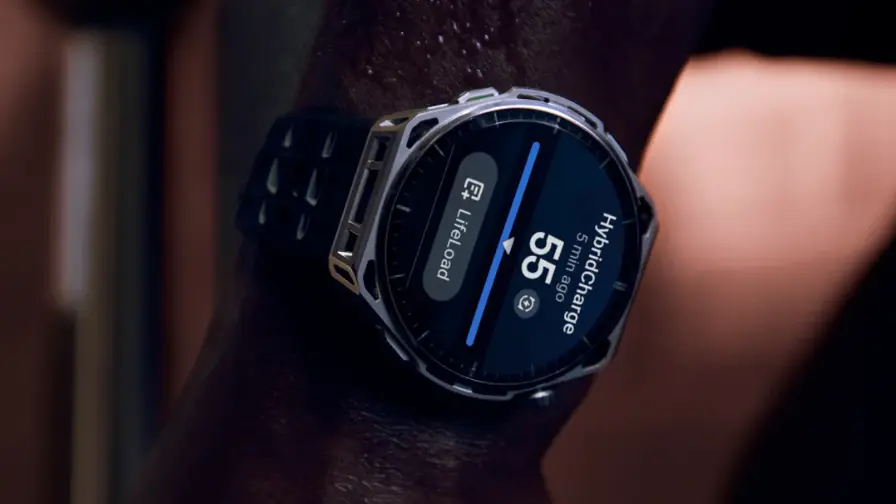
The company leans into coaching credibility, too: Amazfit is now an official HYROX partner and offers structured prep plans, race simulations, virtual pacing and event-focused workouts. On the biometric side, the new HybridCharge concept blends three signals. BioCharge estimates your body’s energy and recovery; LifeLoad tracks lifestyle stressors and daily strain; Training Load measures workout-induced fatigue. Think of it as a three-way conversation about how much you can push and when you should back off.

Prices have crept up. The stainless-steel Balance 3 goes on sale now at £370—compared with £300 for the Balance 2—while a titanium Balance 3 is slated for £450. If you want titanium today, the Balance Ultra is available at £600 and ships with two straps (synthetic leather and silicone). It’s a small premium for extra runtime and a tougher case, but the question remains: do you want a watch that follows you through long training cycles, or one that needs a nightly charge?
Either way, Amazfit has made its choice clear: more controls, more endurance, and a firmware and app ecosystem that expects you to train harder and recover smarter—no compromises required.

Leave a Comment
Comments
No comments yet. Be the first.