
2 Minutes
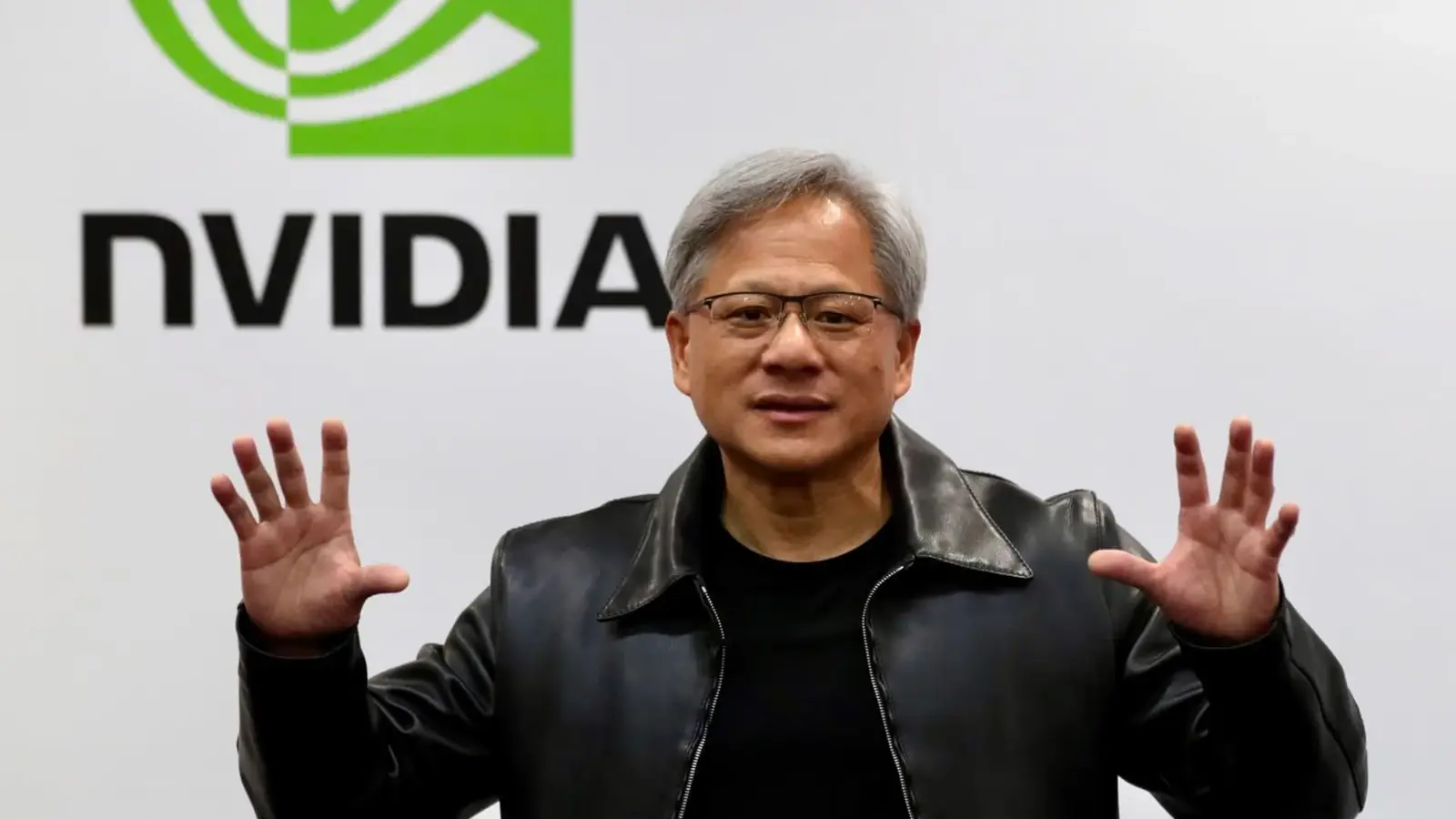
When Jensen Huang drops a line about supply chains, the industry pays attention. He did more than pay lip service in Seoul: the Nvidia CEO told reporters that the global shortage of RAM and other AI-critical components is not a short-lived hiccup but a multi-year problem.
The comment came on the eve of what could be a notable announcement. Nvidia and South Korea's SK Group are expected to reveal joint plans, with Chi Tae-won and Huang set to brief the press. A spokesperson from SK Hynix confirmed the executives will speak together on Monday, hinting the partnership could stretch beyond memory chips into broader AI hardware collaborations.
Why is memory so stubbornly scarce? The answer is simple and brutal: demand is sprinting faster than supply can scale. Wafers are booked out. Chip packaging capacity is strained. Emerging areas like silicon photonics add another layer of complexity. All this happens while hyperscale datacenters and AI accelerators gobble up more DRAM and high-bandwidth memory than ever before.

Huang used a plain phrase: this shortage will last for several years. Short sentence. Heavy implication. Companies building large models need massive pools of memory, and that appetite shows no sign of shrinking. The result is a market where supply-side constraints, from fabrication to advanced packaging, create bottlenecks that ripple across PCs, servers, and robotics platforms.
The Seoul meeting was deliberately low-key. Executives met over a meal rather than a formal boardroom event, according to people familiar with the talks. That informality often signals serious intent: partners hashing out long-term commitments, aligning investments, and exploring co-development across AI supercomputers, processors, and consumer devices.
What should we expect next? More vertical tie-ups. More long-term purchase agreements. Greater capital directed at wafer fabs and backend packaging. And yes, continued pressure on pricing for memory modules. For buyers and builders of AI infrastructure, that means planning for tighter supply and longer lead times.
Markets adapt. They always do. But adaptation takes money, time, and coordination between chip designers, foundries, and memory makers. If Monday's announcement signals a deeper strategic alignment, it could be a turning point — or simply the start of a long road toward capacity catch-up.
Keep an eye on the details when Huang and Chi take the stage: the way they structure collaboration may determine who gets access to memory when the next wave of AI projects comes online.

Leave a Comment
Comments
No comments yet. Be the first.