
3 Minutes
Nissan refreshes the Z with a nostalgic yet modern facelift
Nissan is bringing a refreshed 2027 Z to market this summer, blending heritage styling cues with contemporary refinement. The mid-cycle update is subtle but deliberate, intended to celebrate the model's lineage while sharpening its appeal to drivers who want a rear-wheel-drive sports car with modern presence.
Design: a clear nod to the past
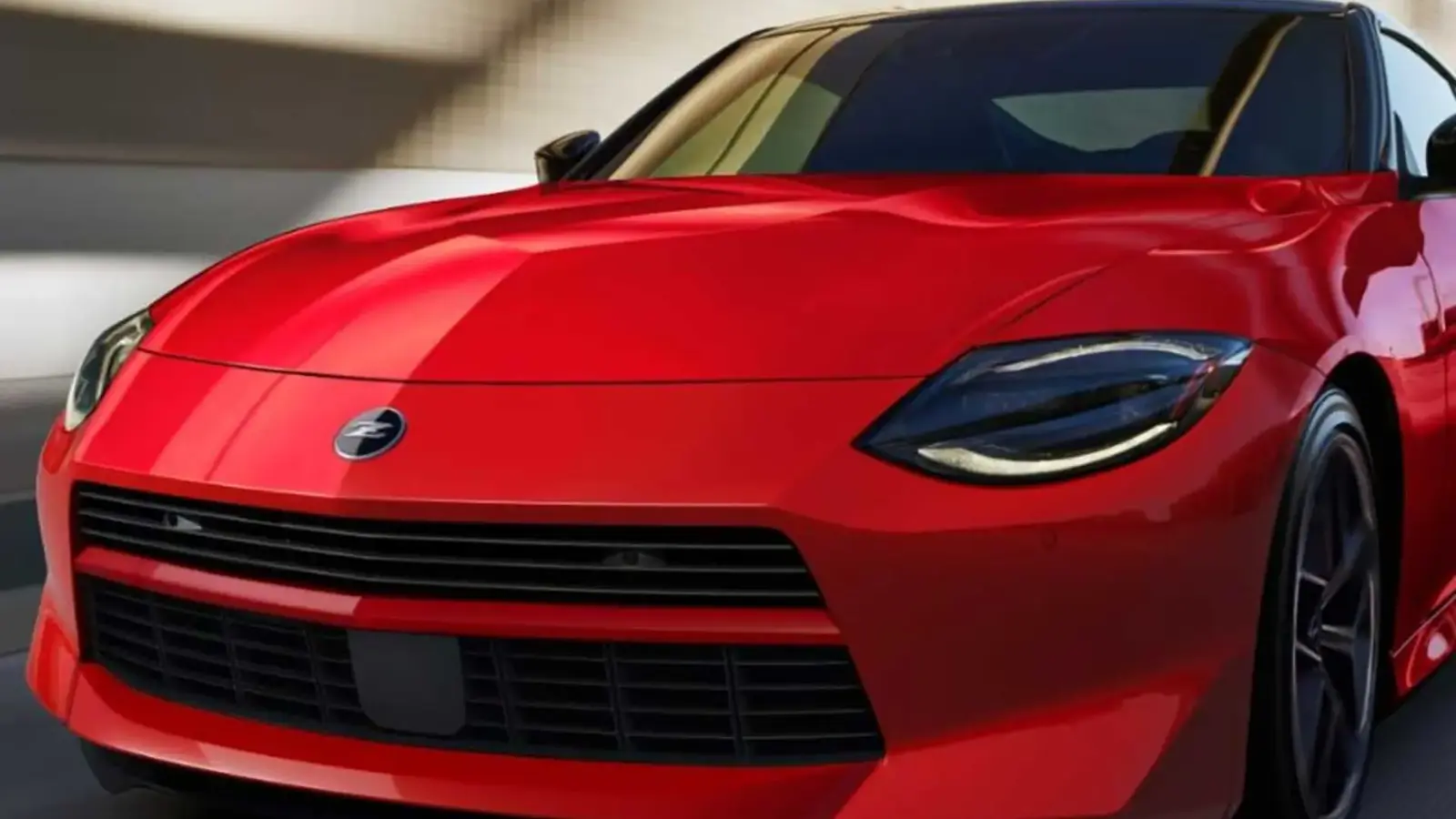
The most eye-catching revision is the reworked front end. Nissan has adopted a two-piece grille that channels the iconic Datsun 240Z, paired with a redesigned Z emblem that echoes early Z-badging. The result is a purposeful face that links the new car to its celebrated ancestors without feeling like a retro copy.

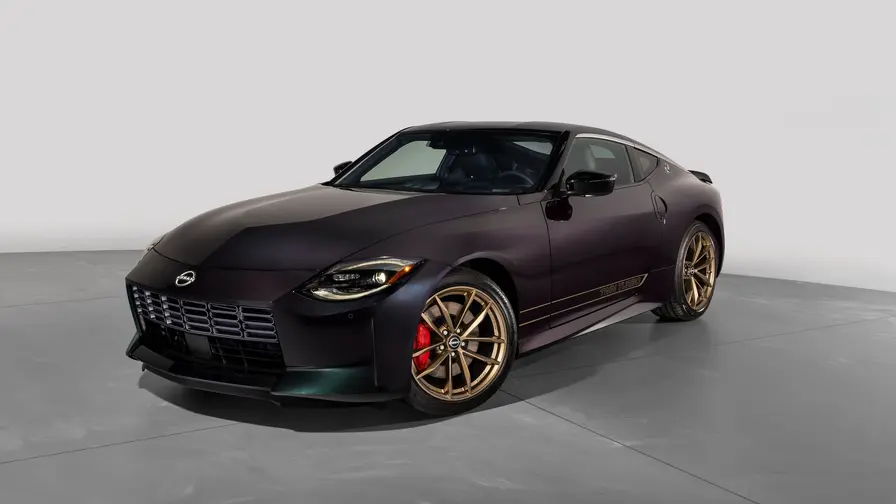
Performance-oriented details lean into classic inspiration as well. The Performance grade receives new 19-inch RAYS wheels, a ten-spoke star design that recalls the popular 300ZX. Those wheels frame larger brake discs and red calipers, while the rear rims are half an inch wider than the fronts for a more planted stance. All versions ride on Bridgestone Potenza S007 tires to help maximize grip.
Highlights:
- Two-piece front grille inspired by Datsun 240Z
- New 19-inch RAYS ten-spoke wheels on Performance models
- Wider rear track and Bridgestone Potenza S007 tires
Color and cabin updates
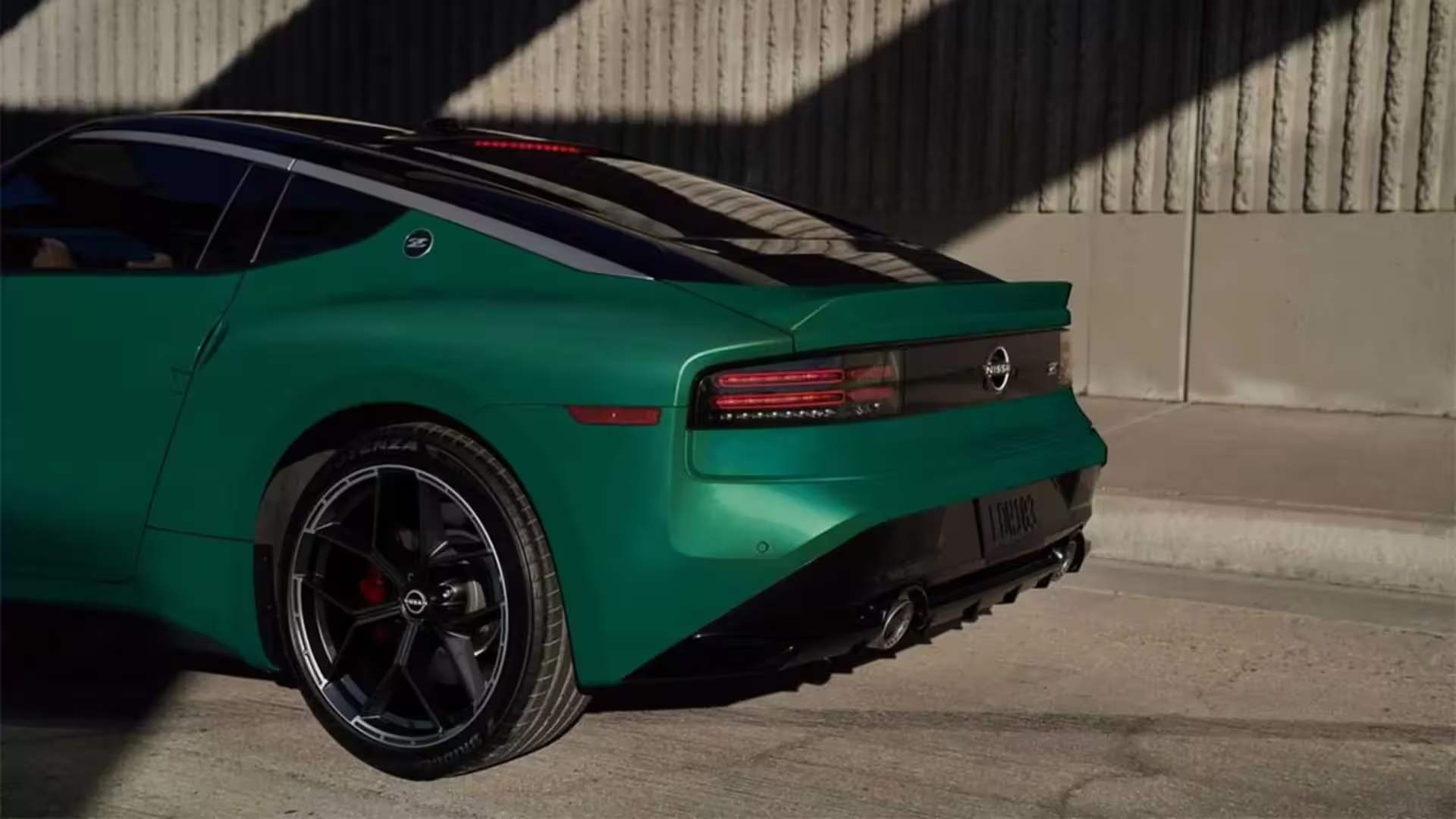
Nissan introduces a new Deep Sea Metallic green, an homage to the Grand Prix green of the original Z. The pigment mixes blue and yellow undertones with metallic flakes for strong visual depth. Inside, a brown leather trim contrasts with black dash and door panels, evoking classic sports-car interiors while remaining contemporary. This brown-and-black interior will be offered with a range of exterior colors.
A small but fan-pleasing touch is the multimedia startup animation in Sport and Performance trims: it cycles through historical Z models before the system boots, a tasteful Easter egg that reinforces the model's heritage.
Performance and positioning
Under the hood the mechanical package carries over: the 3.0-liter twin-turbo V6 still produces about 400 horsepower, keeping the Z competitive in the sports coupe segment. That power, paired with a rear-wheel-drive layout, aims to deliver the engaging driving dynamics fans expect.

Market context: the updated Z continues to target buyers who want a more driver-focused alternative to rivals such as the Toyota GR Supra, with an extra dash of nostalgia. Nissan has not yet released pricing for the 2027 model; for reference the 2026 Z started at about $44,165, while the Performance grade was roughly $54,165.
This facelift packs design-led updates and a few functional enhancements while preserving the core performance recipe—an attractive route for a model built on decades of enthusiast goodwill.

Leave a Comment
Comments
No comments yet. Be the first.