
5 Minutes
BMW’s fifth-generation X5 arrives with unprecedented powertrain breadth
BMW has revealed the first official details of the fifth-generation X5, and the headline is bold: the new X5 will be offered with five distinct drive systems, ranging from traditional internal-combustion units to full battery-electric and even a hydrogen fuel-cell variant. Production-ready prototypes are in the final development phase, with BMW confirming that calibration runs are taking place at its Spartanburg plant in the United States.
The X5 has been a pillar of BMW’s SUV lineup since 1999. Over four generations it set the tone for the brand’s Sports Activity Vehicle (SAV) family. The 2027 X5, however, represents a more fundamental shift than a typical model update: it adopts new control electronics, the Gen6 eDrive platform, and a multi-powertrain strategy designed to cover a wide spectrum of buyer needs and regulatory environments.

Five powertrains: what BMW will offer
BMW’s new X5 range will include:
- A fully electric model (iX5) using Gen6 eDrive
- A hydrogen fuel-cell model (iX5 Hydrogen)
- A plug-in hybrid (PHEV)
- Conventional petrol with 48V mild-hybrid support
- Diesel with 48V mild-hybrid support
This approach positions the X5 as one of BMW’s most versatile mainstream SUVs: a single architecture designed to host electric motors, internal combustion engines, batteries and a fuel-cell system.

iX5: the electric flagship
The first X5 to reach customers will be the battery-electric iX5, powered by BMW’s Gen6 eDrive technology (the same hardware underpinning the Neue Klasse). The flagship iX5 60 xDrive will feature two electric motors—one on each axle—delivering a combined 578 hp. BMW lists net battery capacities of 144 kWh for the U.S. spec and 141 kWh for the European variant, making it the largest battery ever fitted to an all-electric BMW to date.
Official range figures have not been released, but with that battery size and a dual-motor setup, the iX5 is expected to target segment-leading range and performance. Charging speeds, thermal management and energy recuperation will benefit from the Neue Klasse-derived systems.

iX5 Hydrogen: fuel cell joins the lineup
Perhaps the most unexpected entry is the hydrogen-powered iX5 Hydrogen, slated for series production around 2028. BMW has been developing hydrogen tech for years, but this will be its first hydrogen-powered production SUV.
The hydrogen X5 uses a fuel-cell architecture BMW calls Flat Storage: seven carbon-fiber composite high-pressure tanks arranged in a flat pack and connected in parallel, secured by a metal frame. BMW says the layout is space-efficient and won’t intrude on cabin or cargo volume. Crucially, the Flat Storage design is compatible with existing production lines, which helps control manufacturing costs.
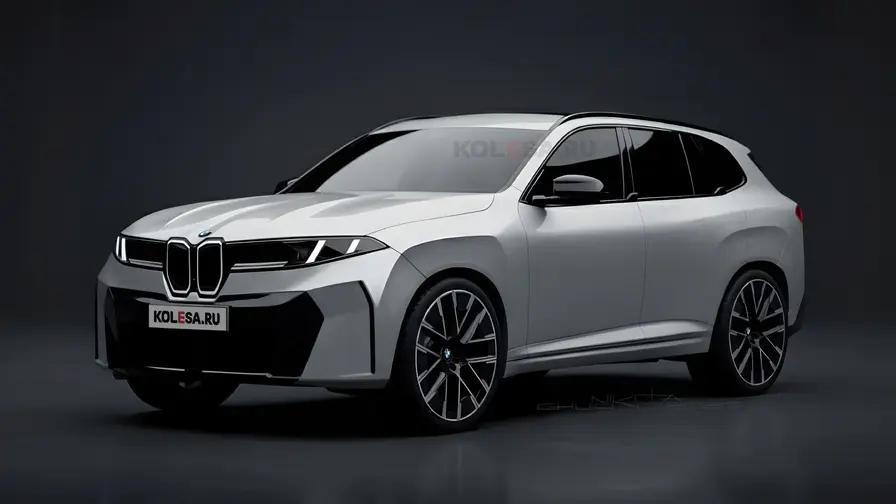
Technical output and range figures for the hydrogen X5 are not available yet. During recent test drives, BMW demonstrated conventional ICE and plug-in hybrid X5 test cars—the ICE 40 xDrive (around 400 hp) and the 50e xDrive plug-in hybrid (around 490 hp)—but the company withheld final performance specs for the hydrogen prototype.

Under the skin: Neue Klasse technologies
Irrespective of powertrain choice, the new X5 borrows several control and software innovations from BMW’s Neue Klasse program. Key elements include the Heart of Joy central computing unit and the BMW Dynamic Performance Control driving stack. BMW claims the integrated control hardware is up to ten times faster than previous systems, improving reaction times for powertrain, brakes, steering, charging and energy recuperation.
The car will ride on larger wheels—up to 23 inches—and each wheel will be managed by an adaptive suspension with continuously and individually controlled dampers. This should deliver a tuned balance of comfort and dynamic agility across the model range.
Driver assistance, autonomy and practical details
BMW is not pushing the X5 toward high levels of autonomy. The SUV will offer SAE Level 2 driver assistance systems—capable highway assist, lane keeping and adaptive cruise features—many of which were previewed on Neue Klasse prototypes. BMW’s focus appears to be on refining driver engagement and safety rather than chasing Level 3/4 autonomy in this generation.
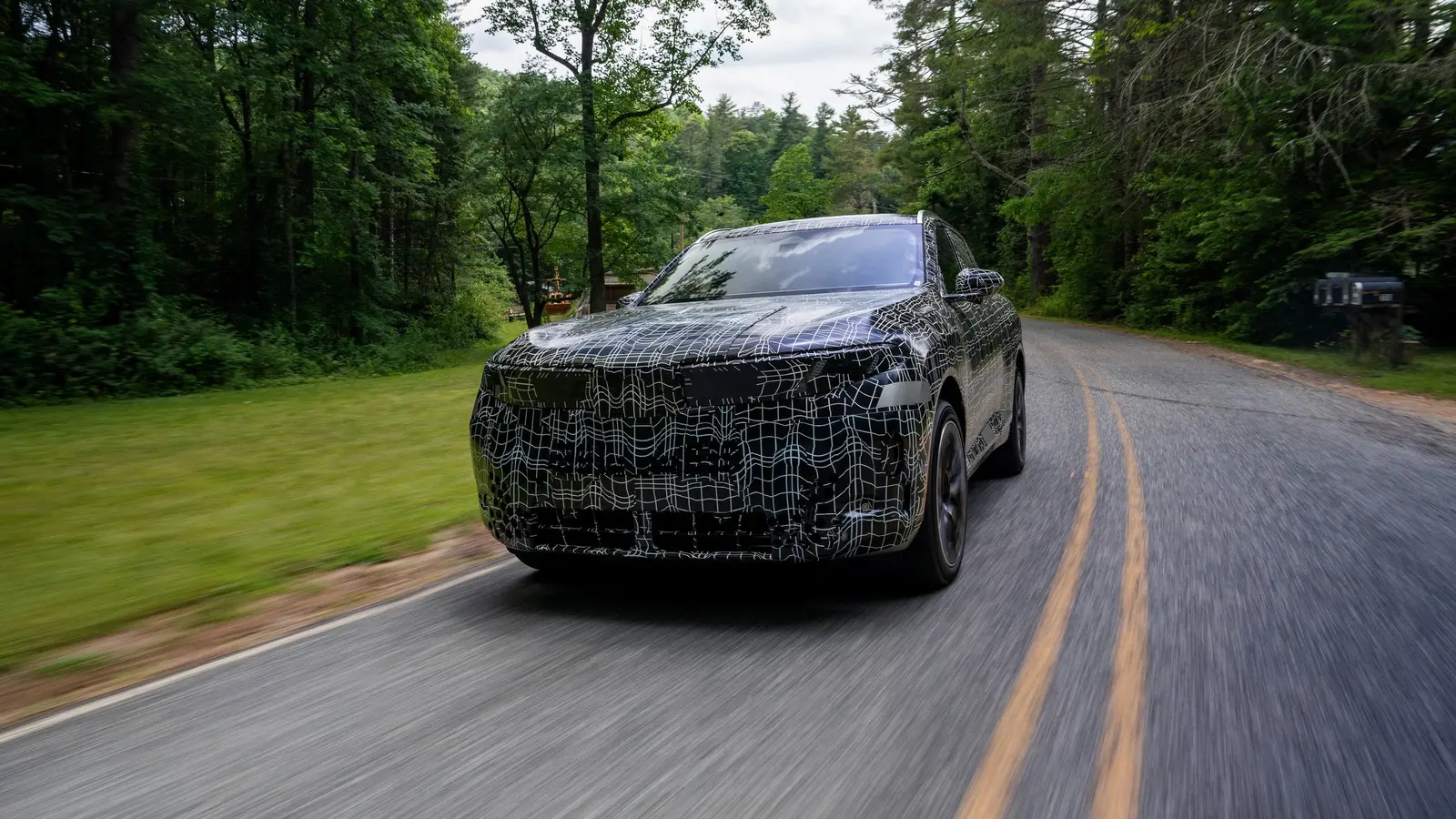
Prototype photos released by BMW show a heavily camouflaged mule. While the images hide styling details, they clearly convey the X5’s substantial footprint: big, imposing, and consistent with BMW’s move to larger, more tech-laden SUVs.
Market positioning and what this means for buyers
BMW’s strategy with the 2027 X5 is pragmatic: offer a powertrain for almost every buyer profile and regulatory requirement. Dealers will be able to sell an X5 to traditional customers wanting diesel or petrol with mild electrification, to performance seekers wanting the potent PHEV, to early EV adopters looking for a long-range battery SUV, and—even if hydrogen refueling infrastructure remains limited—to fleet and regional customers in markets experimenting with hydrogen.
Quote highlight:
"BMW has 'entered the finishing straight,'" the company said, signaling that the reveal is close and production intent is firm.
Bullets: Key takeaways
- Five drive systems make the X5 uniquely flexible in the luxury SUV segment.
- iX5 leads the launch with a huge 144/141 kWh battery and 578 hp dual-motor setup.
- iX5 Hydrogen introduces Flat Storage fuel tanks in a production BMW.
- Neue Klasse electronics promise faster system responses and improved energy management.
- SAE Level 2 driver assistance, up to 23-inch wheels, and adaptive dampers round out the package.
For BMW enthusiasts and buyers, the 2027 X5 will be an important model: a technology showcase and a flexible product that mirrors how fast powertrain options are evolving in premium SUVs. Expect the full reveal later this year, followed by model-by-model rollouts through 2028 as the hydrogen variant is finalized.

Leave a Comment
Comments (2)
So they really dropped a 144 kWh battery? Seems huge. Range claims or marketing? skeptical lol if true...
Whoa, five drivetrain options? BMW goin all in. Love the hydrogen idea but where are the refuel stations... sigh. Still hyped!