
3 Minutes
Whispers in Seoul and Silicon Alley say Samsung is quietly sizing up Boston Dynamics. Rumors are swift. The target? A minority stake that could rewrite the map of commercial robotics.
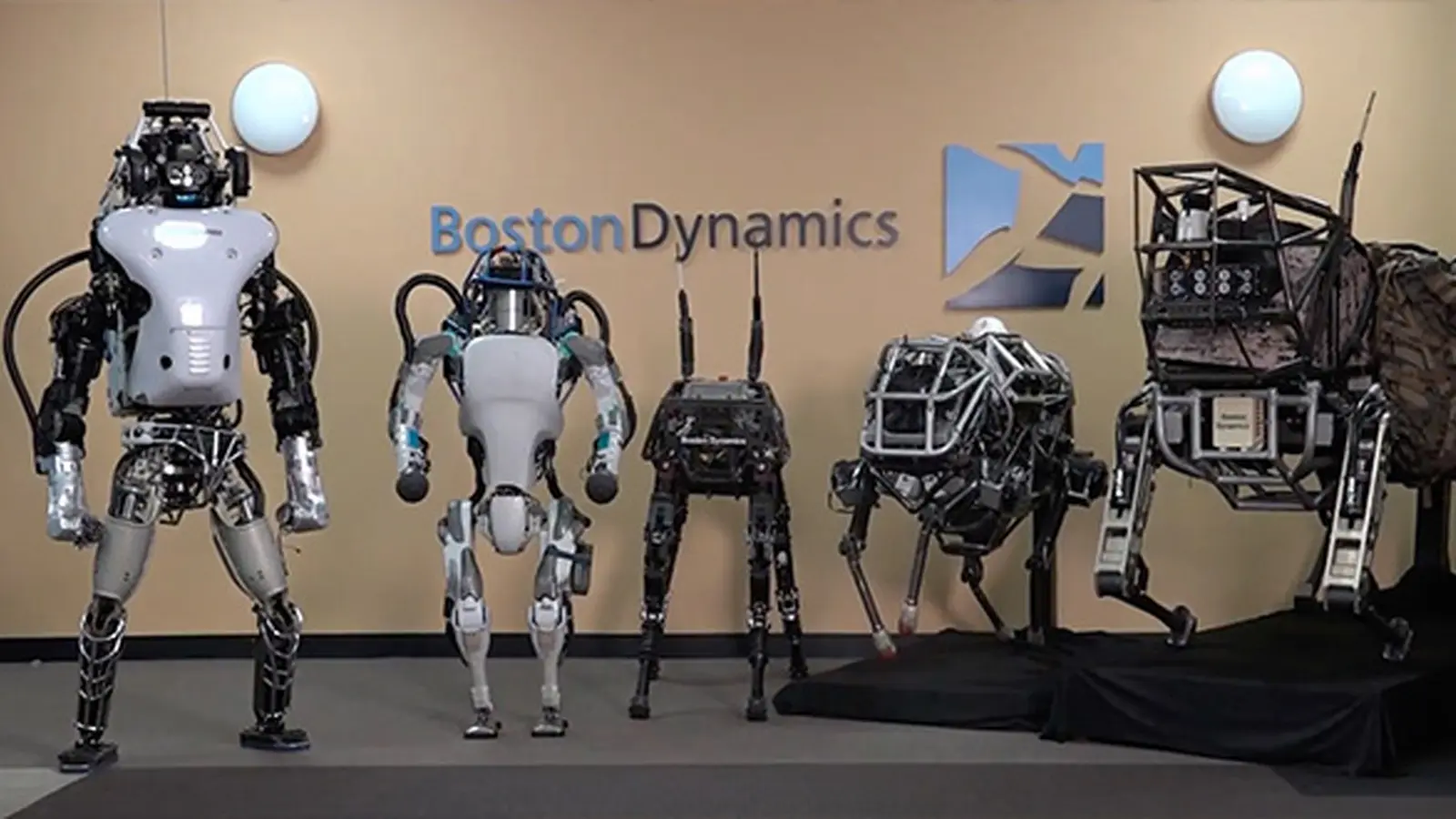
Samsung has publicly signaled that robotics belongs among its future growth pillars. Behind closed doors, executives are reportedly examining the feasibility of buying into Boston Dynamics, the Massachusetts-based firm best known for its highly mobile, human-like robots.
Ownership at Boston Dynamics is already complex. Hyundai and related HMG Global entities control the lion's share: Jeong Eui-sun personally holds about 23 percent, and the HMG Global consortium of Hyundai Motor, Kia, and Hyundai Mobis owns roughly 56 percent. SoftBank, the once-bold consolidator of AI and robotics bets, retains roughly 10 percent.
Industry chatter suggests Samsung has set its sights on that 10 percent SoftBank stake. Why would SoftBank sell? Analysts point to the conglomerate's heavy investments in AI datacenters and cloud infrastructure; liquidity needs could prompt asset sales even where management prefers to hold.

There is little official confirmation so far. SoftBank has not announced a sale. Samsung, likewise, has remained tight-lipped. But the logic of the play is apparent. Boston Dynamics offers a lead in dynamic mobility and humanoid form factors—capabilities that become far more valuable when paired with advanced AI, sensors, and large-scale chip ecosystems that a Samsung-led consortium could supply.
Imagine the synergies. Samsung is not just an electronics giant; it makes chips, sensors, displays, and components crucial to next-generation robotics. Access to Boston Dynamics' engineering and IP would accelerate Samsung's ambitions to weave hardware and AI into commercial service robots, logistics automation, and even consumer-facing machines.
For Boston Dynamics, a new Asian investor could bring deep pockets and supply-chain muscle—while altering the balance between American innovation and foreign capital in a sensitive sector.
There are hurdles. Hyundai's control is substantial, meaning any transaction would be limited unless larger shareholders agreed to reshuffle. Regulatory scrutiny is also likely, given national security concerns around advanced robotics and the concentration of AI infrastructure investments.
For the broader US robotics scene, a Samsung move would be a reminder that global hardware leaders are circling. Competition for talent, partnerships, and platform deployment will intensify. For customers and startups, that can mean faster product cycles, bigger budgets, and a steeper bar for differentiation.
Whether a deal happens or remains a boardroom hypothesis, the story underscores a simple fact: robotics is moving from lab curiosity to strategic infrastructure. Watch closely—this could be the start of a new chapter in how chips, cloud, and walking robots come together.


Leave a Comment
Comments
No comments yet. Be the first.