

3 Minutes
A pair of smart glasses for under $300. Sound impossible? Not anymore. Meta has just pushed its wearable strategy into cheaper territory with Meta Glasses, a new line of screenless smart eyewear made in partnership with EssilorLuxottica.
Think of this as a price-door opening. The $299 entry point is roughly $80 less than last year’s second‑generation Ray‑Ban Meta, a deliberate move to make wearable AI feel less like a luxury experiment and more like an everyday accessory. Three frame personalities arrive at launch: Adventurer, a classic square available in two sizes; Fury, a chunkier, bold option; and Starfire, a slim oval co-designed with Kylie Jenner that sits at a higher $399 price. Across those styles Meta offers 26 configurations—colors like black, green, and tortoiseshell, and lenses ranging from prescription to polarized and photochromic.
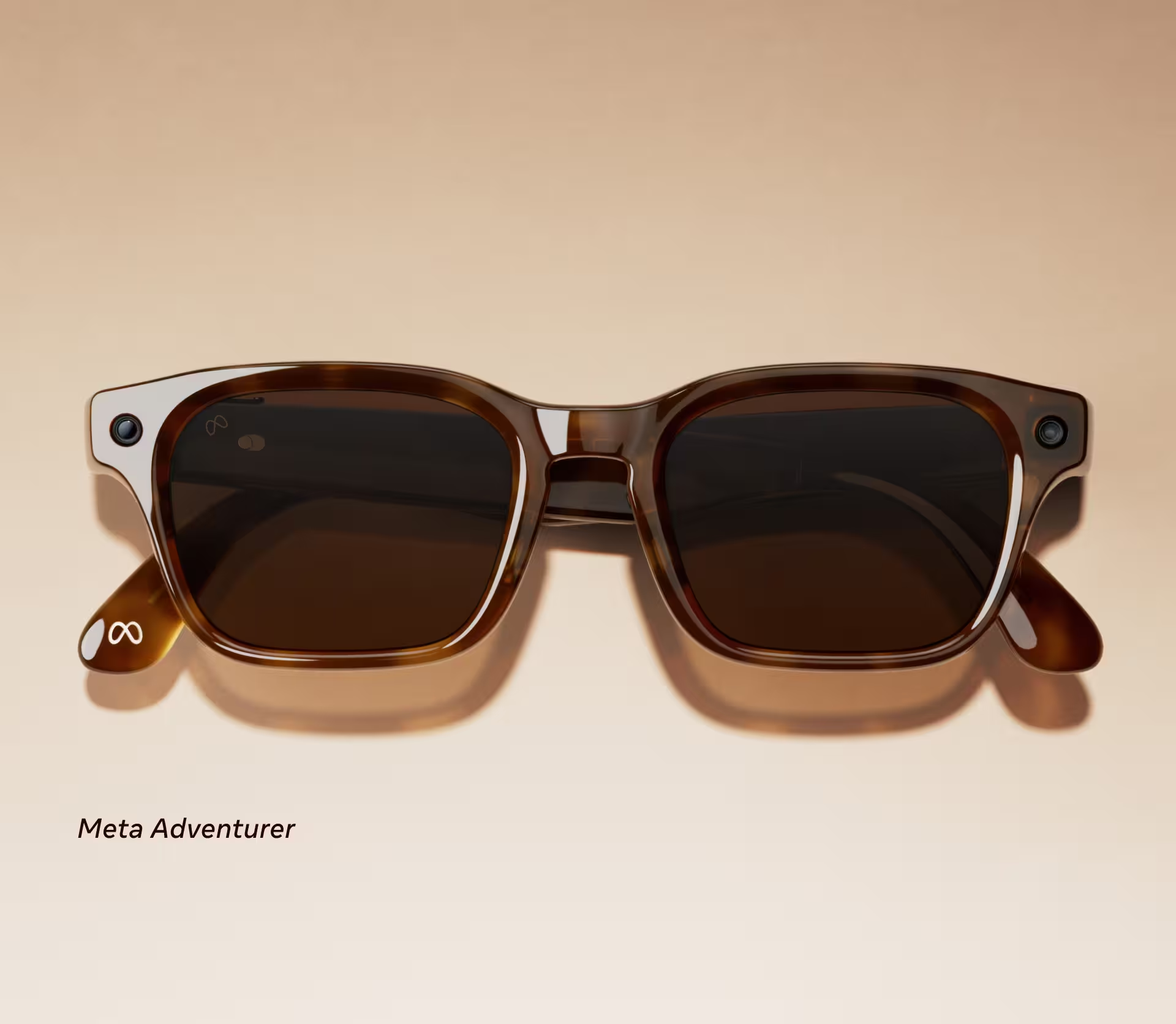
Under the surface, the glasses stick to the screenless formula. There are no embedded displays. Instead, Meta relies on outward-facing cameras, open‑ear speakers, and a multi‑mic array that handles calls, reduces wind noise, and listens for voice commands. Battery life is rated up to eight hours of continuous use, and the folding charging case tacks on about 40 extra hours—enough to get through a few busy days without hunting for an outlet. Small but useful design touches include three‑way adjustable nose pads to help get a more secure fit for different face shapes.

Softwares matter as much as hardware. These frames ship with Muse Spark, a new multimodal AI assistant from Meta. Trigger it with a physical action button and you can ask questions about what you’re seeing, capture hands‑free photos with a dynamic photo burst mode, or translate conversations in real time—Meta says it added 14 more languages to the list. The company also teased forthcoming features like audio-based pedestrian navigation that promises turn‑by‑turn guidance without staring at a phone screen.
Availability is immediate: Meta’s online store, Amazon, Best Buy, and eyewear retailers such as LensCrafters and Sunglass Hut will carry the lineup. That retail spread suggests the company wants these glasses sitting beside everyday sunglasses, not behind a boutique counter.
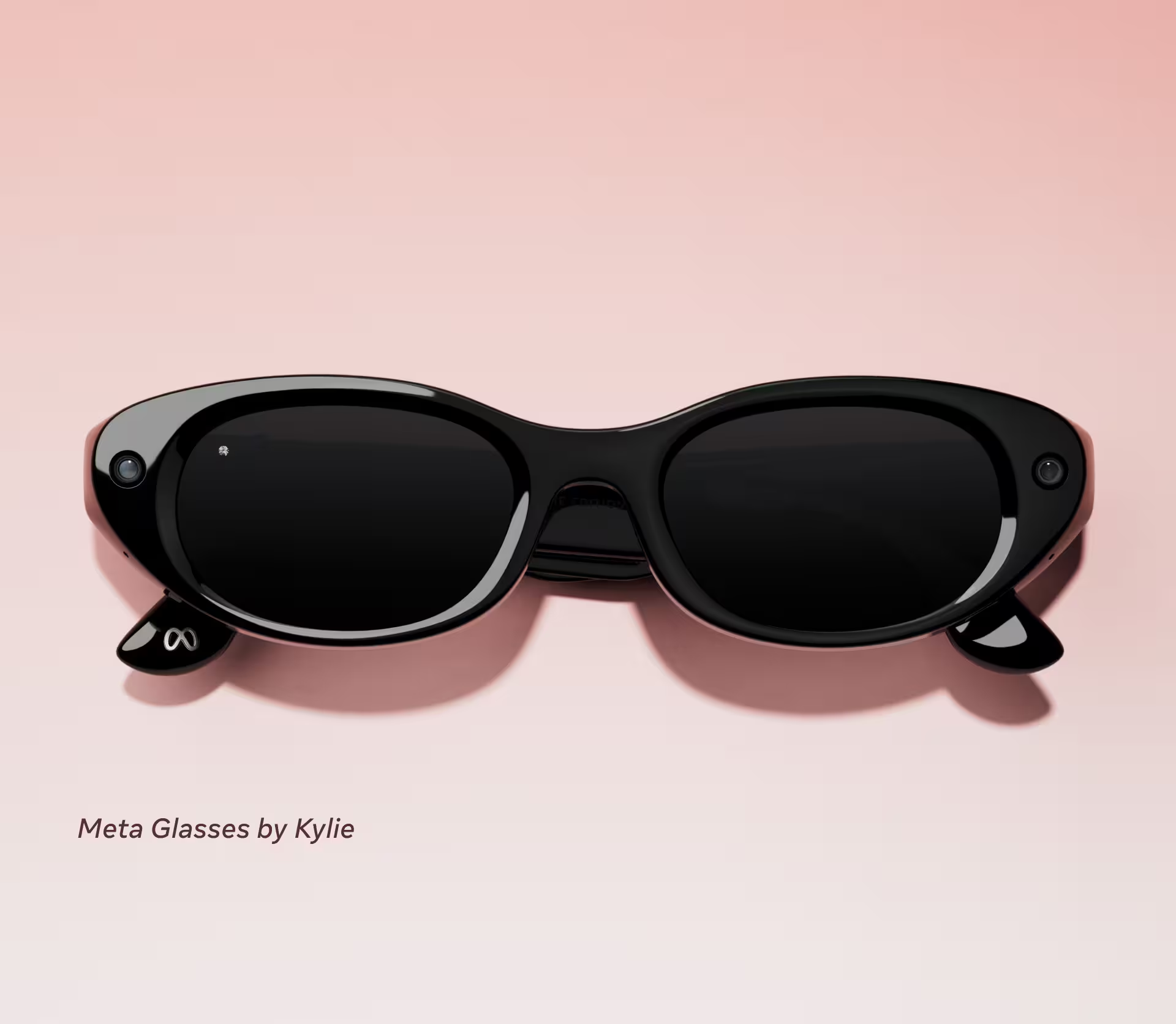
The move changes the competitive map. By trimming price and owning the brand, Meta is broadening the addressable market for wearable AI at a time when rivals are doubling down on different bets—XR headsets with full visual displays, ultra‑light AR modules, and more experimental form factors. Case in point: Xreal’s new XBX A01 AR glasses, which focus on high-refresh Micro OLED panels and modular frames, aim at a different user who wants a richer visual overlay rather than a lighter, phone‑adjacent experience.
So what should you take away? Meta Glasses don’t reinvent the wheel. They reframe it: cheaper, simpler, and more mainstream. If smart eyewear ever expects to move beyond early adopters, it will need choices like these—affordable frames, familiar retail channels, and practical AI features that feel useful rather than futuristic. Try them on and decide whether this is the pair you want to wear into tomorrow.









Leave a Comment
Comments
No comments yet. Be the first.