
4 Minutes
Taller Hoods, Bigger Risk
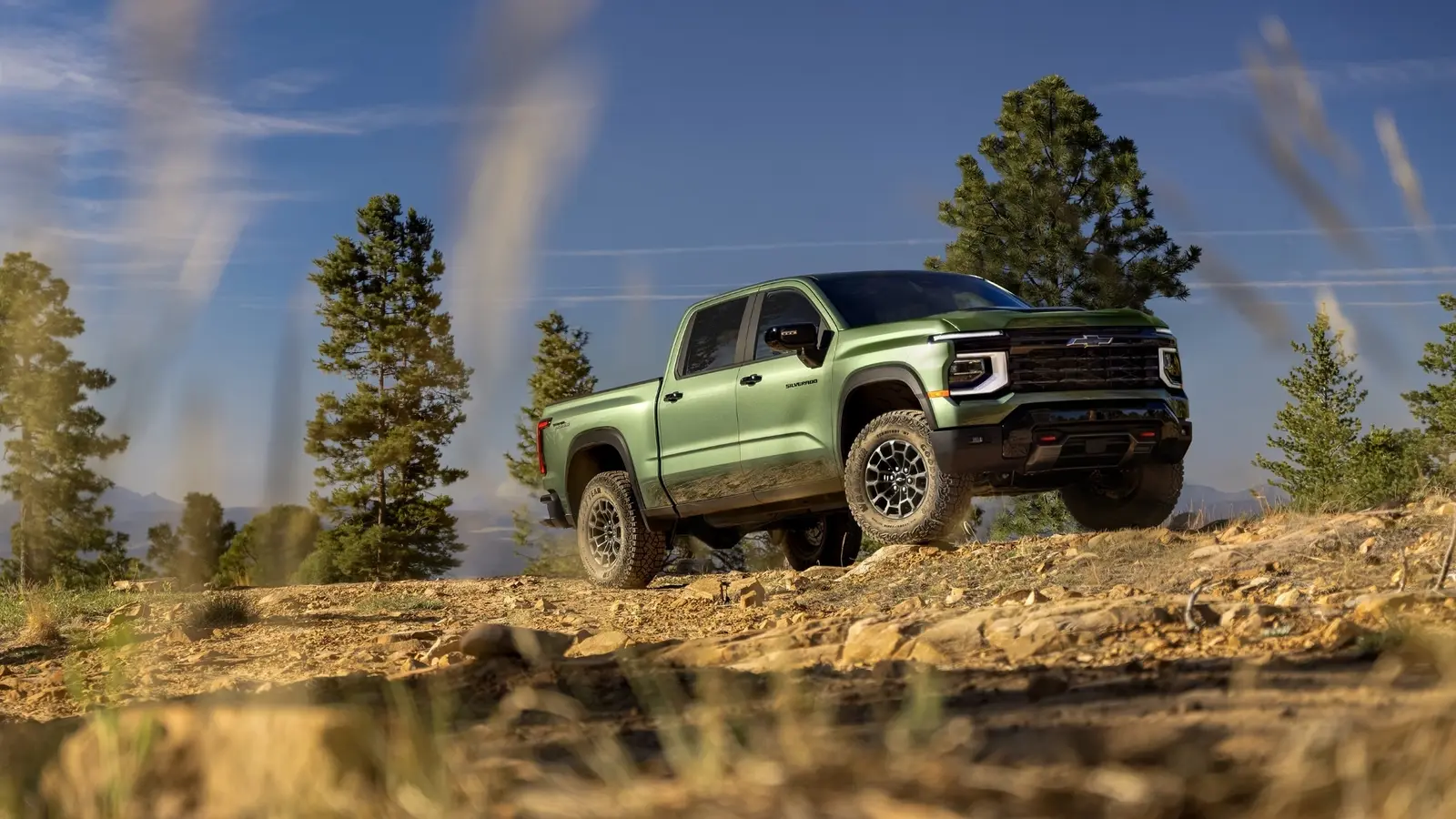
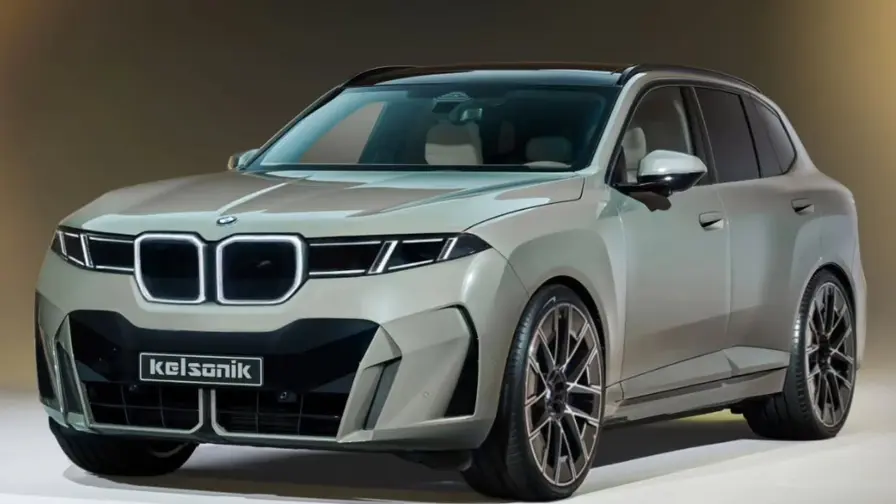
Walk any U.S. dealership lot and the pattern is obvious: oversized grilles, elevated waistlines and hoods that sit much higher than sedans from two decades ago. That design language—favored by pickup trucks and large SUVs—looks aggressive and gives drivers a loftier vantage point. But new analysis shows those same proportions have a deadly side for people outside the car.
A data-driven investigation, which used figures from federal agencies and industry databases, links rising hood heights and vehicle mass to a significant increase in pedestrian fatalities over the past two decades. The findings underscore how styling, market demand and regulatory gaps combine to create a public-safety problem on U.S. roads.

What the numbers say
Researchers combined crash data and vehicle-dimension records to quantify the effect of front-end geometry. Key takeaways:
- Roughly 3,000 pedestrian deaths between 2006 and 2024 could have been avoided if the average front-end geometry had stayed at early-2000s dimensions.
- A statistical relationship indicates each one-inch increase in hood height raises the odds of a pedestrian fatality by about 2.8 percent.
- Simulations suggest that trimming hood heights by three inches across the vehicle fleet would have saved more than 2,600 lives in an eight-year window; using a broader sample tied to 2002 vehicle dimensions, models indicate around 3,000 fewer deaths.
Those are not abstract numbers: they represent parents, commuters and children who were in the wrong place at the wrong moment.

Why taller hoods are more lethal
The geometry of a blunt, tall front end changes the dynamics of a pedestrian impact. Where lower hoods tend to contact a struck person at the legs, higher hoods often hit the torso or head. For adults, that can mean being knocked face-first onto the road; for children, a tall hood may strike the head or chest directly. The result is more severe trauma and a higher probability of death.
Vehicle mass compounds the problem. Kinetic energy transferred in a crash rises with weight, and some modern EV pickups and large luxury SUVs now top 8,000–9,000 pounds—well over 4 tons in gross weight. Examples frequently cited include the GMC Hummer EV Pickup and Cadillac Escalade IQ, machines that epitomize the heavy-vehicle trend.

Market dynamics and the feedback loop
Consumer choices and market dynamics feed the trend. As highways fill with heavier trucks and SUVs, many buyers choose larger vehicles for perceived crash protection. That defensive buying fuels automakers to produce still-larger models, creating a feedback loop. In sales terms, full-size trucks remain dominant: the Ford F-Series leads the U.S. charts, and General Motors moves large trucks across multiple brands.

This is not just a styling or preference issue—it's structural. Popular models offer towing capacity, bed space and an elevated driver position that many buyers view as safety advantages, even if those choices increase risk to vulnerable road users.
Regulatory gap: Europe vs. U.S.
Another important factor is testing and regulation. European crash testing includes pedestrian-impact standards and encourages designs that reduce head and chest injuries in collisions with people on foot. By contrast, U.S. federal testing from agencies like NHTSA has historically prioritized occupant protection within the safety cell, with fewer measures aimed at pedestrian outcomes. That regulatory emphasis helps explain why American-market front ends have trended toward blunt, high-sill designs.

Agencies such as IIHS and the U.S. DOT's Volpe Center have tracked rising pedestrian and bicyclist fatalities for decades: one analysis found pedestrian deaths increased by around 37 percent and bicyclist fatalities by roughly 42 percent between 1997 and 2022. Those trends align with the growth in SUV and truck market share and rising vehicle curb weights.
What could change?
Design choices and regulation both offer levers to reduce risk:
- Automakers can engineer softer, more forgiving front ends and lower hood profiles without sacrificing passenger protection.
- Regulators could adopt pedestrian-impact testing similar to Europe's, creating incentives for designs that protect pedestrians and cyclists.
- Consumers can consider pedestrian safety and vehicle mass when choosing a car—opting for models that strike a balance between personal protection and public safety.
A small change in geometry can have outsized effects: the analysis suggests a single inch of lower hood height can meaningfully reduce fatality odds. That makes design tweaks a practical, high-impact mitigation.
A final note
For car enthusiasts and everyday drivers alike, the evolving silhouette of the modern vehicle brings both benefits and costs. The era of towering hoods and ever-heavier SUVs has reshaped not only aesthetics and capability but also street-level safety. Meaningful progress will require action from designers, regulators and consumers—because advances in vehicle performance should not come at the expense of the people who share our roads.
'Design matters: just an inch can save lives'—a sobering reminder as automakers chart the next generation of trucks and SUVs.



Leave a Comment
Comments (2)
Is this even true? Feels like they mix weight, driver behavior, city design… if hood height is the big villain then why no clear regs earlier?
Wow this is chilling... an inch really? People keep buying monsters like this, srsly alarming we need rules.