
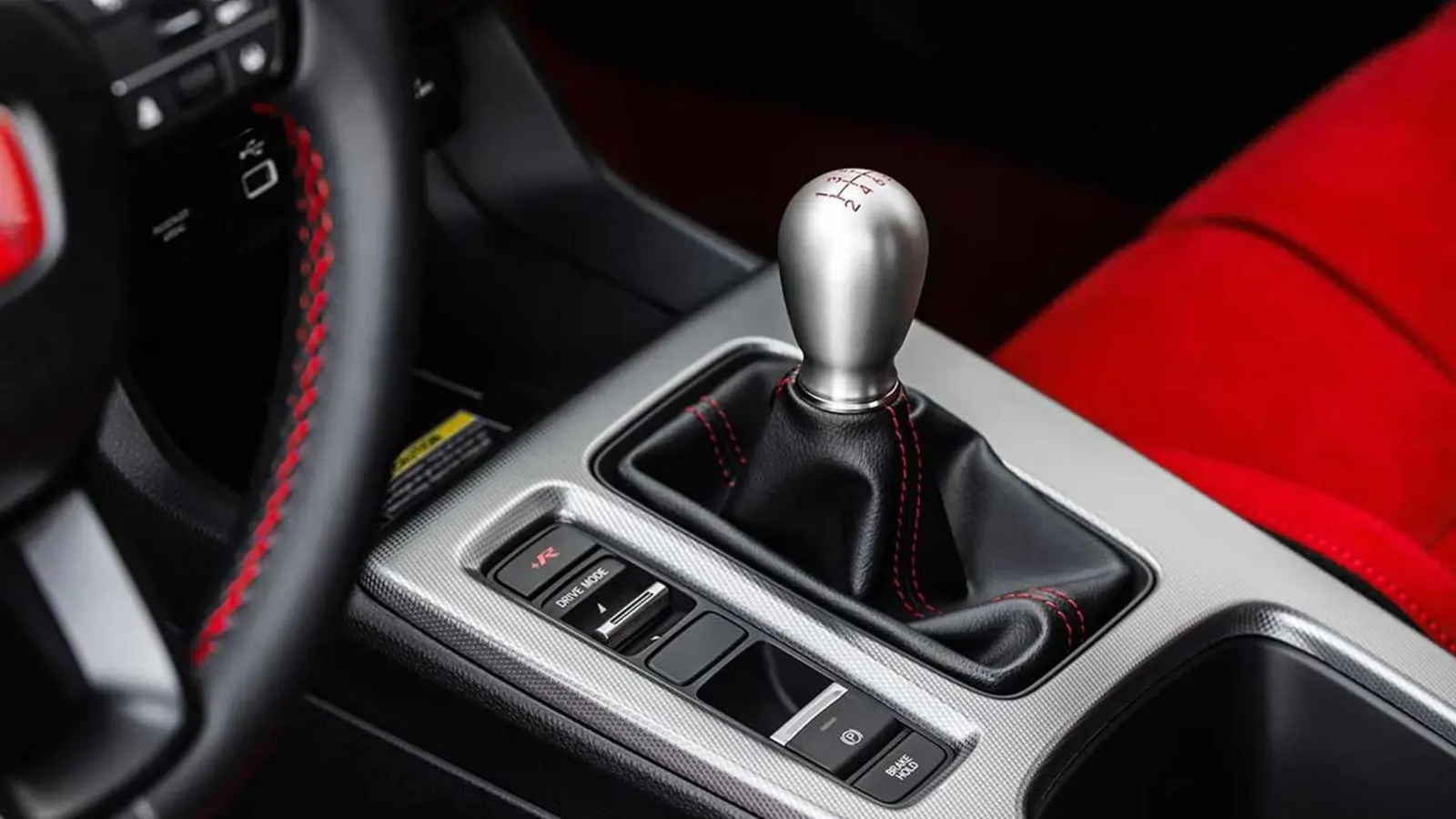
Manual shifting isn't just driving sport — it may train your brain
New research from Japanese neuroscientists suggests that driving a car with a manual gearbox activates the prefrontal cortex in ways that could help preserve memory and cognitive function as we age. The study led by professor Ryota Kawashima at Tohoku University argues that the mental demands of coordinating clutch, gear selection, engine speed and traffic awareness act like a light daily workout for the brain.
Why shifting gears is more than mechanical work
Unlike automatic transmissions, which largely remove the need for split-second gear decisions, a stick-shift requires constant attention and sensorimotor coordination. According to the research, this simultaneous monitoring of speed, RPM, clutch engagement and road conditions stimulates brain regions responsible for memory, attention and decision-making.
This stimulation is described as an ongoing cognitive exercise that could help slow age-related cognitive decline. In short: every gear change is a small mental workout.
- Activates the prefrontal cortex
- Trains attention and decision-making skills
- Involves sensorimotor coordination and timing
What this means for drivers and car enthusiasts
For fans of manual transmission cars, the findings offer scientific backing to the long-standing claim that driving stick shift is both engaging and rewarding. Beyond the emotional appeal — the control, the connection to the car, the tactile pleasure of a confident downshift — there may be tangible long-term benefits for cognitive health.

Yet the manual gearbox is vanishing from showrooms. Recent market data shows a sharp decline: only 1 to 2 percent of new cars in Japan still have a clutch pedal, while the United States figure has fallen to roughly 0.7 percent. Europe remains more manual-friendly in pockets, with countries like Spain and Italy reporting manual use rates of about 41 and 48 percent respectively. In the US market today, around 24 new model variants are still offered with a manual gearbox.
Market context and preservation tips
The move away from manuals is driven by rising automatic efficiency, the spread of dual-clutch systems, and the growth of electrification where traditional gearboxes are less relevant. For those who want to keep the stick-shift tradition alive, consider:
- Prioritizing manual-equipped models when shopping for a new or used car
- Joining enthusiast clubs to find and maintain manual cars
- Viewing stick-shift vehicles as both a driving experience and a potential cognitive health tool

Quote: 'Treat manual driving as a low-impact cognitive exercise — and as a way to stay mentally engaged on the road.'
Whether you're a petrolhead who values performance and control, or simply someone interested in aging well, this research gives owners another reason to cherish manual transmissions. If you already drive a stick-shift, regular use could be a simple, enjoyable habit that helps keep your mind sharp for years to come.

Leave a Comment
Comments
No comments yet. Be the first.