
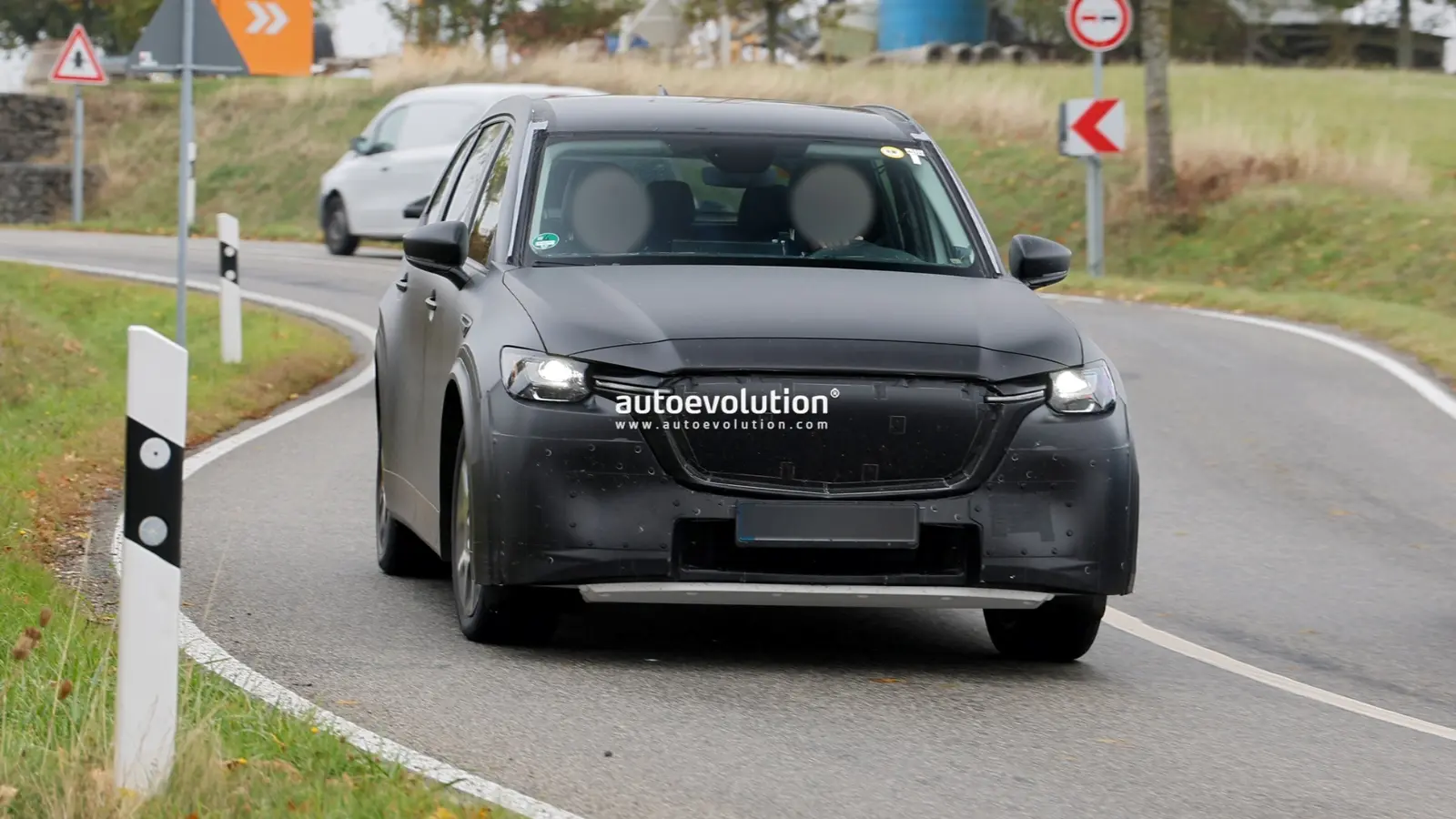
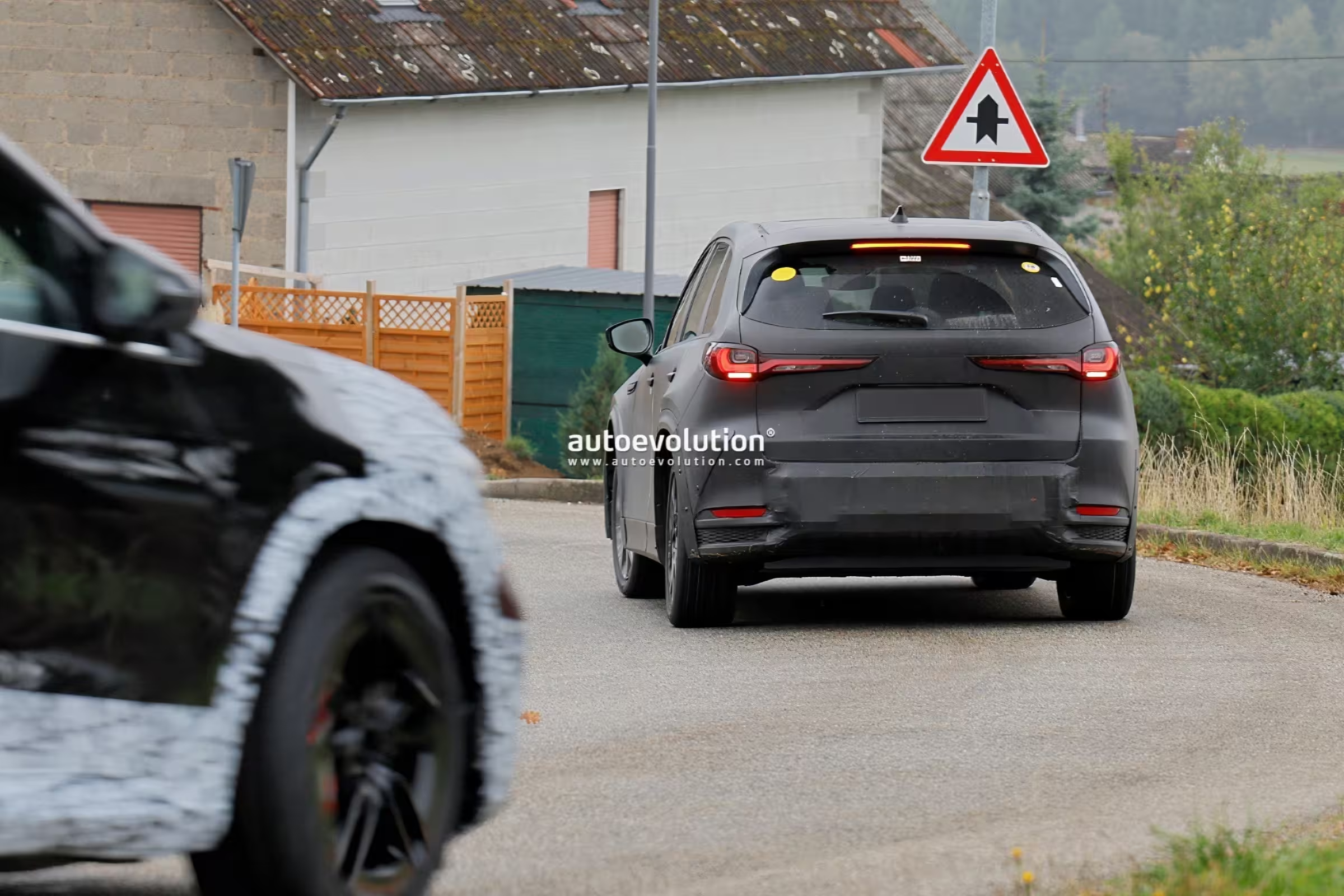
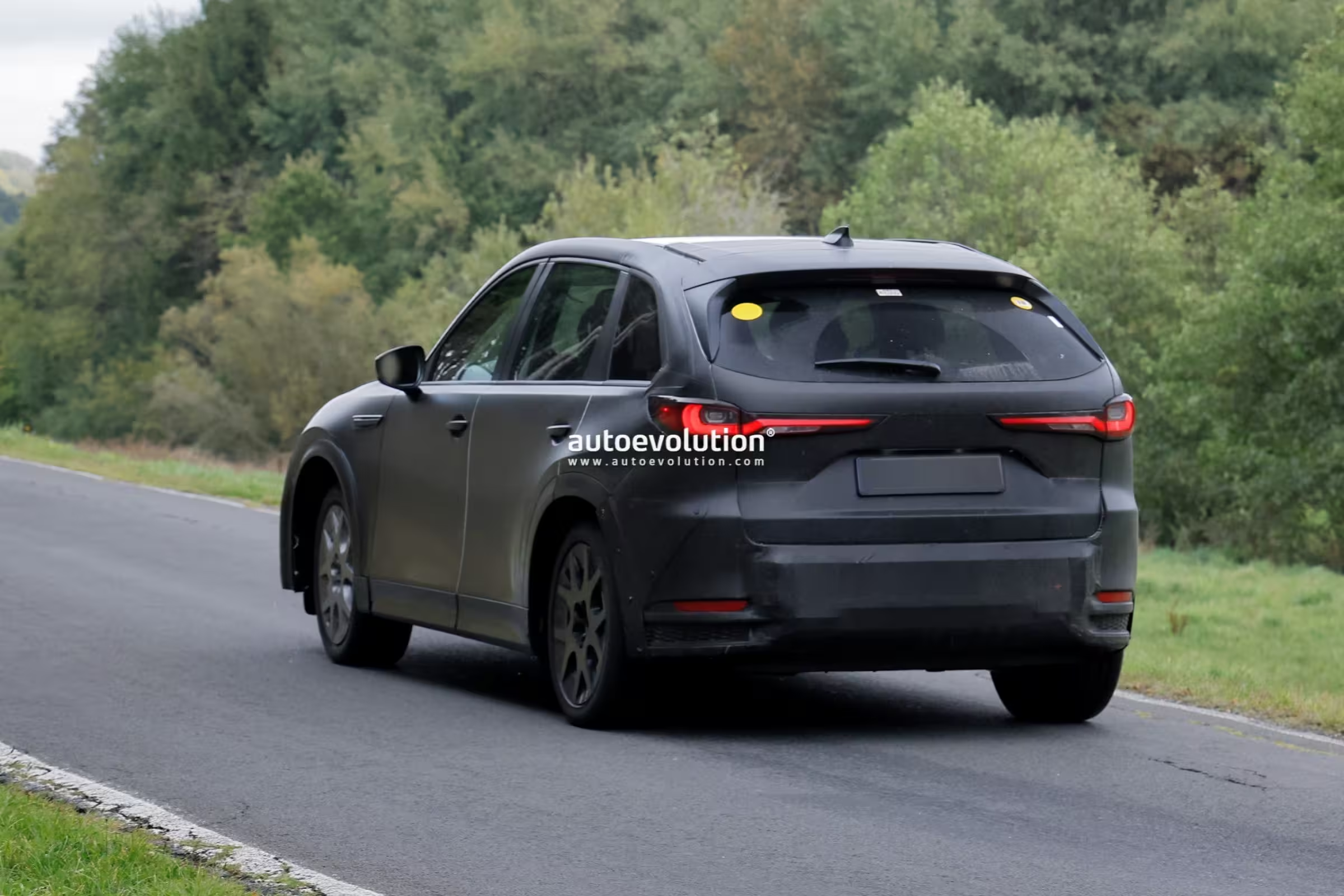
Mazda-bodied test mule wearing CX-90 sheet metal was photographed entering Jaguar Land Rover's Nürburgring test facility, but visual evidence and location raise doubt about whether the vehicle under that skin is a Mazda product. Spy images show altered proportions and EV-specific packaging that suggest the mule is testing electric underpinnings rather than a production CX-90 powertrain.
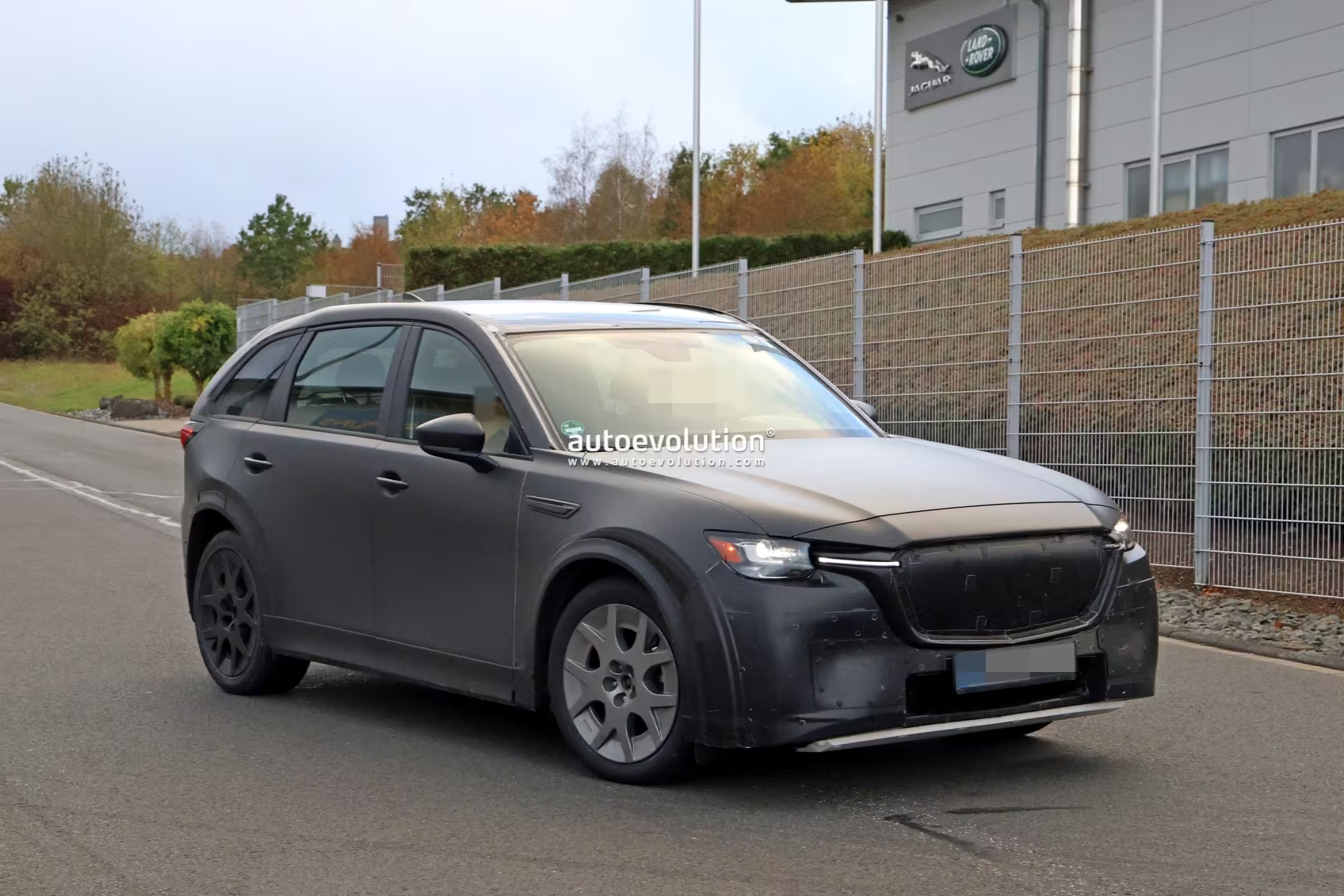
What the mule's proportions and bodywork reveal
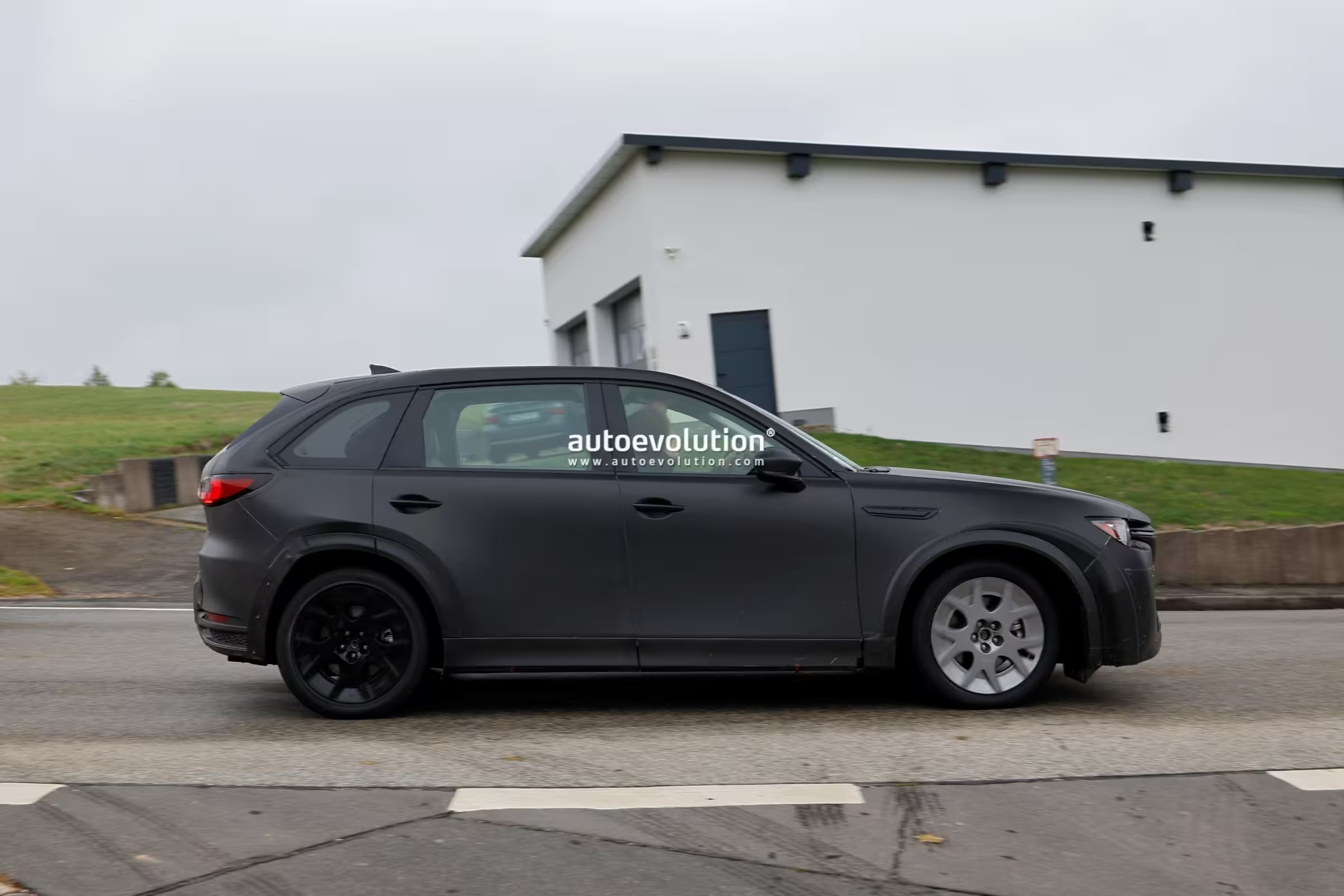
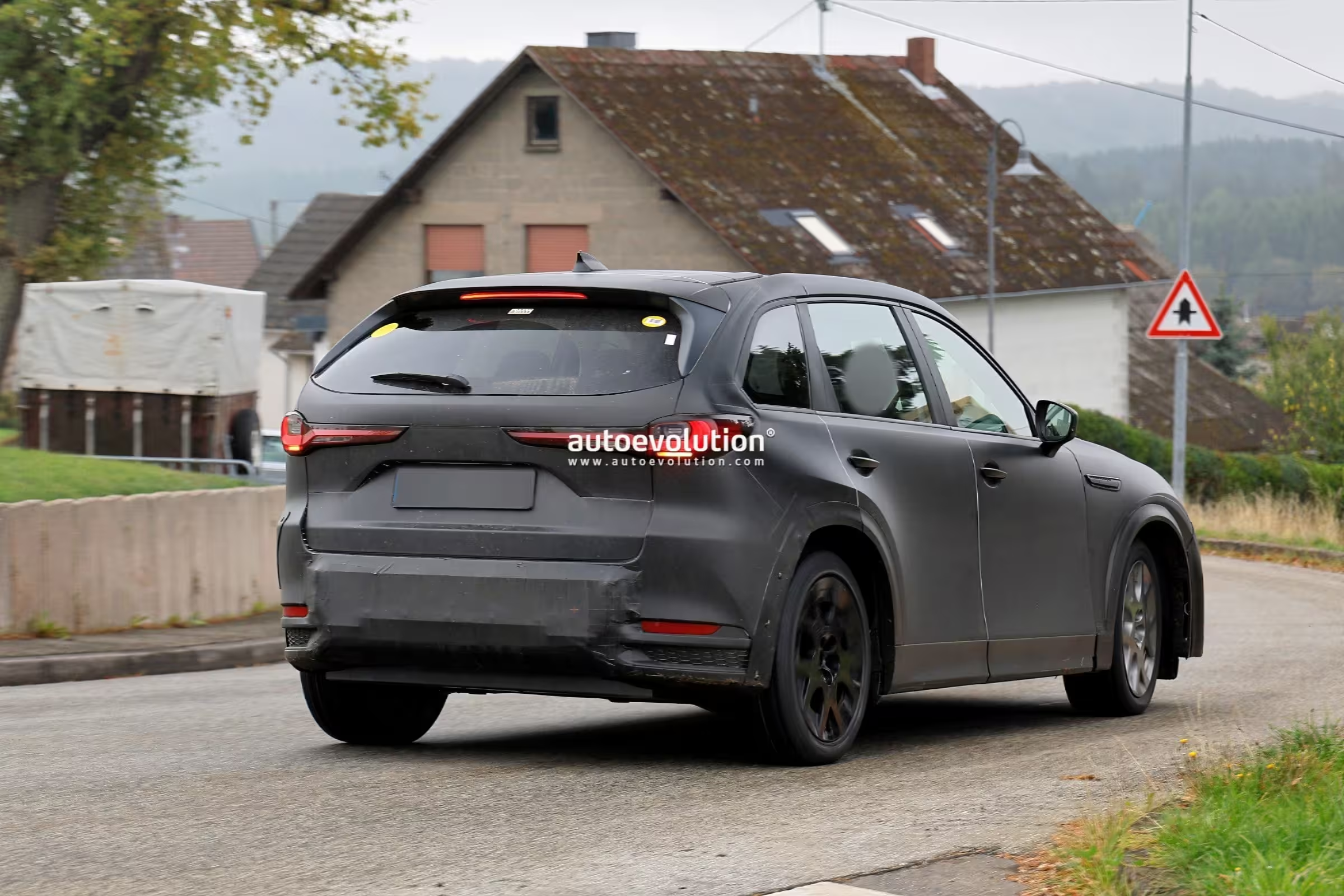
The vehicle retains much of the CX-90 outer skin but shows clear dimensional changes. The front wheels sit noticeably rearward of the original wheel wells, the wheelbase appears shorter, rear overhang has been trimmed and track widths look narrower. A prominent front overhang and crude panel joins indicate the outer body is a temporary shell.
- Shorter wheelbase
- Reduced rear overhang
- Narrower track widths and wheels set behind original wells
Photographers also captured a glimpse of battery housing beneath the nose and a small cooling intake below the grille area. That cooling arrangement aligns with electric powertrain requirements rather than the four- and six-cylinder internal combustion engines offered in the production CX-90 and CX-70. Mismatched wheels and visibly improvised body panels further support the conclusion that the shell is hiding test hardware, not final production design.
Why the JLR facility complicates identification
The mule was driven into a Jaguar Land Rover testing location near the Nürburgring, which raises the possibility the vehicle actually belongs to JLR. Using an unrelated production shell is a common practice to conceal a new model's appearance while allowing real-world testing to begin. Such camouflage is intended to obscure styling while engineers focus on platform, suspension, battery packaging and cooling systems.
Jaguar Land Rover has its own lineup refreshes in development, including a smaller Defender and a replacement for the Velar. JLR has described the Range Rover GT as a fifth member of the Range Rover family; that model uses the EMA platform rather than the MLA architecture of the Range Rover Sport Electric and is not presented as the Velar's successor. Borrowing an unrelated outer body, even one that looks incongruous, can let testing proceed without revealing an upcoming production shape.
These photos do not conclusively identify whether the mule belongs to Mazda or Jaguar Land Rover.
Mazda's dedicated EV program and timeline
Mazda's EV experience to date is limited. The automaker produced a limited-run Demio EV and the MX-30 EV, and later offered the 6e fastback sedan and CX-6e crossover developed with engineering and manufacturing input from Changan. Mazda has announced a dedicated electric architecture called Skyactiv EV Scalable Architecture; the company originally targeted 2025 for the platform, later pushed that to 2027, and that program may have been delayed again.
Mazda now anticipates its first in-house electric vehicle after the MX-30 in late 2028 or early 2029. The announced platform is said to support multiple battery chemistries and body styles, and Mazda plans integrated vehicle control systems intended to help reproduce the driving character the brand associates with its Jinba Ittai philosophy. Observers note the crude condition of the mule suggests the final production design would be substantially different from the test shell seen in the spy photos.


Leave a Comment
Comments
No comments yet. Be the first.