
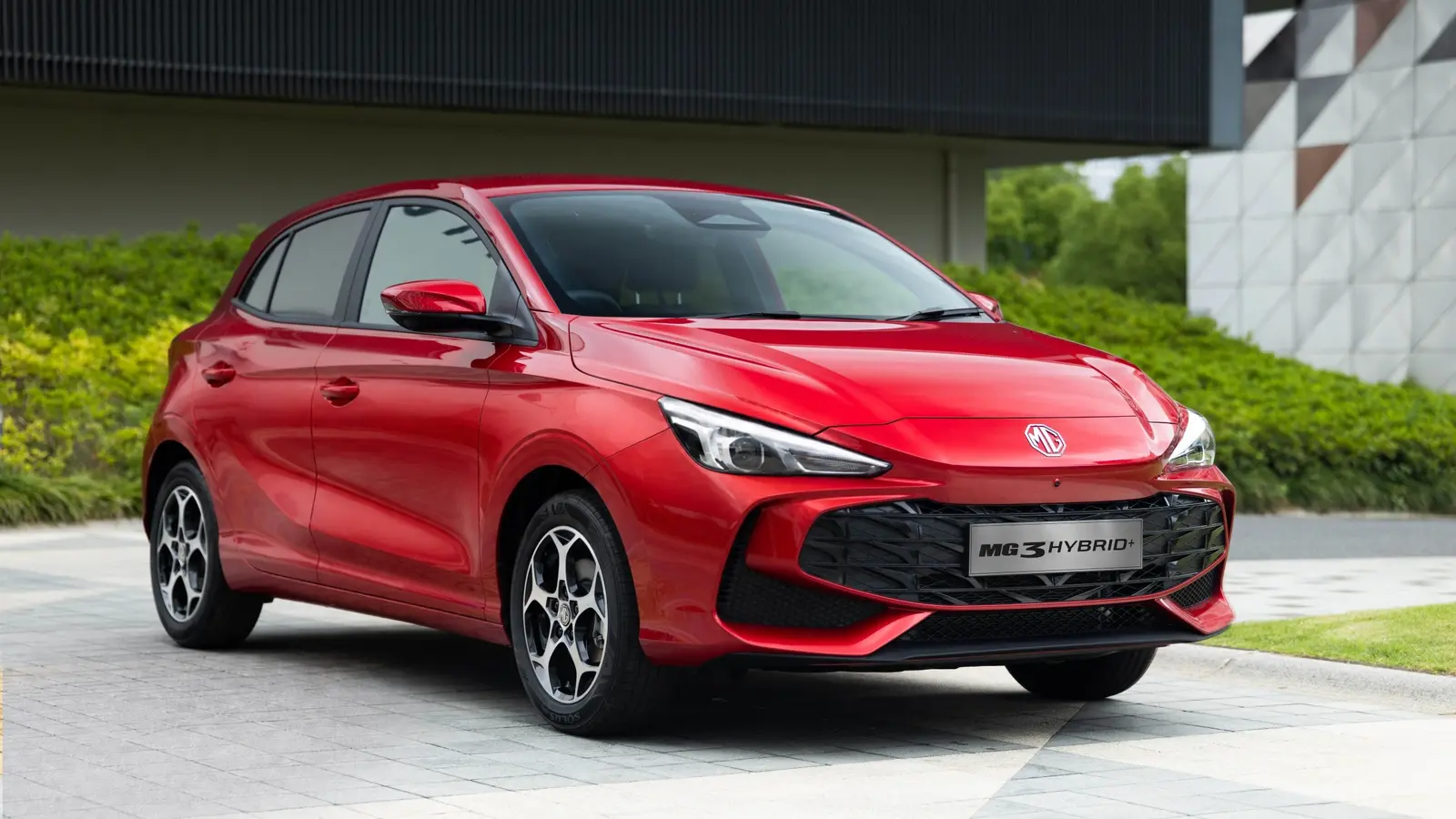
The European Union has agreed to cap annual imports of Chinese hybrid vehicles at 350,000 units for the initial 12 months, a safeguard Bloomberg reports could take effect on December 1, 2026.
EU trade chief Maros Sefcovic and Chinese commerce minister Wang Wentao concluded the volume framework during talks in Beijing, Bloomberg said. The ceiling is set to rise by 6 percent each year across a four-year enforcement window.
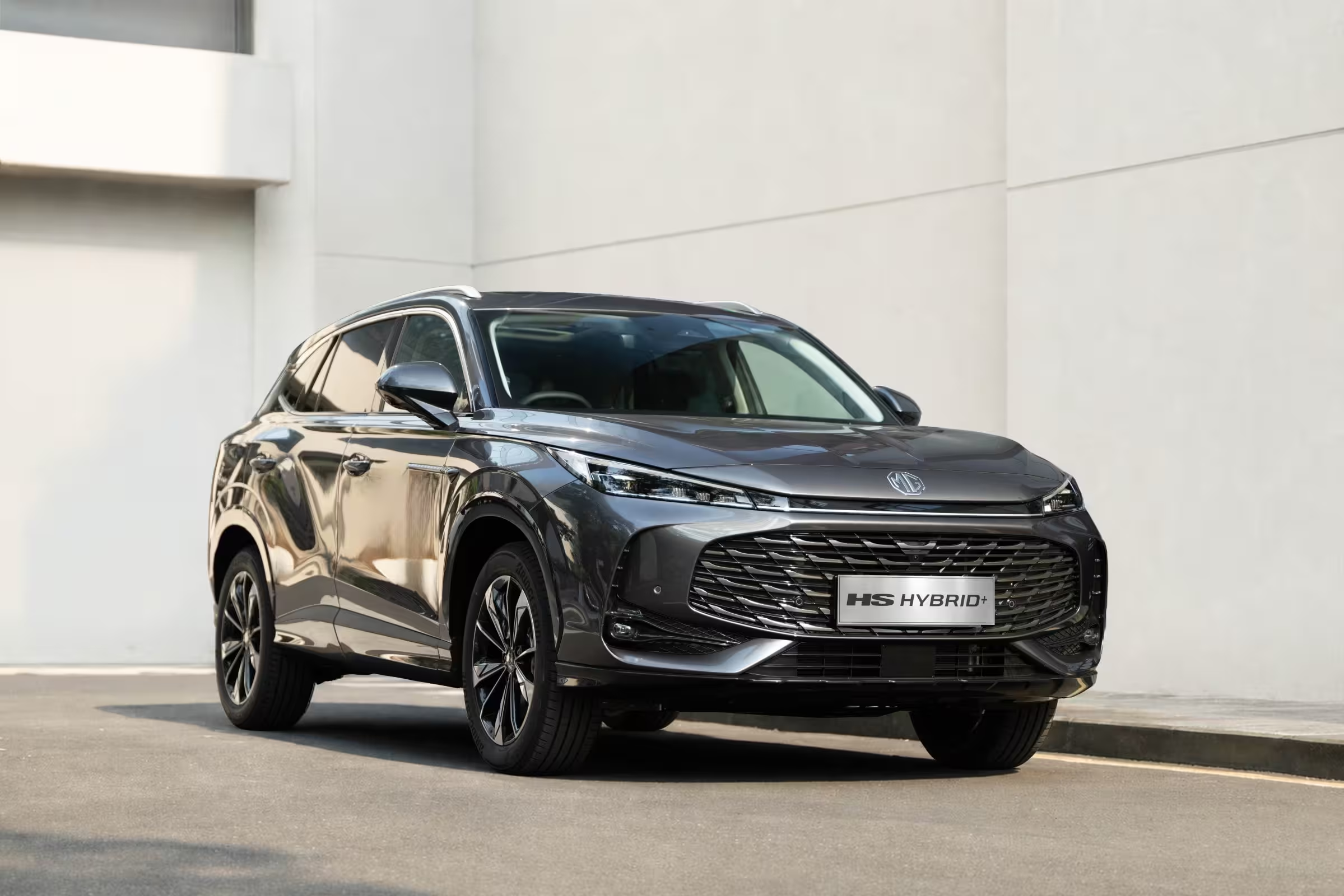
The measure covers both self-charging hybrids and plug-in hybrid vehicles. The text exempts members of the European Economic Area, developing WTO members, Ukraine and Kenya, which the EU said have negligible import shares.
The agreement does not specify whether shipments that breach the cap will face outright border bans or steep punitive tariffs, and the enforcement mechanism remains unclear in the current document.
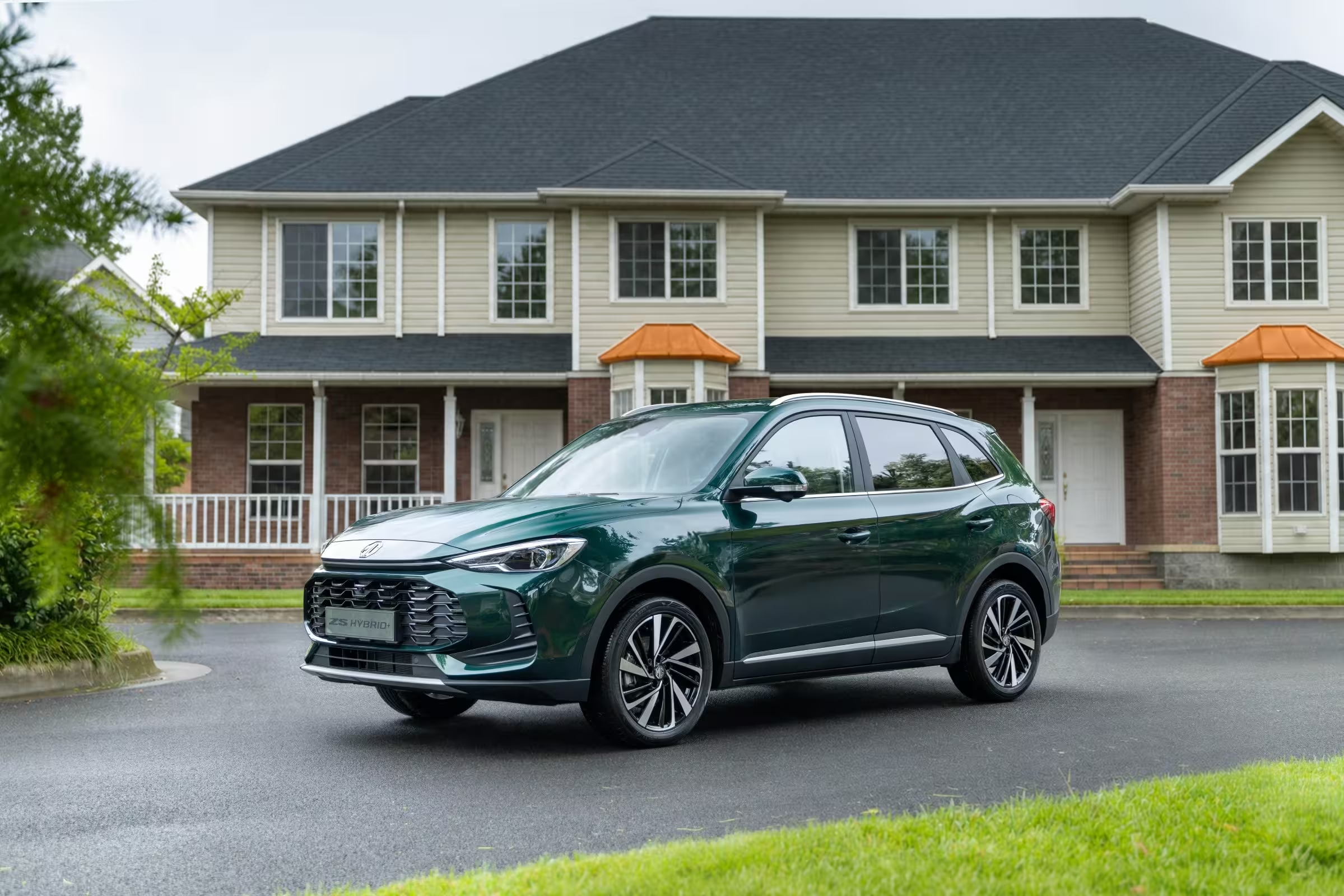
China agreed to reciprocal concessions, including the removal of tariffs on selected automotive parts and halving duties on olive oil, ice cream and shoes. That temporary package is worth about €4 billion, Bloomberg reported.
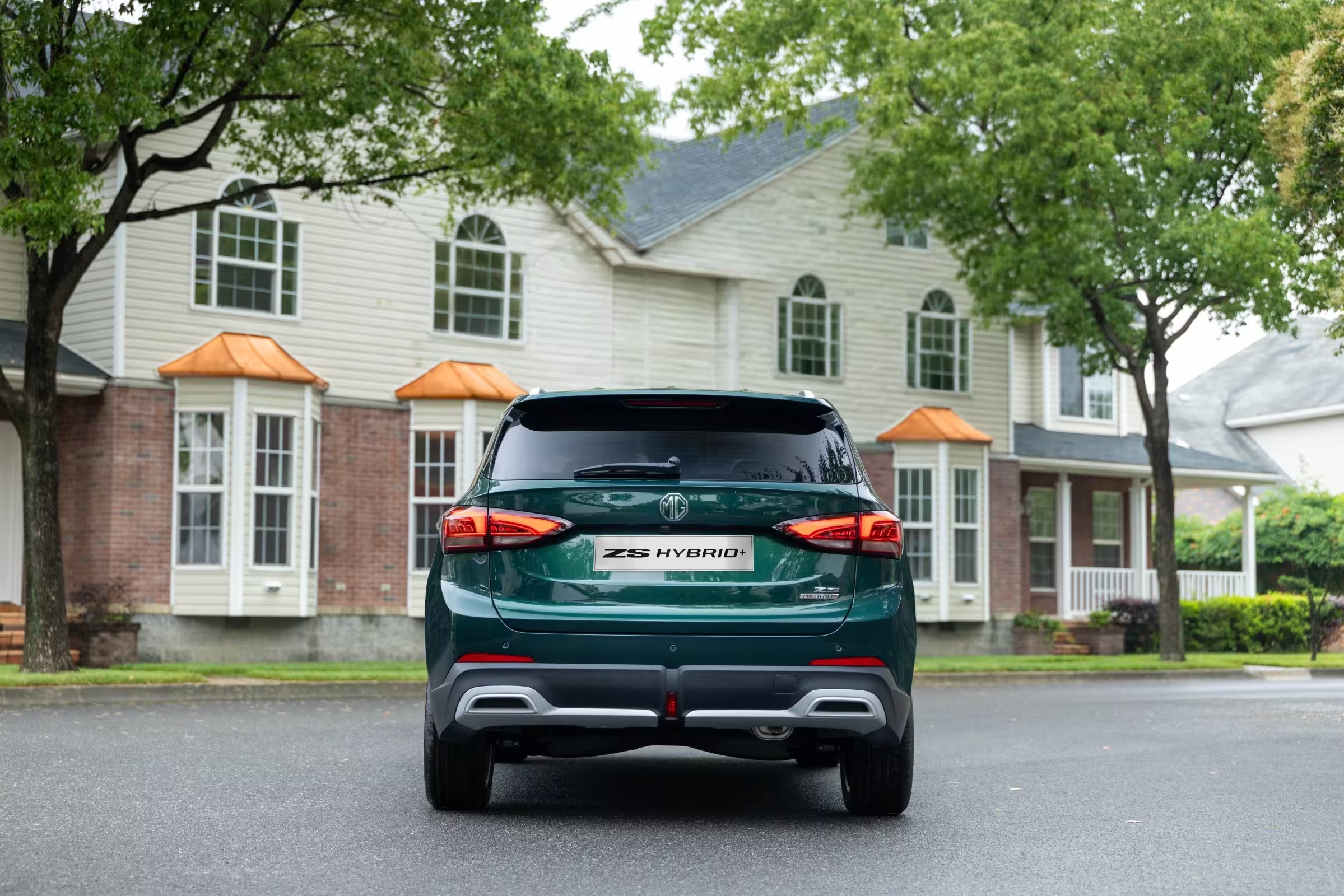
The EU imposed tariffs on Chinese battery-electric vehicles in 2024; those measures did not stop Chinese manufacturers from shifting to hybrid exports, Bloomberg reported. According to Dataforce, cited by Bloomberg, Chinese brands accounted for roughly a quarter of Europe’s hybrid market by August 2026, and total vehicle imports into Europe rose nearly 75 percent through August 2026.
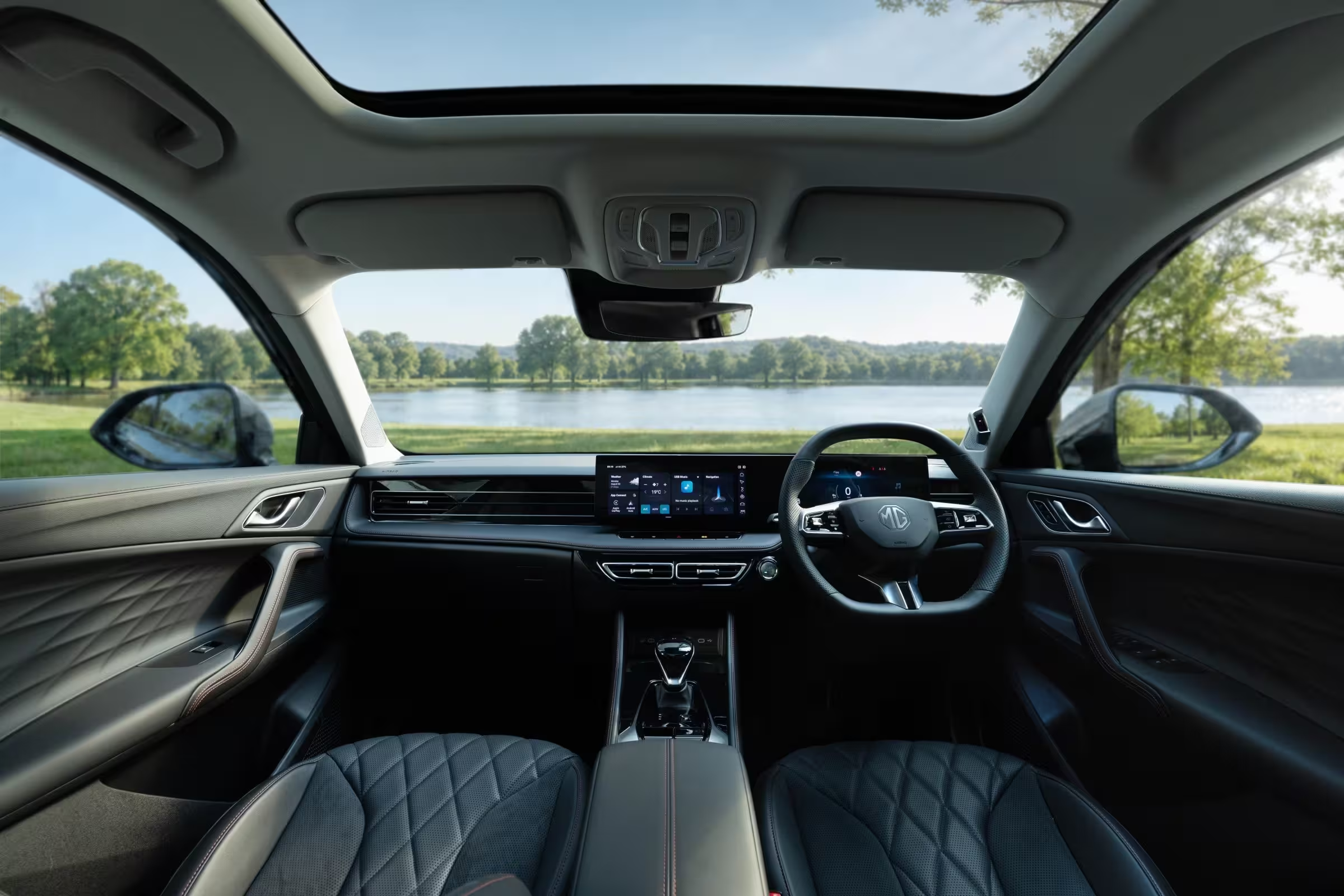
Bloomberg also reported that Mercedes saw an 8 percent drop in market share in the third quarter of 2026, while Volkswagen Group cut its profit forecast weeks after a similar warning from BMW. Berlin and Paris pressed Brussels for tougher measures and broader trade responses, including subsidy probes into foreign chemicals and plastics, Bloomberg said.
Sefcovic is scheduled to return to Beijing early next year to review early results and monitor implementation of the safeguard.


Leave a Comment
Comments
No comments yet. Be the first.