
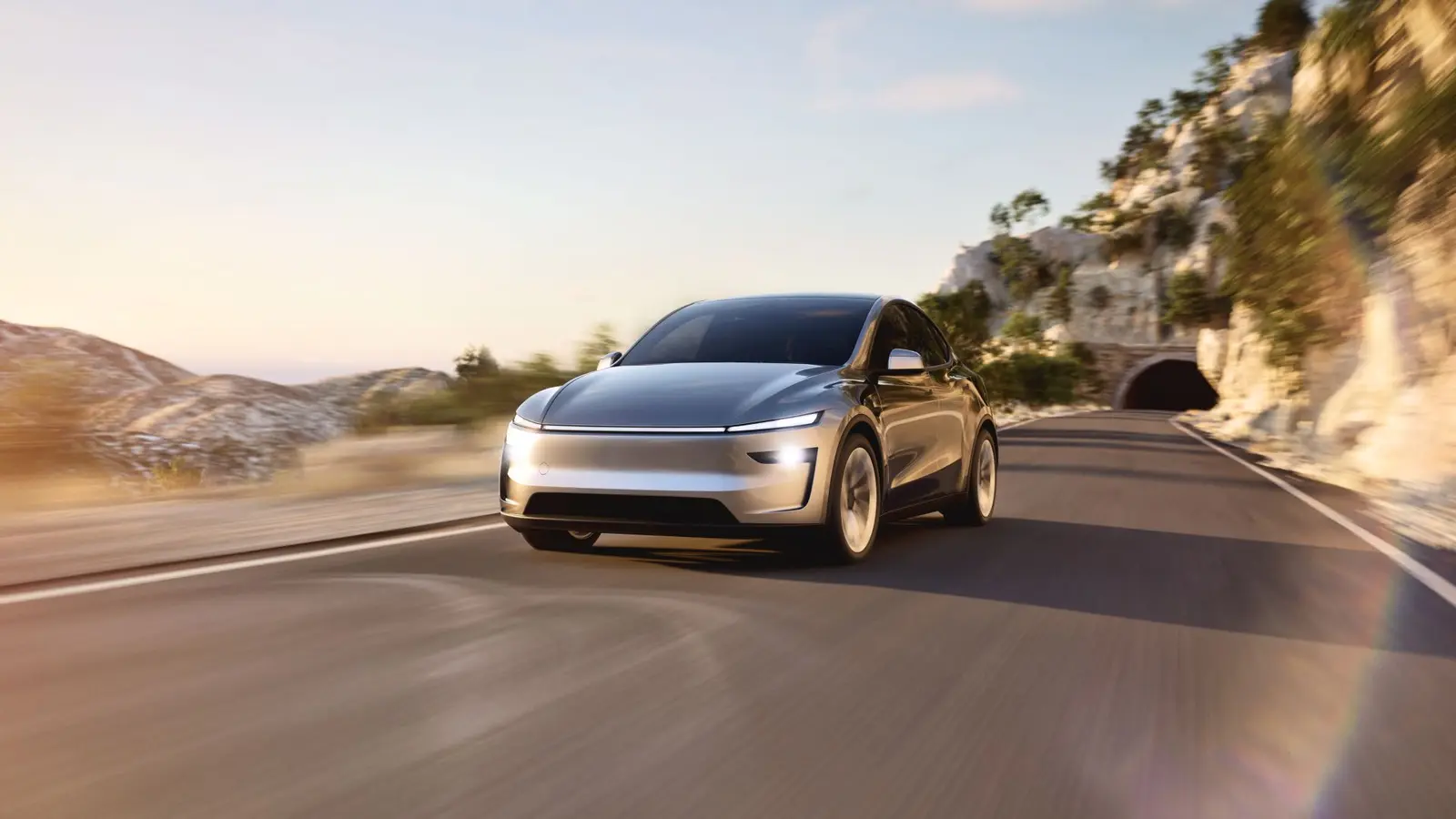
Electric vehicles accounted for 23.2 percent of new-car registrations in Europe in September 2026, while the United States lagged at about 6 percent, according to Motor Intelligence. The gap is stark and measurable in the latest market data.
Part of the United States shortfall traces back to a policy inflection point: on September 30, 2025 the federal tax credits tied to many EV purchases ended, removing a $7,500 incentive for new cars and a $4,000 incentive for used models. The rush to claim credits before the deadline briefly pushed US EV share to 8.5 percent in that month, but the boost proved temporary.
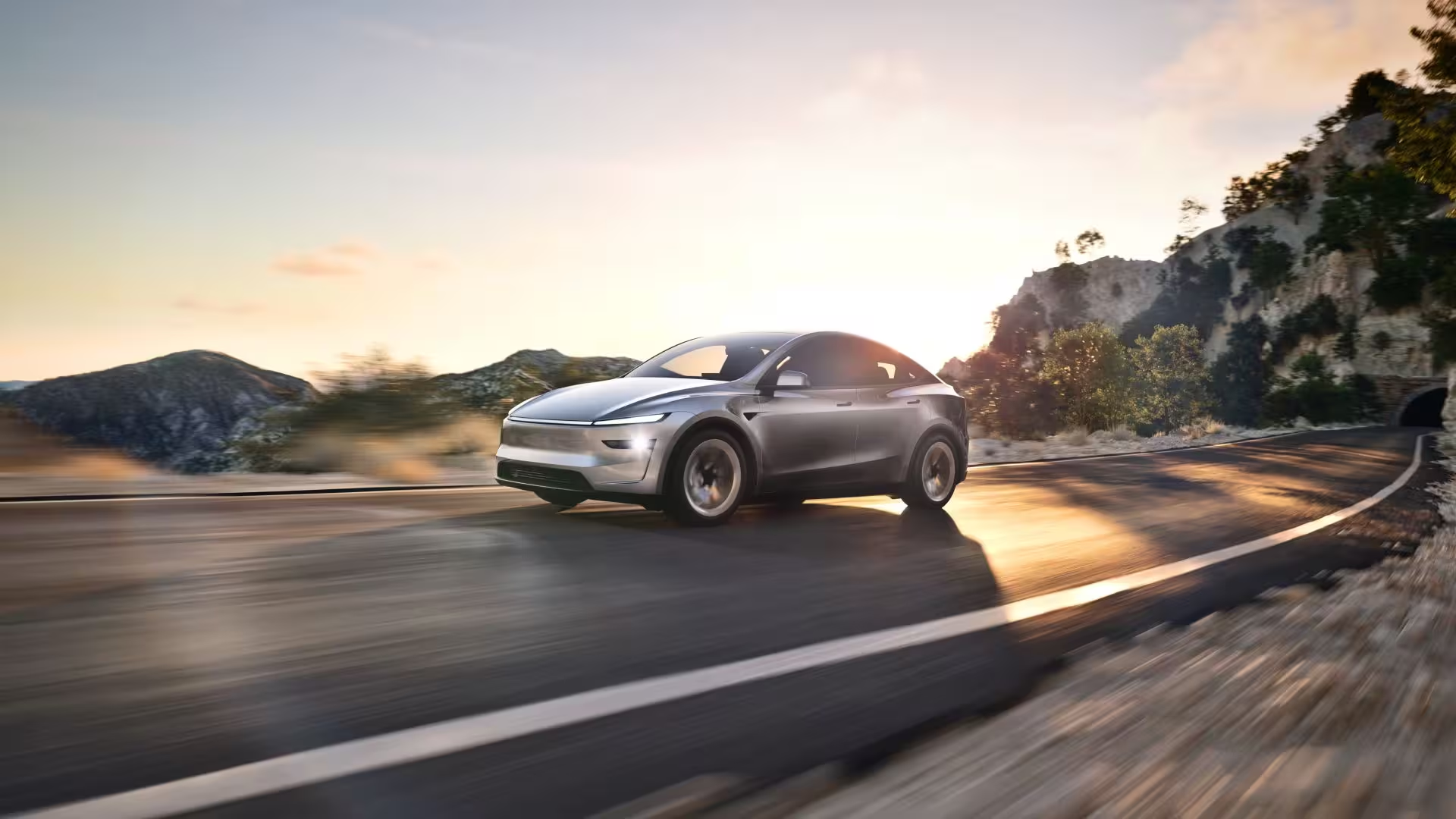
Europe’s higher EV share reflects a different set of market conditions, Reuters noted. European buyers enjoy a broader lineup, including B-segment models aimed at mainstream budgets; more than 150 electric models were on sale in Europe in the first half of 2026, up from roughly 100 two years earlier. Affordability matters: a number of competitive models can be had for under €25,000, and cheaper offerings from Chinese brands have intensified price competition, squeezing legacy manufacturers such as Volkswagen.
Policy, prices and product mix
National tax breaks and noticeably higher fuel costs in many European countries add further incentives to switch away from internal combustion. In the United States, by contrast, weaker fuel-price pressure and the end of federal credits reduce the immediate economic case for many buyers.
Regulation also plays a role. Reuters reported that the US administration has rolled back federal fuel-economy and greenhouse-gas rules, easing regulatory pressure that previously pushed automakers toward electrification. At the same time, tariffs and restrictions on Chinese-built vehicles and their software have made it harder for Chinese marques to enter the US market and broaden the model mix.
Market responses show a partial pivot toward hybrids in the US. Hybrid sales climbed 23 percent through the first three quarters of 2026 and accounted for 15.6 percent of the overall market, offering many buyers a middle ground: improved fuel economy without the need to plan around charging.
Used EVs are also finding demand. Sales of used electric vehicles rose 19 percent through September 2026, with Reuters pointing out that depreciation can make EVs attractive on the second-hand market even as battery health remains a key concern for buyers.
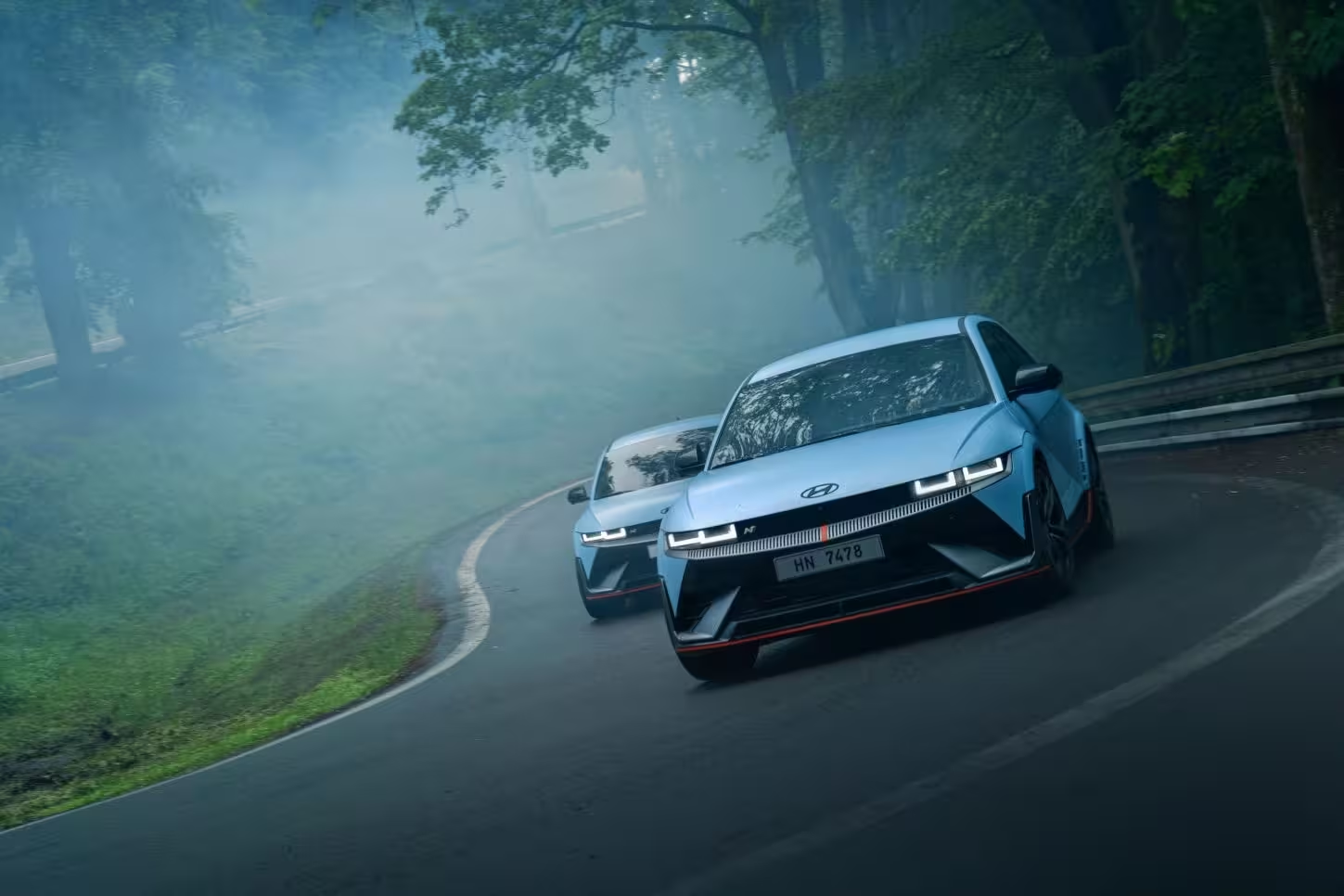
Manufacturers are seeing uneven results in the US market. Tesla’s US sales fell 14 percent in the first three quarters of 2026, while Rivian improved by 29 percent. Traditional brands faced sharper declines: Ford and General Motors recorded 68 percent and 43 percent drops in US sales respectively for January through September 2026.
Used electric vehicle sales rose 19 percent through September 2026, underscoring that price remains the decisive factor for many American buyers.

Leave a Comment
Comments
No comments yet. Be the first.