
Bitcoin's 2026 Slide and a Surprising Indicator
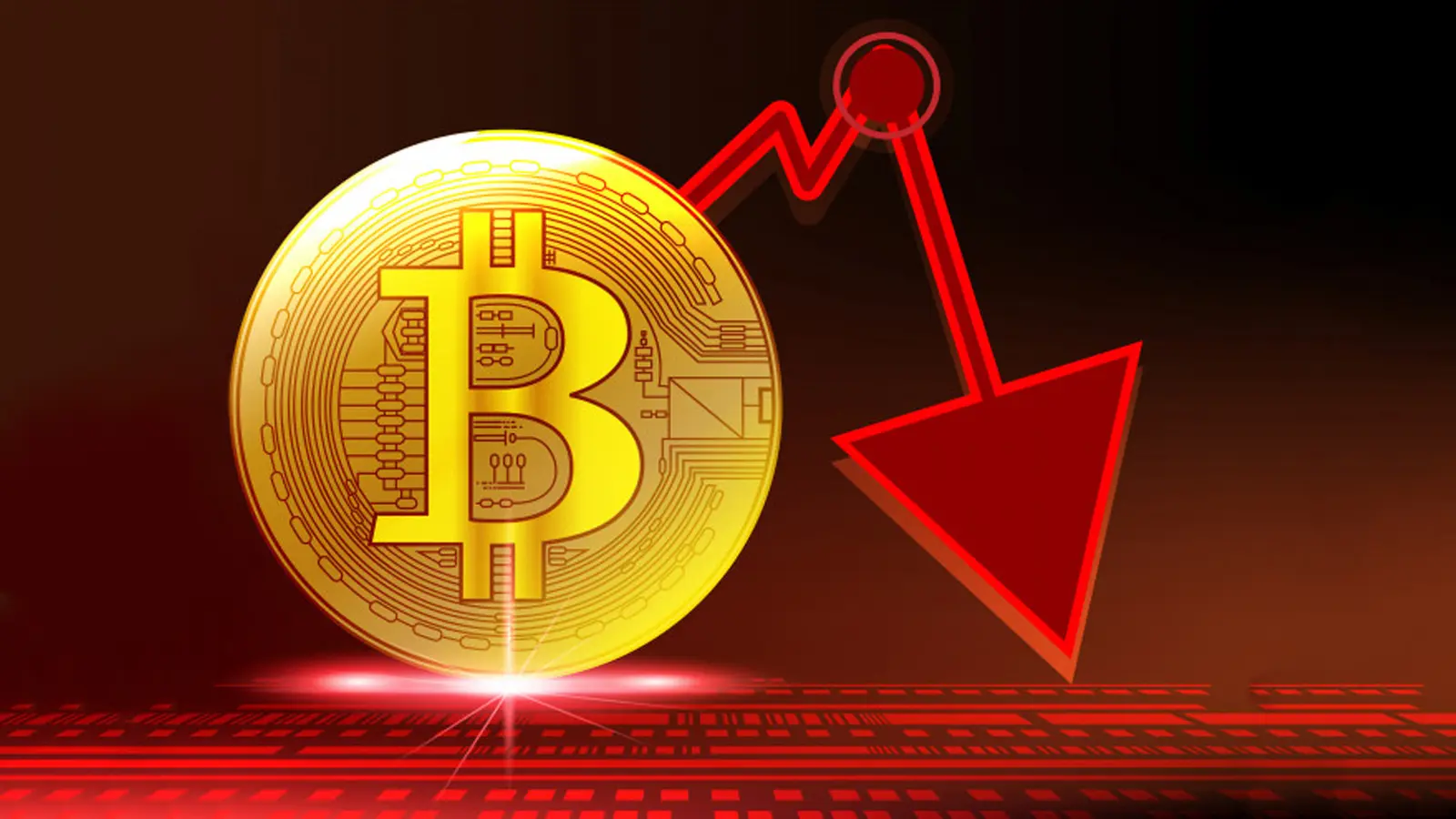
Bitcoin has lost roughly 28% since the start of the year, a drop that looks even worse through the lens of risk-adjusted performance. CryptoQuant data shows the 365-day moving Sharpe Ratio for BTC plunged to -21 in late June — the weakest reading since late 2022 — and has recently hovered near -20. Such a deeply negative Sharpe Ratio means investors who tolerated Bitcoin's high volatility earned far lower returns than a risk-free alternative like the 10-year US Treasury.
What the Sharpe Ratio Signals for Traders and Investors
The Sharpe Ratio, calculated as the excess return over the risk-free rate divided by volatility, is a standard tool professional traders use to size positions and assess whether volatility is being adequately compensated. A reading around negative 20 reflects a full year of poor performance on a risk-adjusted basis.

A Rare, Potentially Bullish Contrarian Indicator
Historically, when Bitcoin's Sharpe Ratio sinks to such extreme negative territory, markets often reach a point of seller exhaustion. These extreme low readings have in the past coincided with local lows and a subsequent market recovery, making the current signal noteworthy for analysts looking for a potential BTC bottom.
How Market Participants Might React
For crypto traders and institutional investors, a deeply negative Sharpe Ratio can be a contrarian alert: it highlights that risk-taking has not been rewarded and may precede a period of consolidation or rebound. That does not guarantee an immediate reversal, but it does mark elevated probability for price stabilization as selling pressure diminishes.
Watchlists should include on-chain metrics, volatility trends, and macro indicators like Treasury yields. Combined with the Sharpe signal, these will help determine if the crypto market is indeed preparing for a sustainable turn in sentiment.

Leave a Comment
Comments
No comments yet. Be the first.