
3 Minutes
Alpine testing confirms bold new look for the 2027 Tucson
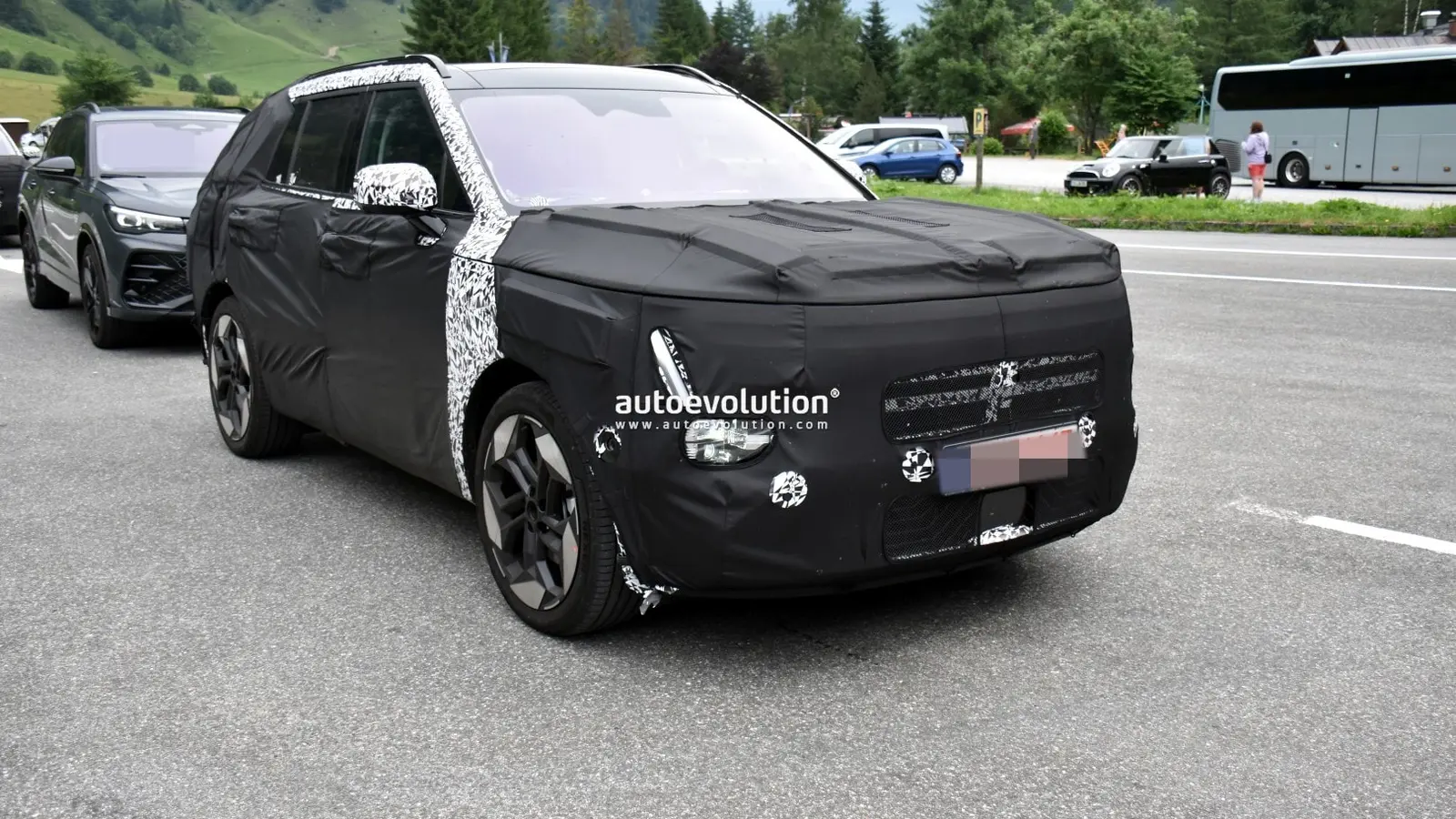
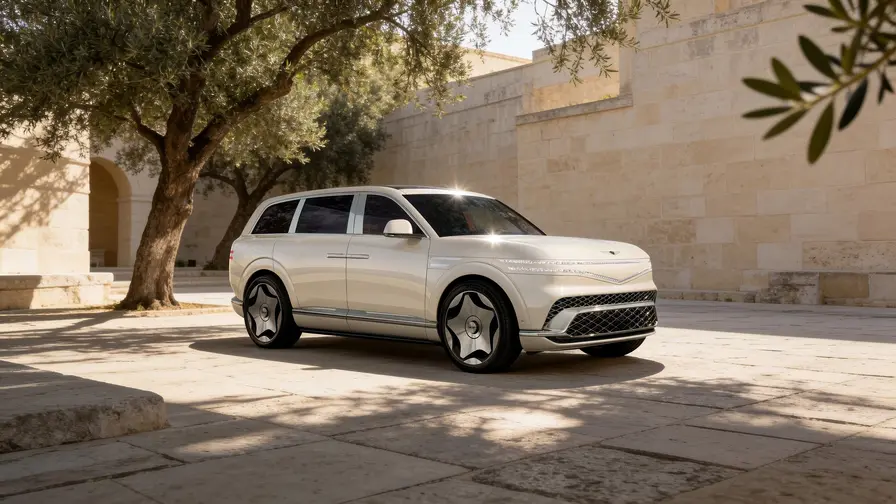
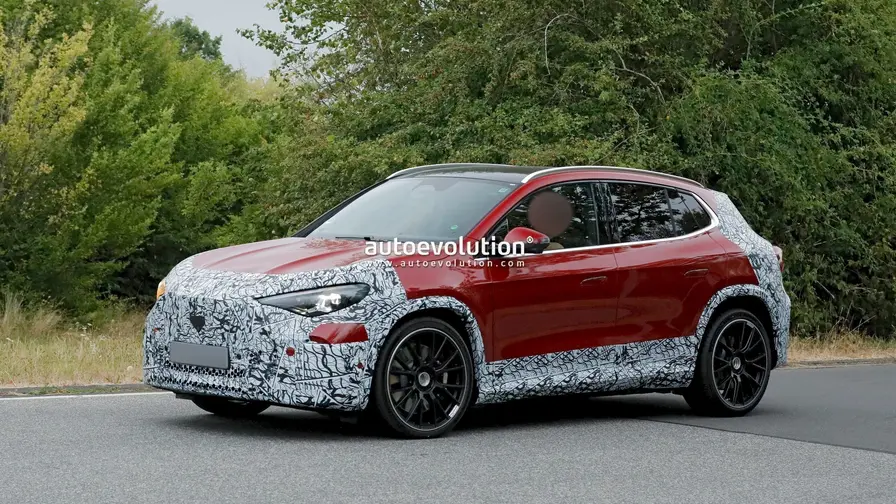
Hyundai's next-generation Tucson was photographed again while completing final calibration runs in the Austrian Alps, and the spy pictures make one thing clear: this compact crossover is moving into a tougher, more premium era. The 2027 Tucson—internally known as NX5—borrows the 'Art of Steel' design language first seen on the Nexo fuel-cell SUV, translating it into a more upright, squared-off silhouette.
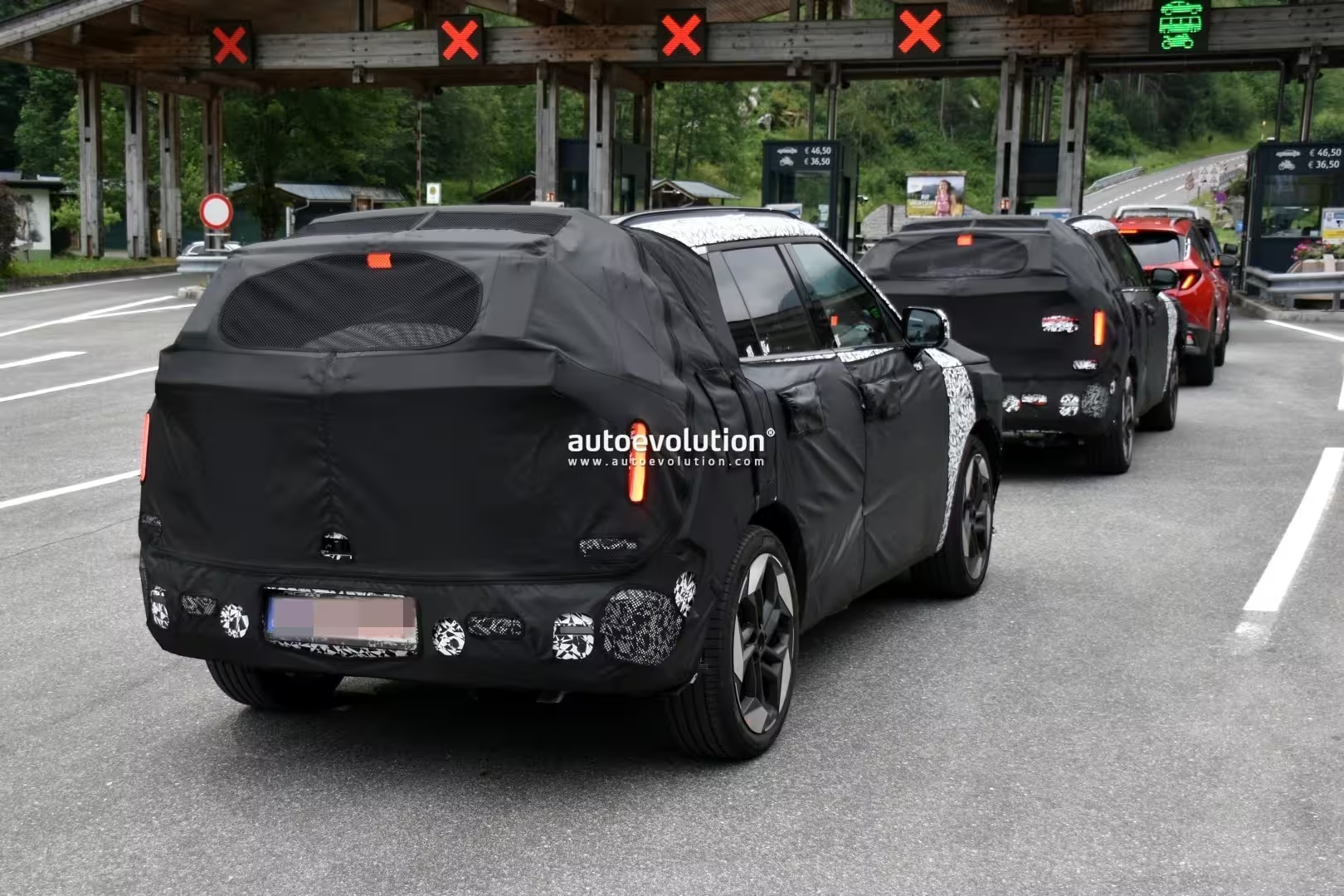
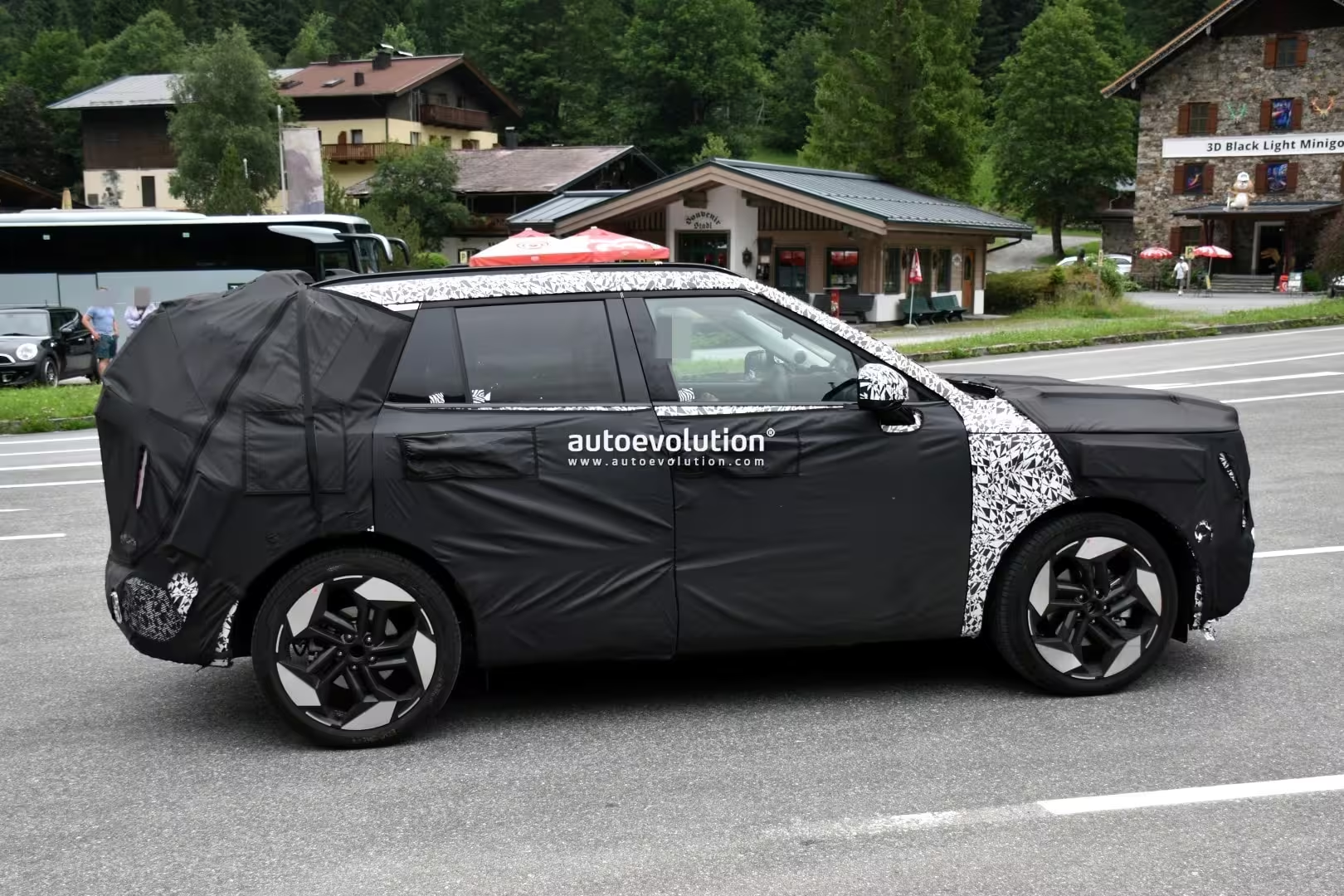
Captured alongside the outgoing model, the prototype highlights a flatter roofline and a taller greenhouse, stronger wheel arches and much cleaner body surfaces. The clamshell hood tightens shut lines, while grab-style door handles replace earlier pop-out designs seen on previous test mules.

Design and lighting: futuristic signatures
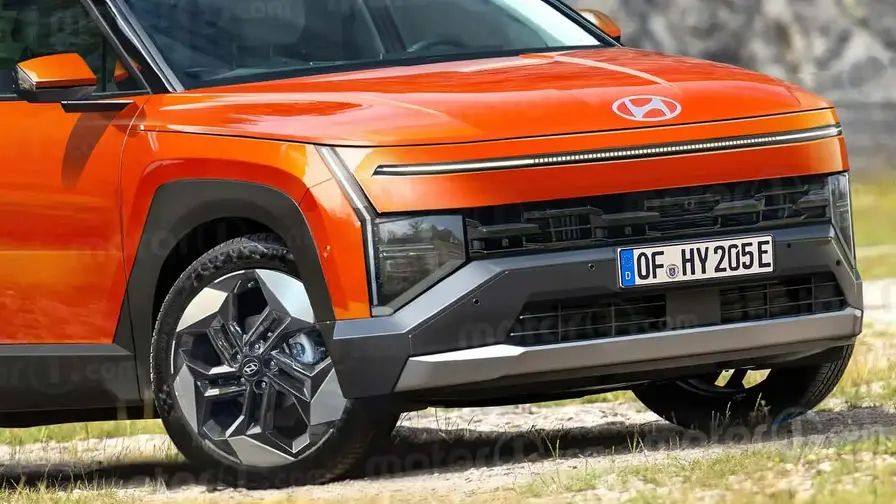
Beneath the camouflage Hyundai photographers have teased a fresh interpretation of the brand's daytime signature lighting—more futuristic than a mere evolution of the current Tucson's lamps. The crossover also shows a full-width rear light bar and geometric motifs that blend ruggedness with premium detailing. Some cues echo the redesigned Elantra, but the Tucson maintains its own, more upright stance.
Interior: a dramatic tech pivot with Pleos Connect
Short interior glimpses suggest Hyundai is making a major technological leap. The cabin centers on a very large infotainment display paired with a digital instrument cluster, reducing the number of traditional physical controls. Still, Hyundai appears set to keep a dedicated row of essential physical buttons for quick, tactile access.

The new software ecosystem, called Pleos Connect, runs on an Android-derived platform designed to feel smartphone-responsive. Key features expected at launch:
- Native app store for downloadable car apps
- Gleo, Hyundai's proprietary generative AI assistant
- Enhanced over-the-air (OTA) update capabilities
These changes position the Tucson as a competitor not just on styling but on in-car technology and connectivity.
Powertrain roadmap and drivetrain tech
Hyundai seems poised to pivot away from turbo-diesel options in many markets, depending on local emissions rules and buyer demand. Instead, gasoline hybrids and plug-in hybrids are likely to become the mainstream offerings, while pure combustion engines will persist in markets such as the United States.
The next-gen hybrid architecture is expected to pair a familiar 1.6-liter turbocharged inline-four with Hyundai's Transmission Mounted Electric Device II (TMED-II). TMED-II integrates a P1 hybrid starter-generator designed to reduce idle vibrations and smooth low-speed transitions between electric and combustion drive. For all-wheel-drive capability, Hyundai may move from a mechanical prop-shaft setup to an e-axle arrangement similar to solutions used by competitors like Toyota, simplifying packaging and improving efficiency.
What this means for buyers and the market
For shoppers, the 2027 Tucson promises a stronger visual identity, advanced connectivity, and a hybrid-first powertrain lineup in many regions. Hyundai's focus on screen-based features and AI reflects a larger trend across the industry: vehicles are becoming rolling software platforms as much as mechanical products.
Highlights at a glance:
- Adopted 'Art of Steel' design language from Nexo
- Squared, more upright profile with pronounced wheel arches
- Clamshell hood and grab-type door handles
- Large infotainment, Pleos Connect OS, Gleo AI assistant
- Hybrid and plug-in hybrid emphasis; possible e-axle AWD
"Each new prototype sighting confirms that a comprehensive redesign is underway," says one industry source familiar with Hyundai's testing. With a planned global debut and a US launch as a 2027 model scheduled for the fall, expect official reveals to focus as much on software and electrified drivetrains as on the refreshed exterior.
While camouflage still hides many details, the direction is unmistakable: the Tucson aims to be brawnier, smarter, and more tech-forward, keeping Hyundai competitive in the hot compact crossover segment.


Leave a Comment
Comments
No comments yet. Be the first.